Probate estate tax obligations often become one of the biggest concerns for executors after someone passes away. While grieving families focus on honoring a loved one’s memory, the executor must step into a legal and financial role that requires careful attention to taxes, deadlines, estate administration, and the requirements of the probate court. Missing a filing requirement or overlooking a tax obligation can delay probate, increase costs, and even expose the executor to personal liability.
Many people mistakenly believe that probate only involves distributing assets according to a will. In reality, probate estate tax obligations are a critical part of the process, and the probate court expects executors to fulfill these responsibilities before an estate can be closed. Before beneficiaries receive inheritances, the executor must determine what taxes apply, file required returns, pay outstanding liabilities, and document every transaction accurately.
Imagine Sarah, who became executor after her father’s death. She assumed her responsibilities would simply involve closing bank accounts and transferring the family home. Within weeks, she discovered unpaid income taxes, investment income generated after death, and questions about federal estate tax filing requirements. She also learned that the probate court required complete financial records before approving the final distribution of assets. Like thousands of executors each year, Sarah quickly realized that probate estate tax obligations are far more complex than most families expect.
Understanding these responsibilities early can make probate smoother, reduce conflicts among beneficiaries, and help avoid costly mistakes. This guide explains the major tax obligations executors commonly face during probate, how those responsibilities align with probate court requirements, how different taxes interact, and what practical steps help ensure full compliance.

Understanding Probate Estate Tax Obligations
Before discussing specific taxes, it helps to understand what probate estate tax obligations actually include.
Probate refers to the court-supervised process of administering a deceased person’s estate. During this period, the executor gathers assets, pays debts, resolves tax issues, and distributes remaining property according to the will or state law.
Probate estate tax obligations generally include:
- Filing the deceased person’s final income tax return
- Paying any outstanding personal tax liabilities
- Reporting estate-generated income
- Filing estate income tax returns when required
- Determining whether federal estate tax applies
- Paying state inheritance or estate taxes where applicable
- Maintaining complete financial records
- Meeting every filing deadline
Every estate is unique. A modest estate may involve only a final income tax return, while a high-value estate containing businesses, rental properties, investment portfolios, or international assets may require multiple tax filings.
Understanding probate estate tax obligations allows executors to prioritize responsibilities correctly instead of discovering unexpected tax issues halfway through probate.
Why Executors Carry Significant Tax Responsibilities
Being named executor is both an honor and a legal responsibility.
Executors serve as fiduciaries. That means they must always act in the best interests of the estate and its beneficiaries while complying with applicable tax laws.
Their responsibilities often include:
Identifying Estate Assets
Executors must locate every asset owned by the deceased, including:
- Real estate
- Bank accounts
- Retirement accounts
- Investment portfolios
- Business interests
- Vehicles
- Personal valuables
- Digital assets
Each asset may have different tax consequences.
Identifying Outstanding Debts
Before beneficiaries receive inheritances, executors must determine whether unpaid taxes exist.
These may include:
- Federal income taxes
- State income taxes
- Property taxes
- Business taxes
- Payroll taxes
- Sales taxes
Ignoring existing tax debts may create legal problems later.
Protecting Estate Property
Executors must preserve estate value while probate continues.
For example, rental properties may continue producing income, investment accounts may earn dividends, and businesses may generate profits.
Each new source of income may create additional probate estate tax obligations.
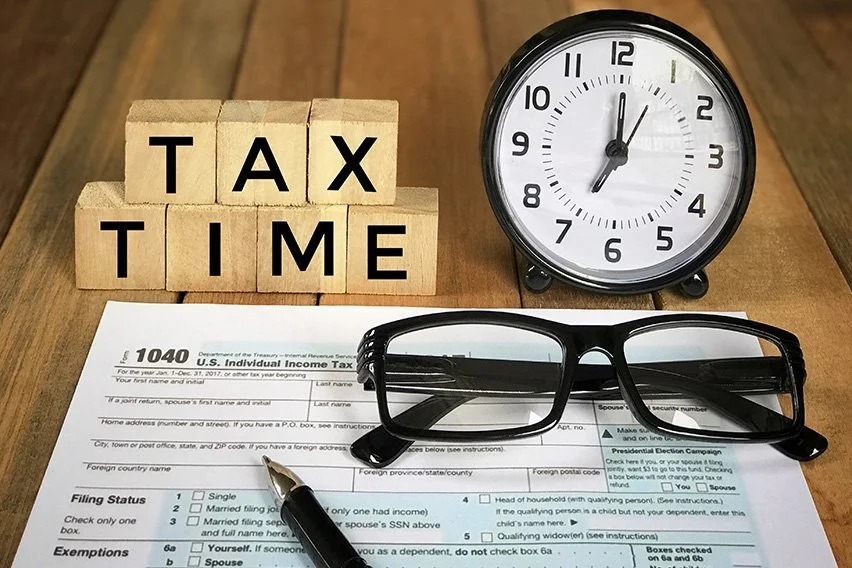
The Final Individual Income Tax Return
One of the first probate estate tax obligations involves filing the deceased person’s final individual income tax return.
This return covers income earned from January 1 through the date of death.
Income commonly reported includes:
- Employment wages
- Retirement distributions
- Pension income
- Social Security benefits
- Interest income
- Dividends
- Capital gains
- Business income
The executor signs and files this return on behalf of the deceased.
If taxes remain due, they must generally be paid using estate funds before distributions occur.
If a refund exists, it becomes an estate asset.
Estate Income Tax Returns
Many executors are surprised to learn that estates can become separate taxable entities.
After death, assets often continue generating income.
Examples include:
- Rental property income
- Stock dividends
- Interest from savings
- Capital gains from asset sales
- Farm income
- Business profits
Because this income belongs to the estate—not the deceased—it may require filing an estate income tax return.
This represents one of the most misunderstood probate estate tax obligations.
Executors should carefully track:
- Income received after death
- Expenses paid by the estate
- Administrative costs
- Professional fees
- Investment gains
- Property maintenance expenses
:max_bytes(150000):strip_icc()/HowMuchtoBudgetforHomeMaintenance-v12-4a4f40c83c6a4adc80d5029b2d85ea93.png)
Accurate records simplify tax preparation and reduce audit risks.
Federal Estate Tax Considerations
Not every estate owes federal estate tax.
In fact, most estates fall below the federal exemption threshold.
However, executors should never assume the tax does not apply.
Federal estate tax calculations generally consider:
- Real estate
- Investment accounts
- Retirement assets
- Closely held businesses
- Life insurance in certain circumstances
- Valuable collectibles
- Cash
- Personal property
Large estates may require detailed appraisals before determining tax liability.
Even when no federal estate tax is owed, filing requirements sometimes still exist depending on estate planning strategies or portability elections between spouses.
Professional tax guidance often becomes valuable in these situations.
State Estate Taxes and Inheritance Taxes
Federal law is only part of the picture.
Some states impose:
Estate Taxes
Estate taxes are paid by the estate before beneficiaries receive distributions.
Inheritance Taxes
Inheritance taxes apply differently.
Instead of taxing the estate itself, certain beneficiaries may owe taxes on inherited property depending on their relationship to the deceased.
Although many states impose neither tax, executors handling property located in multiple jurisdictions should carefully investigate applicable laws.
Ignoring state probate estate tax obligations can delay estate closing.
Tax Identification Numbers During Probate
Once an individual dies, the estate usually requires its own taxpayer identification number.
This number differs from the deceased person’s Social Security number.
Executors use it for:
- Opening estate bank accounts
- Filing estate tax returns
- Reporting investment income
- Managing estate finances
Keeping estate funds separate from personal funds demonstrates proper fiduciary management.
Mixing accounts creates unnecessary complications and increases legal risk.
Property Sales During Probate
Selling estate property often creates additional tax issues.
Consider an executor who sells a family home.
Several tax questions immediately arise:
- What was the property’s value at death?
- Did the property appreciate before sale?
- Are capital gains owed?
- Can selling expenses reduce taxable gains?
Proper valuation becomes extremely important.
Executors usually rely on professional appraisals completed shortly after death to establish accurate tax reporting.
Business Ownership and Probate Estate Tax Obligations
Business ownership significantly increases probate complexity.
Executors managing businesses may encounter:
- Business income tax returns
- Payroll tax filings
- Sales tax reporting
- Partnership tax obligations
- Corporate tax filings
In addition, businesses often continue operating during probate.
This ongoing activity generates additional financial records requiring careful documentation.
Failing to address business-related probate estate tax obligations may reduce estate value or create penalties.
Retirement Accounts and Tax Issues
Retirement accounts deserve careful attention because they follow unique tax rules.
Examples include:
- Traditional IRAs
- 401(k) plans
- 403(b) plans
- SEP IRAs
- SIMPLE IRAs
Although these assets frequently avoid probate through beneficiary designations, distributions may still trigger income tax consequences for beneficiaries.
Executors should understand how these assets interact with overall estate administration before making assumptions about tax treatment.
Real Estate Taxes During Probate
Real estate often represents the largest estate asset.
Executors should monitor:
- Property taxes
- Rental income
- Insurance
- Maintenance costs
- Mortgage payments
Property taxes generally continue during probate.
Failure to pay them may result in penalties or liens against estate property.
When multiple properties exist, accurate bookkeeping becomes even more important.
Investment Portfolios and Tax Reporting
Investment accounts rarely remain static during probate.
Executors may receive:
- Dividend payments
- Bond interest
- Mutual fund distributions
- Capital gains distributions
Some investments may require liquidation before distribution.
Each transaction carries possible tax consequences.
Detailed brokerage statements help simplify reporting and support accurate tax filings.
Recordkeeping: The Foundation of Every Executor’s Success
One of the easiest ways to manage probate estate tax obligations is maintaining organized records.
Executors should document:
- Every deposit
- Every withdrawal
- Asset valuations
- Tax payments
- Creditor payments
- Legal fees
- Accounting fees
- Court costs
Strong documentation benefits everyone involved.
Beneficiaries receive transparency, accountants prepare returns more efficiently, and executors reduce personal liability.

Common Mistakes Executors Make
Even experienced executors occasionally overlook important responsibilities.
Some of the most common mistakes include:
Paying Beneficiaries Too Early
Executors sometimes distribute assets before confirming all taxes have been paid.
If unexpected tax liabilities appear later, recovering distributed funds may become difficult.
Missing Filing Deadlines
Late tax returns often trigger penalties and interest.
A detailed calendar helps prevent missed deadlines.
Ignoring Estate Income
Many executors mistakenly believe income earned after death belongs directly to beneficiaries.
In reality, estate income frequently requires separate reporting.
Poor Documentation
Incomplete records create unnecessary disputes with tax authorities and beneficiaries.
Organized files simplify every stage of probate.
Working With Tax Professionals
Executors are not expected to master every aspect of tax law.
Large or complicated estates often require assistance from:
- Certified Public Accountants (CPAs)
- Estate planning attorneys
- Probate attorneys
- Financial advisors
- Business valuation specialists
- Property appraisers
Professional guidance frequently saves both time and money while ensuring probate estate tax obligations are satisfied correctly.
Real-Life Example
Consider Michael, who inherited responsibility for his aunt’s estate.
Her assets included:
- Two rental homes
- Investment accounts
- A small consulting business
- Multiple certificates of deposit
Initially, Michael believed probate would last only a few months.
However, rental income continued arriving, investments generated dividends, and the consulting business completed several outstanding contracts after her death.
Each source created additional taxable income.
Fortunately, Michael maintained organized records and hired an experienced CPA.
The accountant prepared the estate income tax returns, identified deductible administrative expenses, and ensured every probate estate tax obligation was satisfied before the final distribution.
Because of careful planning, beneficiaries received their inheritances without disputes or unexpected tax surprises.
Best Practices for Managing Probate Estate Tax Obligations
Executors can reduce stress by following several practical strategies.
Begin by collecting every financial document immediately after appointment.
Next, create a master inventory of estate assets and liabilities.
Open a separate estate bank account using the estate’s taxpayer identification number.
Track every financial transaction carefully from day one.
Consult qualified professionals whenever uncertain about tax reporting.
Review filing deadlines regularly throughout probate.
Communicate openly with beneficiaries regarding tax-related delays.
Finally, avoid making final distributions until all known probate estate tax obligations have been fully satisfied.
These simple habits dramatically improve estate administration.
How Proper Tax Compliance Benefits Beneficiaries
Executors sometimes focus only on legal compliance.
However, properly handling probate estate tax obligations benefits beneficiaries as well.
Accurate tax administration helps:
- Prevent future audits
- Protect inherited assets
- Reduce family conflicts
- Speed court approval
- Preserve estate value
- Improve financial transparency
Families often experience enough emotional stress after losing a loved one.
Careful tax management eliminates unnecessary financial uncertainty during an already difficult period.
Conclusion
Probate estate tax obligations represent one of the most important responsibilities an executor faces throughout the probate process. While the probate process involves gathering assets and distributing inheritances, taxes often determine how smoothly the entire administration proceeds. Executors must identify applicable taxes, prepare accurate filings, maintain detailed records, pay outstanding liabilities, and comply with federal and state requirements before closing the estate.
Although many estates involve only straightforward tax filings, others require careful coordination between attorneys, accountants, financial institutions, and courts. Understanding probate estate tax obligations early in the probate process helps executors avoid costly errors, protect beneficiaries, and fulfill their fiduciary duties with confidence. By staying organized, seeking professional guidance when necessary, and approaching each tax responsibility methodically, executors can successfully navigate the probate process while preserving the estate’s value and honoring the wishes of the person they serve.