Probate temporary restraining orders often enter the picture at the exact moment a family dispute begins to spiral, and probate temporary restraining orders can quickly shift a probate case from routine administration into urgent litigation. Most people think of probate as paperwork—filing a will, distributing assets, closing an estate. But when disagreements arise, especially over money, property, or control, courts may need to step in immediately.
Imagine this scenario. A parent passes away, leaving behind a sizeable estate. One child is named executor. Another child suspects that assets are being transferred out of estate accounts too quickly. Bank withdrawals appear. Property is listed for sale without explanation. Tensions rise. Within days, attorneys file emergency motions asking the court to stop everything.
That is when probate temporary restraining orders come into play.
Understanding Probate Temporary Restraining Orders
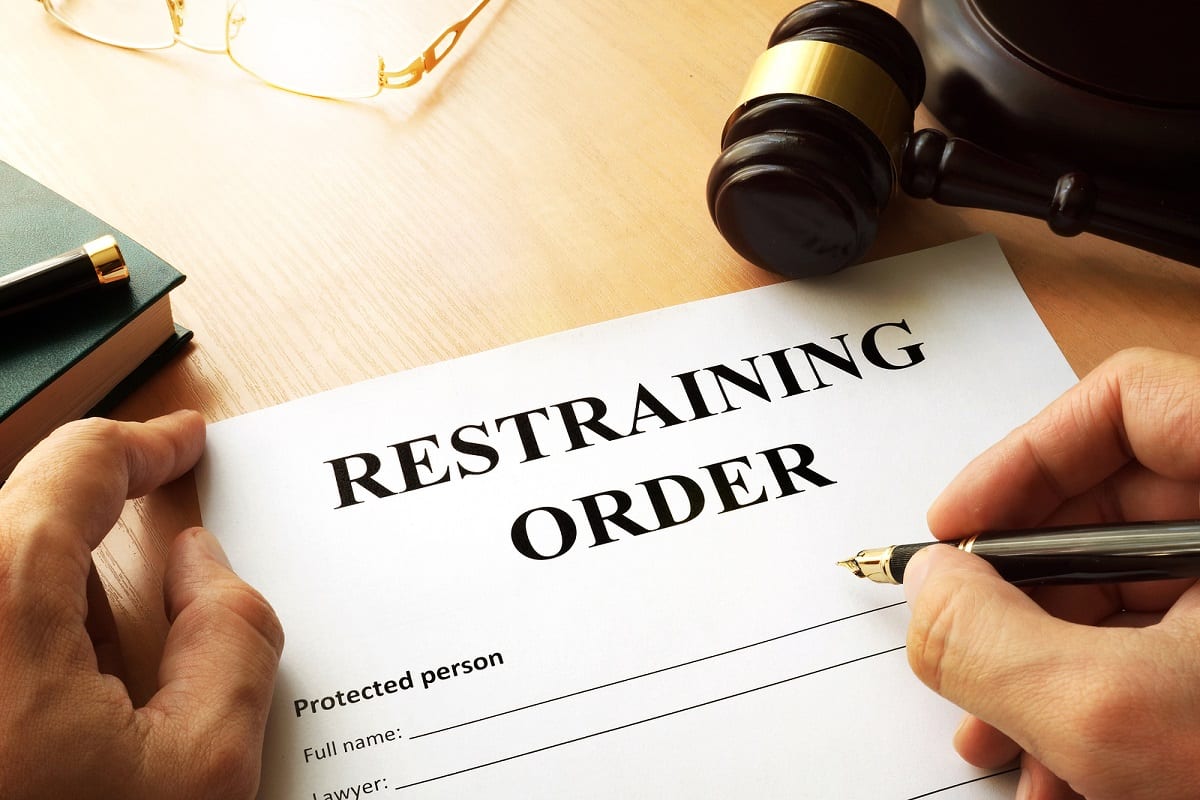
At its core, a temporary restraining order—often called a TRO—is a short-term court order designed to preserve the status quo. In probate cases, probate temporary restraining orders are used to prevent immediate harm to an estate while the court reviews the situation more fully.
These orders are not permanent solutions. Instead, they act as emergency measures.
Courts issue probate temporary restraining orders to:
- Stop asset transfers
- Prevent property sales
- Block unauthorized withdrawals
- Restrict certain individuals from acting on behalf of the estate
The goal is simple: freeze the situation long enough for the court to evaluate what is happening.
Why Probate Disputes Escalate Quickly
Probate disputes often involve emotionally charged circumstances. Family members are grieving. At the same time, financial stakes can be high.
In many cases, disagreements center on:
- Control of estate assets
- Interpretation of the will
- Allegations of mismanagement
- Concerns about undue influence
When trust breaks down, parties may fear that assets will disappear or be misused.
Probate temporary restraining orders provide a legal mechanism to address those fears immediately.
When Courts Issue Probate Temporary Restraining Orders
Courts do not issue probate temporary restraining orders automatically. The requesting party must demonstrate urgency.
Typically, a judge will consider:
- Whether there is a risk of immediate harm
- Whether assets may be lost or transferred
- Whether the request is supported by evidence
For example, if an executor is actively selling property without notifying beneficiaries, a court may view that as a situation requiring immediate intervention.
Timing is critical. These orders are often requested on an emergency basis.
Real-Life Scenario: Freezing an Estate Account
Consider a hypothetical case.
An executor begins transferring funds from an estate account to a personal account. A beneficiary notices irregularities and contacts an attorney.
The attorney files for probate temporary restraining orders, asking the court to freeze the account.
The court reviews the request and issues a TRO preventing further transfers.
This action does not resolve the dispute, but it stops the immediate risk.
The Legal Standard for Issuing a TRO
To obtain probate temporary restraining orders, the requesting party must meet specific legal standards.
Generally, they must show:
- A likelihood of success on the merits
- A risk of irreparable harm without the order
- That the balance of equities favors the request
“Irreparable harm” is a key concept. It refers to harm that cannot be easily undone.
For example, once property is sold or funds are spent, recovering them may be difficult.
This is why courts take these requests seriously.
The Temporary Nature of TROs
Probate temporary restraining orders are not meant to last indefinitely.
Typically, they remain in effect for a short period—often days or weeks—until a hearing can be scheduled.
At that hearing, the court decides whether to:
- Extend the order
- Replace it with a temporary injunction
- Dissolve the order
This structure ensures that emergency actions are followed by a more thorough review.

Ex Parte Orders: Acting Without Notice
In some situations, courts issue probate temporary restraining orders without notifying the other party in advance. These are known as ex parte orders.
This approach is used when:
- Providing notice could worsen the situation
- Assets might be moved or hidden quickly
For example, if there is evidence that an executor plans to transfer funds immediately, notifying them beforehand could allow the transfer to occur before the court intervenes.
Ex parte orders are powerful but limited. Courts require prompt follow-up hearings to ensure fairness.
The Role of Evidence in TRO Requests
Evidence plays a central role in obtaining probate temporary restraining orders.
Common types of evidence include:
- Bank records
- Emails or communications
- Witness statements
- Financial documents
The stronger the evidence, the more likely the court is to grant the request.
Unsupported claims are rarely sufficient.
Impact on Executors and Administrators
For executors, probate temporary restraining orders can significantly affect their authority.
An order may:
- Limit their ability to manage assets
- Require court approval for certain actions
- Subject their decisions to closer scrutiny
While this can feel restrictive, it does not necessarily imply wrongdoing. It simply reflects the court’s effort to protect the estate during a dispute.
Impact on Beneficiaries
Beneficiaries may seek probate temporary restraining orders to protect their interests.
These orders can:
- Prevent unfair distributions
- Ensure transparency
- Preserve estate value
However, beneficiaries must also consider the broader implications. TROs can increase legal costs and prolong disputes.
Transition from TRO to Temporary Injunction
After a TRO is issued, the case often moves toward a temporary injunction hearing.
A temporary injunction lasts longer and requires a more detailed analysis.
In probate temporary restraining orders cases, this transition is critical.
The court evaluates:
- Evidence presented by both sides
- Credibility of witnesses
- Legal arguments
The outcome determines whether restrictions remain in place during the case.
Costs and Strategic Considerations
Seeking probate temporary restraining orders involves legal costs.
These may include:
- Attorney fees
- Filing fees
- Court appearances
From a strategic perspective, parties must weigh:
- The urgency of the situation
- The strength of their evidence
- The potential impact on the case
TROs are powerful tools, but they should be used thoughtfully.
Emotional Dynamics in Probate TRO Cases
Probate disputes are rarely just about money.
They often involve:
- Family relationships
- Long-standing conflicts
- Emotional stress
Probate temporary restraining orders can intensify these dynamics.
While they protect assets, they may also deepen divisions.

Real-World Illustration: Property Sale Dispute
Imagine siblings disputing the sale of a family home.
One sibling, acting as executor, lists the property for sale without consulting others.
The other siblings file for probate temporary restraining orders to stop the sale.
The court issues an order preventing the transaction until the dispute is resolved.
This example highlights how TROs can preserve key assets.
Risks of Misusing TROs
While probate temporary restraining orders serve an important purpose, they can be misused.
Filing for a TRO without sufficient evidence may:
- Damage credibility
- Increase legal costs
- Prolong disputes
Courts may also impose consequences for frivolous requests.
Analytical Perspective: Preserving the Status Quo
From an analytical standpoint, probate temporary restraining orders are about preserving the status quo.
They do not decide the case. They simply prevent irreversible actions.
This distinction is critical.
The order is a pause, not a conclusion.
Long-Term Effects on Probate Cases
The use of probate temporary restraining orders can shape the trajectory of a case.
They may:
- Encourage settlement
- Clarify key issues
- Highlight weaknesses in arguments
In some cases, the evidence presented during TRO proceedings influences later decisions.
Preparing for a TRO Hearing
Preparation is essential.
Attorneys typically:
- Gather documents
- Prepare witness statements
- Develop legal arguments

For individuals involved, understanding the process helps reduce uncertainty.
The Balance Between Speed and Fairness
Probate temporary restraining orders operate at the intersection of urgency and fairness.
They are designed to act quickly, but not at the expense of due process or careful legal review.
Courts must act quickly to prevent harm, but they must also ensure that all parties have an opportunity to be heard.
This dual responsibility requires judges to weigh immediate risks against long-term fairness in the case.
This balance defines the TRO process.
It ensures that emergency action does not become permanent without proper evaluation and legal scrutiny.
Conclusion
Probate temporary restraining orders play a crucial role in resolving urgent disputes during estate administration. They provide a mechanism for courts to intervene quickly, protect assets, and maintain stability while legal issues are addressed.
Without these tools, estates could suffer irreversible losses before disputes are even fully examined.
They act as a safeguard during some of the most uncertain moments in probate litigation.
Although they are temporary, their impact can be significant. They shape the direction of disputes, influence strategies, and help ensure that estates are handled fairly.
In many cases, the outcome of early TRO hearings can influence settlement discussions or future court rulings.
Their strategic importance often extends well beyond their short duration.
Understanding how probate temporary restraining orders work allows individuals to navigate these situations more effectively, whether they are seeking protection or responding to a legal challenge.
Being informed about this process can reduce confusion and help individuals make timely, well-informed decisions.
Ultimately, knowledge of these legal tools provides a clearer path through complex and emotionally charged probate disputes.