Probate public notice requirements are one of those legal steps that seem small at first glance but carry enormous weight behind the scenes, and probate public notice requirements often determine whether an estate process moves forward smoothly or becomes tangled in delays and disputes. Most people think probate is about dividing property and closing accounts. However, before any of that truly settles, the law insists on something else: transparency. As a result, this added layer ensures that no part of the process happens in isolation. At the same time, it reinforces trust in how estates are handled under the law.
Now picture a family in Dallas beginning probate after a parent passes away. Initially, they gather documents, meet with an attorney, and start organizing assets. Everything feels procedural—almost administrative. Then, unexpectedly, they hear: “We need to publish a notice.” Suddenly, a private family matter becomes public. Naturally, this shift can feel uncomfortable at first. In fact, it introduces a level of exposure that many families do not anticipate.
At that point, the moment feels strange. It interrupts the sense of privacy that families expect during probate. More importantly, it raises questions about why such a step is necessary.
However, it exists for a reason. Specifically, the requirement ties directly to fairness and legal accountability. Therefore, it ensures that the process remains open and verifiable.
Ultimately, understanding probate public notice requirements helps explain why this step is not optional—and why it protects everyone involved, even when it feels unnecessary. In addition, this awareness helps families approach the process with greater acceptance. Over time, it also reduces confusion about why certain steps must be followed.
What Probate Public Notice Requirements Actually Are
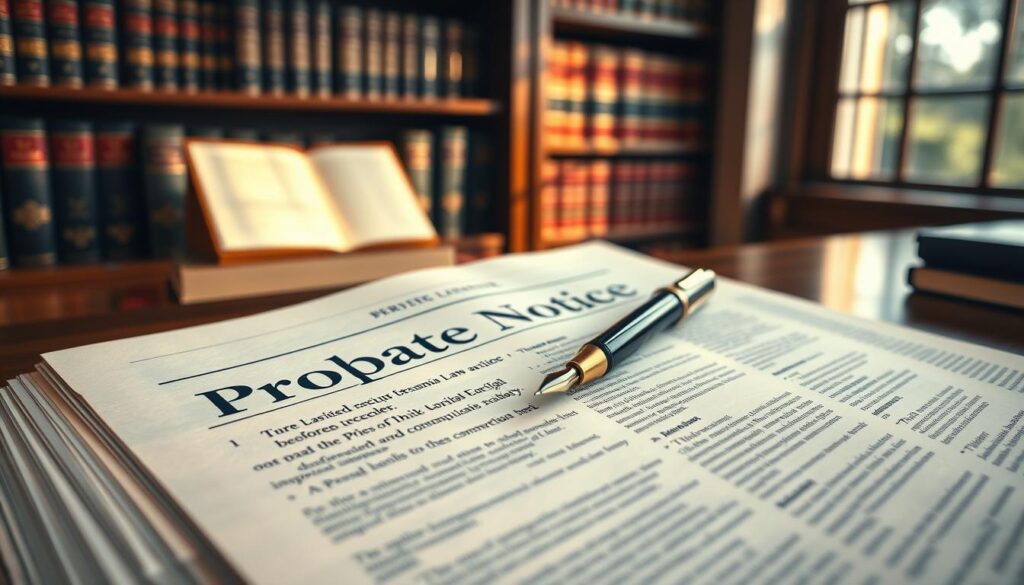
At its core, probate public notice requirements refer to the legal obligation to inform the public that an estate is being administered through the court system. This is not just a courtesy—it is a formal part of the probate process. It ensures that the administration of an estate is visible beyond the immediate parties. This visibility is essential for maintaining fairness.
Typically, the notice includes:
- The name of the deceased
- The court handling the estate
- The executor or administrator’s information
- Instructions for creditors or interested parties
Each of these elements provides key details about the estate. Together, they create a clear and accessible summary of the process.
This notice is then published in a legally approved format, often in a local newspaper. The format must meet specific legal standards. This ensures that the notice is both recognizable and enforceable.
From an analytical perspective, probate public notice requirements function as a broadcast system. They ensure that anyone with a potential interest in the estate has an opportunity to respond. This broad communication helps prevent overlooked claims. It also supports a more complete and accurate resolution of the estate.
Why Transparency Is Built Into Probate
Probate is not just about heirs—it is about obligations.
An estate may involve:
- Debts
- Taxes
- Claims from unknown parties
Without public notice, those claims might never surface.
That creates risk.
Probate public notice requirements ensure:
- Creditors can come forward
- Unknown heirs have a chance to assert rights
- Disputes arise early rather than later
This structure prevents surprises after assets are distributed.
Real-Life Scenario: A Hidden Creditor Appears
Imagine a case in Houston.
An executor begins distributing assets quickly, assuming all debts are known. Months later, a creditor emerges claiming unpaid obligations. They argue they were never notified.
The court asks one question:
Were probate public notice requirements followed?
If the answer is no, the estate may reopen.
Now:
- Distributions are delayed
- Legal costs increase
- The executor faces scrutiny
What seemed like a minor step becomes a major issue.
Who Probate Notices Are Meant to Reach
Probate notices are not targeted at one person.
They are designed for broad visibility.
Probate public notice requirements aim to reach:
- Creditors
- Unknown heirs
- Anyone with a legal interest
This broad approach ensures fairness.
Even individuals unknown to the family have an opportunity to respond.
Types of Notices in Probate Cases
Different situations require different notices.
Common types include:
- Notice to creditors
- Notice of application for probate
- Notice to unknown heirs

Each serves a distinct function.
In probate public notice requirements cases, the type of notice depends on the specific stage of the probate case.
Where and How Notices Are Published
Traditionally, notices appear in newspapers.
This may seem outdated, but it serves a purpose.
In probate public notice requirements situations, publication:
- Creates a permanent public record
- Reaches a broad audience
- Meets statutory requirements
Some jurisdictions are exploring digital options, but traditional publication remains standard.
Real-Life Style Example: Publication Done Right
Consider an estate in Austin.
The executor works with a local newspaper to publish the required notice. It runs for the specified duration. The publication provides an affidavit confirming completion.
Later, a creditor files a claim within the allowed time.
The process works exactly as intended.
Because probate public notice requirements were followed correctly, there are no disputes about notification.
Timing and Deadlines Matter
Publishing a notice is not just about doing it—it is about doing it on time.
Deadlines exist for:
- Initial publication
- Duration of notice
- Filing proof with the court
In probate public notice requirements cases, missing deadlines can:
- Delay the estate
- Create compliance issues
- Trigger legal challenges
Timing shapes the entire process.
Proof of Publication: The Missing Link
After publication, proof must be filed.
This typically includes:
- An affidavit from the publisher
- Dates of publication
- Confirmation of compliance
Without proof, the court may treat the notice as incomplete.
Probate public notice requirements do not end with publication—they end with verification.
The Executor’s Responsibility
The executor carries the responsibility for compliance.
They must:
- Arrange for publication
- Ensure accuracy
- File proof with the court
While attorneys often assist, accountability remains with the executor.
In probate public notice requirements cases, failure to comply can reflect directly on the executor’s performance.
Consequences of Ignoring Notice Requirements
Ignoring probate public notice requirements is not a minor oversight.
It can lead to:
- Delays in closing the estate
- Reopening of proceedings
- Legal disputes
- Potential liability for the executor
This step protects the process.
Skipping it creates risk.
Analytical Perspective: Why the System Exists
From an analytical standpoint, probate public notice requirements serve three core purposes:
- Transparency
- Fairness
- Accountability
By making the process visible, the system ensures:
- No claims are hidden
- No parties are excluded
- No decisions occur without opportunity for response
It is a safeguard against incomplete administration.
Emotional Reality: Why Families Resist This Step
For families, publication can feel uncomfortable.
They may think:
- “This is private”
- “Why should strangers know?”
That reaction is natural.
However, probate public notice requirements are not about privacy—they are about process integrity.
Understanding this distinction helps families accept the step.
Common Misunderstandings About Probate Notices
Several misconceptions exist.
Some believe:
- Notices are optional
- Only known creditors need to be informed
- Publication is outdated
In reality:
- Notices are required
- Unknown parties must be given a chance
- Publication still meets legal standards

Clarifying these points prevents mistakes.
The Role of Attorneys in Managing Notice
Attorneys guide executors through notice requirements.
They help:
- Identify the correct type of notice
- Ensure proper wording
- Coordinate publication
- File proof with the court
In probate public notice requirements cases, legal guidance reduces errors and delays.
Real-Life Scenario: When Notice Goes Wrong
Consider a case in Fort Worth.
An executor publishes a notice but uses incorrect wording. The notice fails to meet legal standards.
The court requires republication.
This leads to:
- Additional cost
- Delayed timelines
- Frustration for all parties
This example shows how details matter.
How Proper Notice Supports Estate Closure
When probate public notice requirements are followed correctly:
- Creditors file claims within deadlines
- Disputes surface early
- The estate proceeds efficiently
Each of these outcomes contributes to a more organized process. Together, they help prevent unexpected issues later on.
This creates a smoother path to closure. It allows the estate to move forward without unnecessary delays. In many cases, it also reduces stress for everyone involved.
The notice step, though simple, supports the entire structure. It acts as a foundation for the probate process. Without it, key elements of fairness and accountability could be compromised.
Long-Term Impact of Compliance
Proper notice affects more than the current case.
It influences:
- Legal clarity
- Protection of the executor
- Confidence in the process
In probate public notice requirements situations, compliance prevents future complications.
Why This Step Is Bigger Than It Looks
At first glance, publishing a notice seems procedural.
In reality, it is foundational.
It connects:
- Legal obligations
- Public awareness
- Court authority
Without it, the process lacks transparency.
Conclusion
Probate public notice requirements are more than a technical requirement—they are a safeguard built into the probate system to ensure fairness, transparency, and accountability. While the idea of publishing a notice may feel outdated or unnecessary, it plays a critical role in protecting all parties involved. This safeguard ensures that no claim is overlooked and no interested party is excluded. It also reinforces trust in the legal process by making it open and verifiable.
By understanding why probate notices must be published and how to handle them correctly, executors and families can avoid delays, reduce disputes, and move through probate with greater confidence and clarity. This knowledge allows them to anticipate potential issues before they arise. In many cases, it also leads to smoother administration and fewer unexpected complications.