Probate injunctions play a crucial role in safeguarding estate property during disputes, and probate injunctions often become the fastest way to stop actions that could permanently damage an estate. When probate begins, most people expect an orderly process—documents filed, assets identified, and distributions made. However, when conflict arises, that order can disappear quickly. In those moments, courts rely on injunctions to pause the situation before harm becomes irreversible. This legal tool creates breathing room for the court to evaluate the facts. It also prevents decisions from being made too quickly under pressure.
Picture a family in Houston dealing with an estate that includes valuable real estate and financial accounts. One beneficiary believes another is attempting to sell property without approval. Tension escalates. Time becomes critical. Without intervention, the asset could be gone before the probate court has a chance to review the issue. This is where probate injunctions step in. They provide immediate control over a situation that is moving too fast. They also shift the focus from reaction to structured resolution.
That moment changes everything. Instead of scrambling to fix a problem after the fact, the parties can pause and address it properly. The legal process regains control.
Understanding how probate injunctions work helps explain why they are so important in protecting estate assets. This knowledge also shows why timing matters. Acting early can prevent damage that cannot be undone later.

What Probate Injunctions Actually Are
Probate injunctions are court orders that require someone to stop doing something—or, in some cases, to take a specific action—while a probate dispute is being resolved. They are not final decisions. Instead, they are temporary measures designed to maintain the status quo. This makes them especially useful in fast-moving situations. They also ensure that the court’s authority is preserved during the process.
In probate injunctions cases, courts may order:
- A halt to asset transfers
- A pause on property sales
- Restrictions on financial account access
- Temporary control over disputed assets
Each of these actions serves a protective purpose. Together, they prevent further complications while the court reviews the case.
These orders are legally binding. Ignoring them can lead to serious consequences. This enforcement power ensures that all parties respect the court’s authority.
From an analytical perspective, probate injunctions act as a stabilizing force. They prevent escalation while allowing time for proper evaluation. This balance between urgency and fairness is essential.
Why Injunctions Are Needed in Probate Cases
Probate disputes often involve urgency. Assets can be moved, sold, or altered quickly. Without intervention, those changes may be difficult—or impossible—to reverse. This creates risk for everyone involved. It also increases the likelihood of long-term conflict.
In probate injunctions situations, courts step in to:
- Prevent asset dissipation
- Preserve evidence
- Maintain fairness among beneficiaries
These goals focus on protection rather than punishment. They aim to keep the estate intact until the dispute is resolved.
Without injunctions, one party could gain an unfair advantage. For example, selling a property early could change the entire outcome of the case. This possibility makes early intervention critical.
Real-Life Scenario: A Property Sale Halted
Consider a situation in Dallas. An executor decides to sell a property quickly, claiming it benefits the estate. However, a beneficiary disagrees and believes the sale undervalues the property. They file a request for probate injunctions.
The court reviews the situation and issues an injunction. The sale stops immediately. This action prevents the transaction from going through before the dispute is resolved.
Now, both sides have time to present evidence. The court can evaluate whether the sale is appropriate. Without the injunction, the property might have been sold already.
This example shows how probate injunctions can preserve options. They keep the situation from moving too far, too fast.
Types of Probate Injunctions
Not all injunctions are the same. Different situations require different types of orders. Understanding these categories helps clarify how courts respond to disputes.
Common types include:
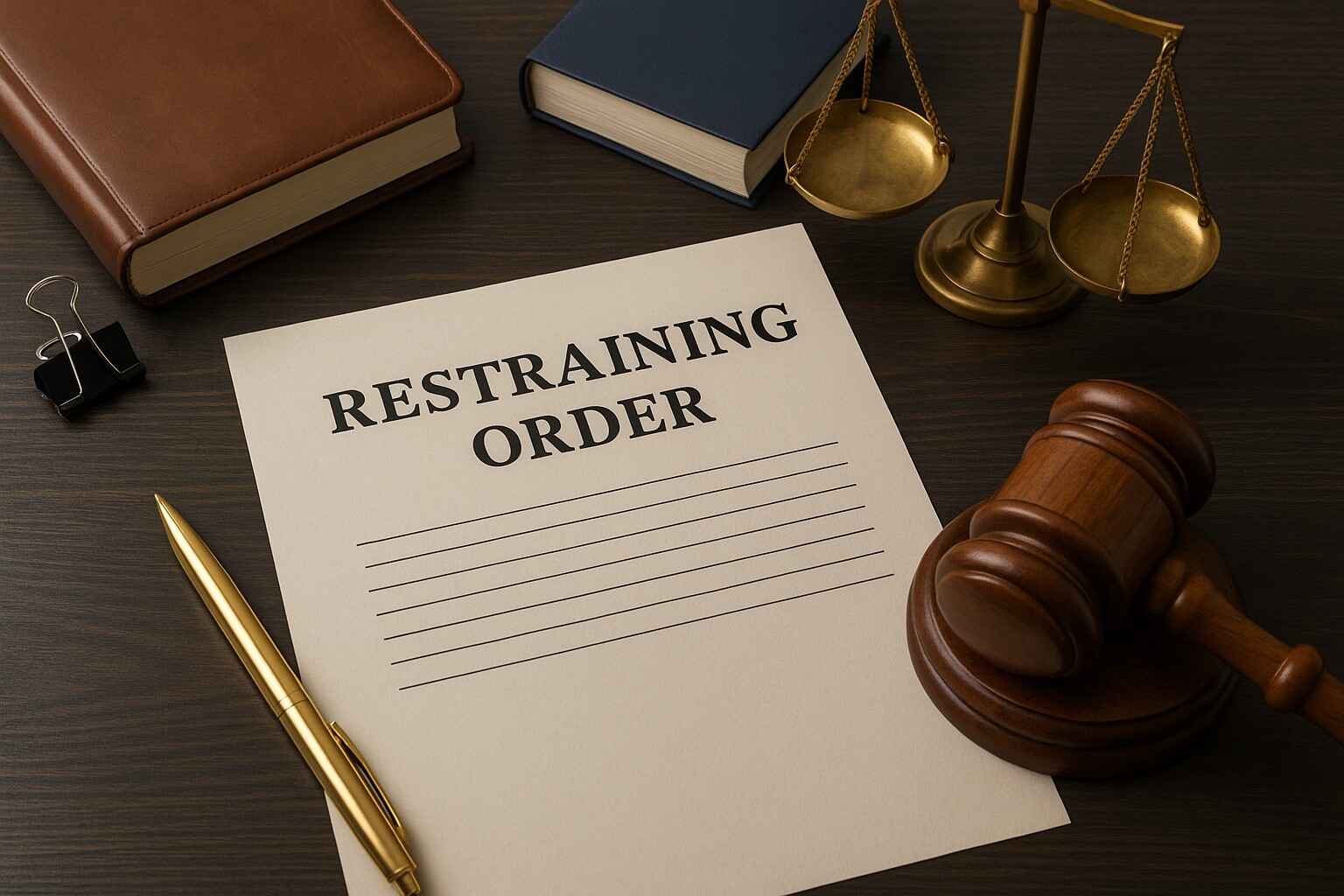
Temporary Restraining Orders (TROs)
These are short-term orders issued quickly. They are often used in urgent situations where immediate action is necessary. TROs typically last only until a hearing can be scheduled.
Temporary Injunctions
These last longer than TROs and remain in effect until the case is resolved or the court issues a final decision. They provide ongoing protection during the dispute.
Permanent Injunctions
These are issued after a final decision. They create lasting restrictions based on the outcome of the case.
In probate injunctions cases, temporary measures are the most common. They address immediate risks while leaving final decisions for later.
The Legal Standard for Granting an Injunction
Courts do not issue injunctions automatically. The party requesting one must meet specific requirements. These requirements ensure that injunctions are used appropriately.
Typically, the court considers:
- Whether there is a real risk of harm
- Whether that harm cannot be easily reversed
- Whether the requesting party has a strong legal claim
Each factor plays a role in the decision. Together, they create a balanced approach.
From an analytical standpoint, the court weighs urgency against fairness. It must act quickly without overstepping its role.
Real-Life Style Example: Financial Account Freeze
Imagine a case in Austin. A beneficiary suspects that estate funds are being withdrawn improperly. They file for probate injunctions to freeze the account.
The court reviews initial evidence and determines that there is a risk of loss. It issues a temporary order restricting access to the account.
This action protects the funds while the case proceeds. It also prevents further withdrawals until the issue is resolved.
This example highlights how probate injunctions can preserve financial stability during disputes.
The Role of Evidence in Injunction Requests
Evidence is critical when requesting an injunction. The court needs a clear reason to act. Without evidence, the request may fail.
In probate injunctions cases, useful evidence may include:
- Financial records
- Property documents
- Communications between parties
- Witness statements
Each piece helps establish the need for intervention. Together, they support the request.
Strong evidence increases the likelihood of success. It also helps the court make informed decisions quickly.
How Injunctions Affect the Probate Process
Injunctions can slow down certain actions, but they also create stability. This balance is important in complex cases.
When probate injunctions are in place:
- Certain transactions stop
- Disputed actions pause
- The court gains time to review
This structured pause helps prevent mistakes. It also ensures that decisions are made carefully.
However, injunctions can also extend timelines. This trade-off reflects the need for thorough evaluation.
Emotional Impact on Families
Injunctions often arise during conflict. This can increase emotional tension among family members. Disputes that might have been manageable can become more serious. As a result, relationships may become strained during an already difficult time. This added pressure can make decision-making more challenging for everyone involved.
Family members may feel:
- Frustrated by delays
- Suspicious of others’ actions
- Concerned about fairness
Each of these emotions reflects uncertainty about what will happen next. Together, they can intensify disagreements and prolong disputes.
Understanding probate injunctions helps put these reactions in context. It shows that the goal is protection, not punishment. This perspective can reduce tension and encourage more constructive communication.

Long-Term Benefits of Using Injunctions
Although injunctions can feel disruptive, they often lead to better outcomes. By preventing premature actions, they protect the estate’s value. This protection ensures that decisions are made carefully rather than rushed. It also allows time for proper evaluation of all claims.
Benefits include:
- Preserving assets
- Reducing long-term disputes
- Ensuring fair distribution
Each of these outcomes supports a more balanced process. Together, they help maintain trust in how the estate is handled.
These outcomes support the overall integrity of the probate process. They also reduce the likelihood of future legal challenges. In many cases, early intervention leads to smoother resolution later.
Common Misconceptions About Injunctions
Several misconceptions exist about probate injunctions. These misunderstandings can create unnecessary confusion. Clarifying them helps individuals approach the process more confidently.
Some believe:
- Injunctions are permanent
- They resolve the dispute immediately
- They favor one side unfairly
Each of these beliefs simplifies a more complex reality. In practice, injunctions serve a limited and specific purpose.
In reality, injunctions are temporary and neutral. They simply pause actions until the court can decide. This pause allows for a more careful and fair evaluation of the situation.
Understanding this helps manage expectations. It also clarifies their purpose. In many cases, this awareness prevents unnecessary frustration.
Practical Steps for Requesting an Injunction
To pursue probate injunctions effectively:
- Gather relevant evidence
- Act quickly when risks appear
- Work with legal counsel
- Prepare for a court hearing

These steps improve the chances of success. They also ensure that the request is well-supported.
Conclusion
Probate injunctions are powerful tools that protect estate assets during disputes. While they may slow down certain actions, they provide essential stability when situations become uncertain. This stability allows the court to evaluate issues without pressure. It also helps prevent irreversible decisions.
By understanding how probate injunctions work, when they apply, and how courts evaluate them, individuals can navigate probate disputes with greater clarity and protect what matters most. This knowledge supports more informed decisions throughout the process. Over time, it also helps ensure that the estate is handled fairly and responsibly.