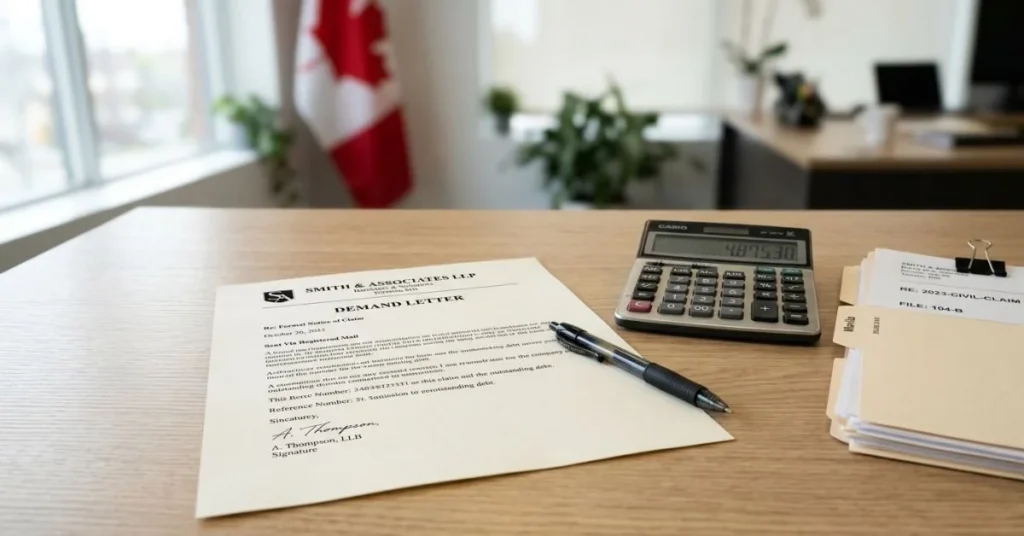
Probate discovery process steps often decide how a contested estate dispute unfolds, and the probate discovery process can turn uncertainty into concrete evidence that reshapes an entire case. When families disagree over a will, asset distribution, or the actions of an executor, the case does not move forward on assumptions—it moves forward on proof. This shift from opinion to evidence changes how each side approaches the dispute. It also forces both parties to support their claims with verifiable information rather than personal belief.
Imagine a situation in Dallas. Two siblings stand on opposite sides of a dispute. One believes the will reflects their parent’s true wishes. The other suspects manipulation. At first, both sides rely on memory, emotion, and interpretation. Then the probate discovery process begins. Documents are requested. Emails are reviewed. Witnesses are questioned. Suddenly, the case is no longer about what people think—it becomes about what can be proven. This transition often changes the tone of the case entirely. What once felt personal becomes structured and evidence-driven.
That shift is where discovery becomes powerful. It introduces clarity into a situation that may have been clouded by assumptions. It also creates a framework for evaluating competing claims in a fair and consistent way.
Understanding how the probate discovery process works allows you to approach contested probate cases with strategy rather than guesswork. With this knowledge, you can anticipate how the case may develop. In many situations, this preparation leads to more informed decisions and better outcomes.
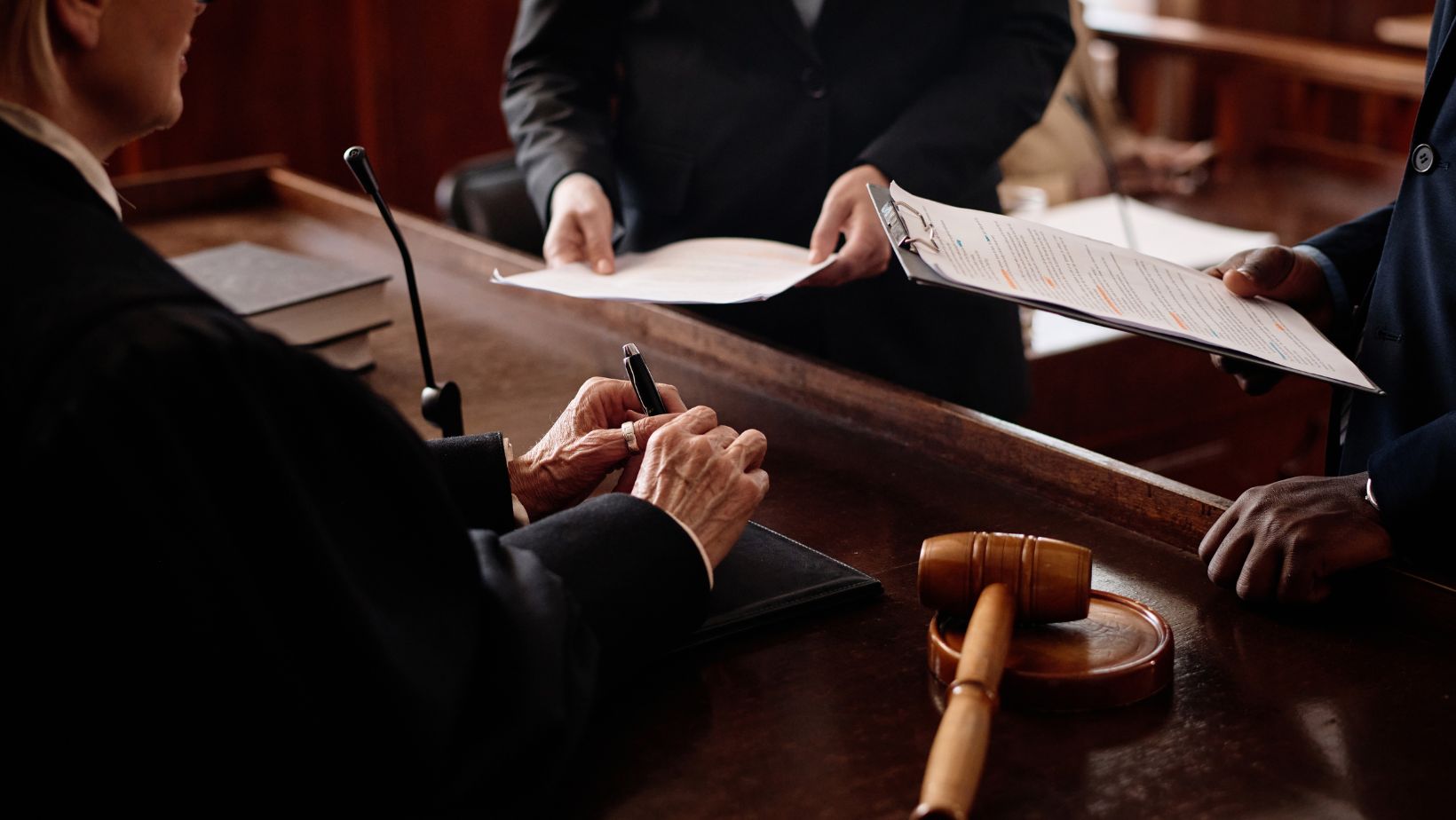
What the Probate Discovery Process Really Means
At its core, the probate discovery process is the stage where both sides gather and exchange information. It is not about argument yet. Instead, it is about uncovering facts. This phase focuses on building a factual foundation before any legal conclusions are drawn. By doing so, it allows both parties to understand the case more clearly.
This process includes:
- Collecting documents
- Asking formal questions
- Taking sworn testimony
- Requesting records from third parties
Each of these steps serves a specific purpose within the probate process. Together, they help create a more complete and accurate picture of the situation.
Each step builds a clearer picture of what actually happened. As more information becomes available, the narrative becomes more precise. This gradual development helps reduce uncertainty in the case.
From an analytical perspective, discovery converts a narrative dispute into an evidence-based framework. It replaces speculation with verifiable information. This transformation is essential for making informed legal decisions.
Why Discovery Is Essential in Probate Conflicts
Probate disputes often involve complex and sensitive issues. These cases rarely rely on simple facts. Instead, they often include multiple perspectives and interpretations.
These may include:
- Whether a will was valid
- Whether undue influence occurred
- Whether assets were handled properly
Each of these questions requires careful examination. The answers often depend on detailed evidence rather than assumptions.
Without the probate discovery process, these questions would remain unanswered. This lack of clarity could lead to unresolved disputes. It might also result in decisions based on incomplete information.
Discovery ensures:
- Transparency between parties
- Access to critical information
- Fair evaluation of claims
These outcomes help create a balanced legal process. They also support more accurate and consistent results.
In short, it provides the foundation for any meaningful resolution. Without this foundation, disputes would be difficult to resolve effectively. In many cases, discovery is what makes resolution possible.
Real-Life Scenario: A Disputed Will
Consider a case in Houston.
A will leaves the majority of assets to a caregiver rather than family members. The family challenges the will, suspecting undue influence.
At the beginning, they have concerns—but no proof.
During the probate discovery process, they obtain:
- Medical records showing cognitive decline
- Financial records showing unusual transfers
- Messages indicating pressure
What began as suspicion becomes a structured argument supported by evidence.
The Main Tools Used in Discovery
The probate discovery process relies on several key tools. Each one serves a different purpose in gathering information.
Interrogatories
These are written questions sent to the opposing party.
They require:
- Detailed responses
- Answers under oath
Interrogatories help establish timelines and clarify positions.

Requests for Production
These requests focus on documents.
Examples include:
- Bank statements
- Wills and prior versions
- Emails or text messages
Document production often forms the backbone of the case.
Requests for Admission
These ask the opposing party to confirm or deny specific facts.
This helps narrow disputes by identifying what is agreed upon and what remains contested.
Depositions: Hearing the Story Directly
Depositions play a major role in the probate discovery process.
During a deposition:
- A witness answers questions under oath
- Attorneys explore details and inconsistencies
- Testimony is recorded for later use
Witnesses may include:
- Executors
- Beneficiaries
- Medical professionals
- Caregivers
Depositions provide insight that documents alone cannot reveal.
Real-Life Style Example: A Deposition Reveals More
Imagine a case in Austin.
A caregiver claims they only assisted with daily tasks. During a deposition, they describe handling finances and making decisions on behalf of the deceased.
Later, financial records show transfers benefiting the caregiver.
This inconsistency becomes critical.
It is the probate discovery process that uncovers it.
Financial Records: Following the Trail
Financial records often tell the most objective story. Unlike personal recollections, these records provide a clear and traceable account of activity. They allow the court to rely on documented facts rather than interpretation.
In the probate discovery process, these records help:
- Track asset movement
- Identify unusual transactions
- Confirm or challenge claims
Common records include:
- Bank statements
- Investment accounts
- Property transfers
These documents provide a detailed timeline of financial activity. They often reveal how assets were managed over time.
Patterns within these records can reveal more than individual transactions. Repeated behavior or sudden changes may indicate underlying issues. In many cases, these patterns become central to the dispute.
Medical Records and Capacity Issues
In many probate disputes, capacity is a central issue. Questions about decision-making ability often arise when wills or financial actions are challenged. These concerns require careful evaluation.
Medical records can show:
- Cognitive ability at specific times
- Diagnosis of conditions affecting judgment
- Timing of key decisions
Each of these factors helps establish whether the individual understood their actions. This information is critical in determining the validity of decisions.
During the probate discovery process, these records help determine whether the individual had the ability to make informed decisions. They provide an objective basis for evaluating capacity. In many cases, they play a key role in resolving disputes.
Third-Party Subpoenas
Not all information comes from the parties involved.
Sometimes, third parties hold critical records.
Subpoenas allow attorneys to request:
- Bank records
- Healthcare documentation
- Communication logs
These sources often provide unbiased information.
Challenges in the Discovery Process
Discovery is not always straightforward.
Common challenges include:
- Incomplete responses
- Delays in providing documents
- Disputes over what is relevant
In some cases, parties may resist sharing information.
When this happens, the court may intervene.
The Court’s Role in Discovery Disputes
When disagreements arise, the court may:
- Order compliance with requests
- Limit overly broad demands
- Set deadlines for responses
This oversight ensures that the probate discovery process remains fair and efficient.
Analytical Perspective: Information as Leverage
From an analytical standpoint, discovery is about information control.
The side with stronger evidence gains:
- Negotiation leverage
- Strategic advantage
- Greater credibility

Information shapes outcomes.
The probate discovery process is how that information is obtained.
How Discovery Influences Settlement
Many probate disputes never reach trial.
Instead, they resolve through settlement.
Discovery plays a major role in this outcome.
Once evidence is revealed:
- Parties reassess their positions
- Risks become clearer
- Compromise becomes more likely
The probate discovery process often drives this shift.
Real-Life Scenario: Evidence Changes the Outcome
Consider a case in Fort Worth.
One party believes they have a strong claim. During discovery, emails surface showing the deceased intended a different distribution.
Faced with this evidence, the party agrees to settle.
Discovery did not just uncover facts—it changed the trajectory of the case.
The Timeline of Discovery
Discovery takes time.
It involves:
- Sending requests
- Waiting for responses
- Reviewing materials
- Conducting depositions
The probate discovery process can last several months.
Understanding this timeline helps set realistic expectations.
Preparing for Discovery
Preparation improves outcomes.
Parties should:
- Organize relevant documents
- Review timelines
- Work closely with attorneys
Being prepared ensures that responses are accurate and complete.
Emotional Impact of Discovery
Discovery can be emotionally challenging.
It may involve:
- Reviewing personal communications
- Revisiting difficult events
- Confronting conflicting narratives
Understanding the purpose of the probate discovery process can help manage this impact.
Long-Term Importance of Discovery
Discovery affects more than the immediate dispute.
It influences:
- Case outcomes
- Settlement decisions
- Legal strategies
Thorough discovery leads to informed decisions.

Conclusion
The probate discovery process is one of the most important stages in contested probate cases. It transforms disputes from assumptions into evidence-based arguments, allowing courts to evaluate claims with clarity. This shift ensures that decisions rely on verified facts rather than speculation. It also provides a structured path for resolving disagreements in a fair and organized way.
By understanding how discovery works, individuals can approach probate disputes with preparation, strategy, and confidence. This knowledge helps them anticipate challenges and respond effectively. In many cases, it also reduces uncertainty and leads to more informed decision-making throughout the process.