Probate witness requirements Texas play a critical role in determining whether a will actually holds up in court, yet most people don’t think about them until it’s too late. A will may look perfectly valid on paper, clearly written and signed, but if it doesn’t meet the proper witness standards, it can fall apart when it matters most.
Imagine a situation where a father carefully drafts his will, dividing his estate among his children. He signs it at home, asks a neighbor to witness it, and stores it safely. Years later, after his passing, the family brings the will to probate court—only to discover that the witness requirements were not properly met. Suddenly, the entire estate plan faces uncertainty.
That’s how something seemingly small—like who signs as a witness—can determine whether a will stands or fails.
In this article, we’ll break down probate witness requirements Texas in detail, explain why they matter, and explore how courts evaluate wills during probate. Along the way, we’ll use real-world-style examples and analyze common mistakes that lead to disputes.
Why Witnesses Matter in Texas Probate Law
The Foundation Behind Probate Witness Requirements Texas
At its core, probate witness requirements Texas exist to protect the integrity of a will. The law doesn’t just want a document—it wants assurance that the document reflects the true intentions of the person who created it.
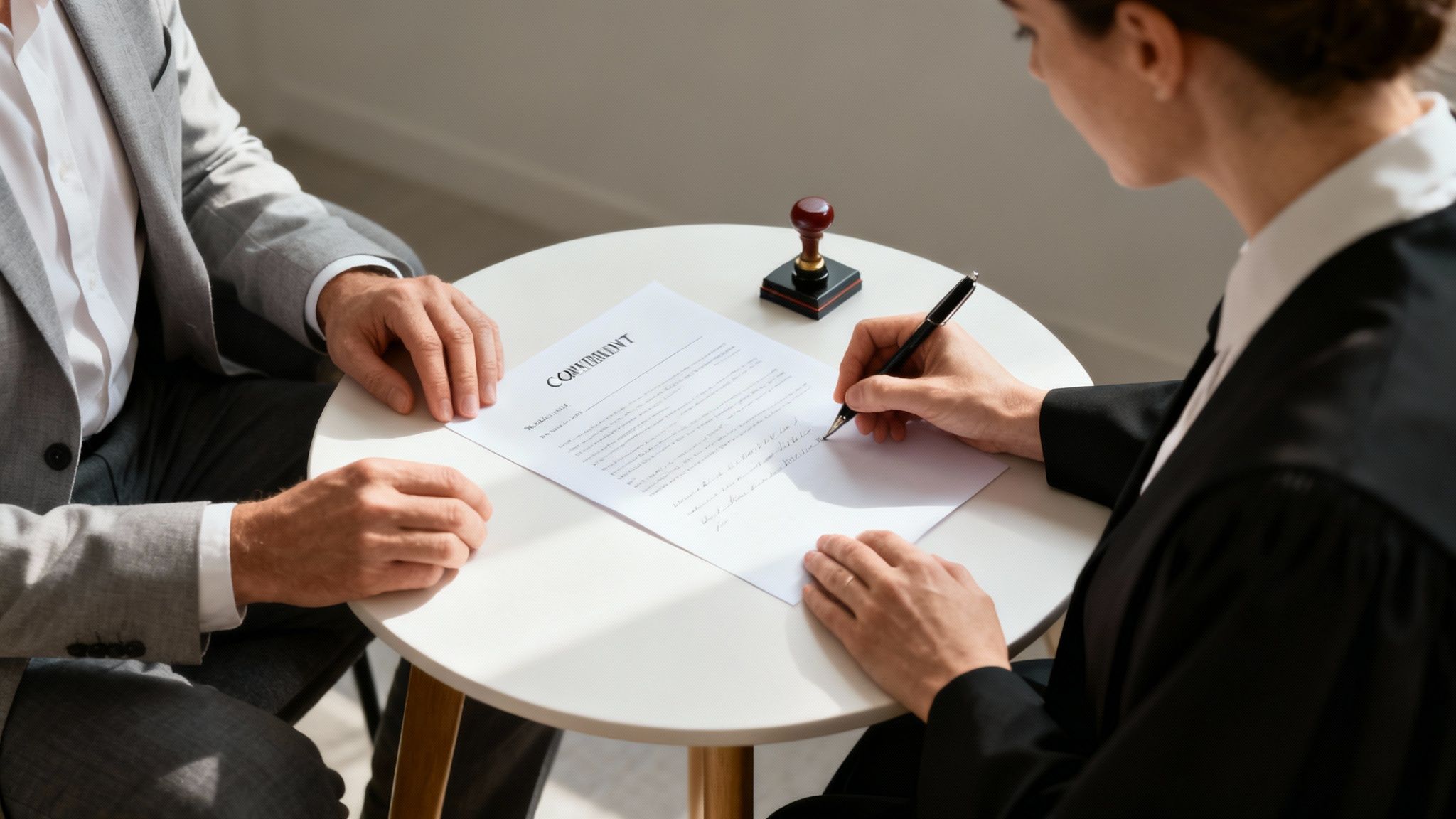
Witnesses serve as neutral observers. They confirm that the person signing the will did so voluntarily, understood what they were signing, and was not under pressure or coercion.
Without proper witnesses, courts may question:
- Whether the will is authentic
- Whether the signer had mental capacity
- Whether undue influence was involved
Because of these concerns, probate witness requirements Texas are not just technical rules—they are safeguards built into the legal system.
Basic Witness Requirements for a Valid Will
Breaking Down Texas Will Witness Rules Step by Step
Texas law sets clear standards for witnesses in most formal wills.
To meet probate witness requirements Texas, a will generally must be signed by the testator, attested by at least two credible witnesses, include witnesses who are at least 14 years old, and be signed in the presence of the testator.
Each of these elements must be satisfied to ensure the will is enforceable in court.
Although these requirements may seem straightforward, each one carries legal importance.
Even a small deviation can create uncertainty about whether the will meets statutory standards.
For instance, the term “credible witness” has a specific legal meaning.
It refers to someone who is competent and not disqualified by interest in the estate.
Who Qualifies as a “Credible Witness”?
A Key Element in Probate Witness Requirements Texas
The concept of a credible witness often causes confusion.
In Texas, a credible witness is someone who:
- Is mentally competent
- Can testify in court if needed
- Is not disqualified due to interest in the estate
Here’s where things get interesting.
If a witness stands to benefit from the will, their credibility may be challenged. This doesn’t always invalidate the will, but it can create complications.
For example, if a beneficiary signs as a witness, the court may question whether that person influenced the testator. As a result, probate witness requirements Texas emphasize neutrality in witnesses.
Interested Witnesses and Their Impact
When Probate Witness Requirements Texas Get Complicated
An “interested witness” is someone who receives something under the will.
Texas law doesn’t automatically invalidate a will with an interested witness. However, it may affect what that witness can inherit.
In many cases, the court may reduce or eliminate the inheritance of that witness unless there are additional disinterested witnesses present.
Consider a real-life-style example.
A mother names her son as a beneficiary and also has him sign as a witness. If no other neutral witnesses are present, the court may limit the son’s inheritance to what he would have received under intestacy laws.
This is why probate witness requirements Texas strongly favor using disinterested witnesses whenever possible.
The Role of Self-Proving Affidavits
How They Simplify Probate Witness Requirements Texas
A self-proving affidavit is an additional document that can make the probate process smoother.
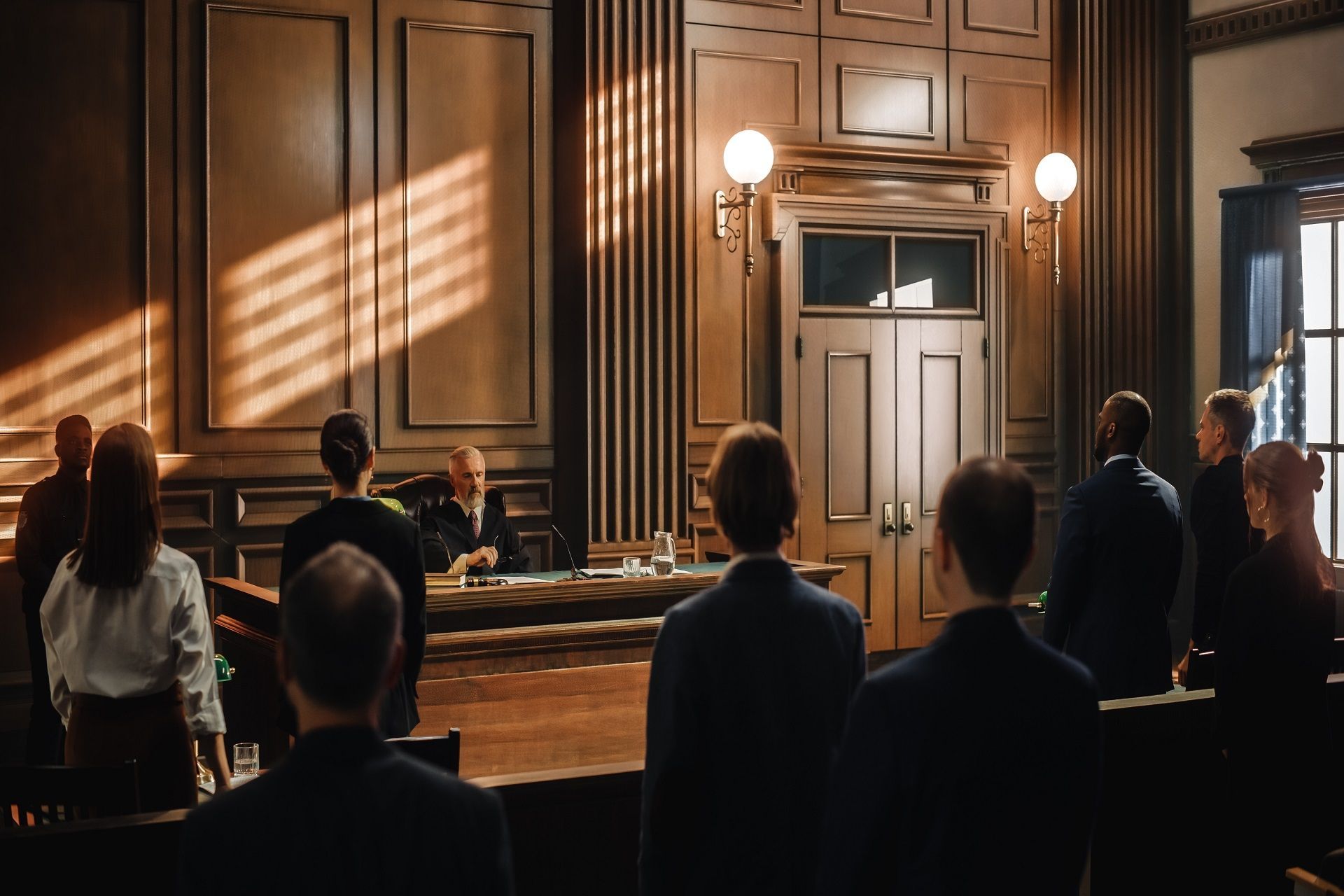
It is signed by the testator and witnesses in front of a notary. This affidavit confirms that all legal requirements were met at the time of signing.
Why does this matter?
Without a self-proving affidavit, witnesses may need to testify in court during probate. That can be difficult if witnesses have moved, forgotten details, or passed away.
With the affidavit, the court can accept the will without requiring live testimony.
In practical terms, this means probate witness requirements Texas can be satisfied more efficiently when a self-proving affidavit is included.
What Happens If Witness Requirements Aren’t Met?
Consequences of Failing Probate Witness Requirements Texas
When a will fails to meet probate witness requirements Texas, the consequences can be significant.
The court may:
- Reject the will entirely
- Treat the estate as intestate (no valid will)
- Trigger disputes among family members
Imagine a situation where a will is invalidated due to improper witnesses. The estate may then be distributed according to Texas intestacy laws, which may not reflect the testator’s wishes.
This is where small technical errors turn into major legal issues.
Holographic Wills: An Exception to the Rule
A Unique Twist in Probate Witness Requirements Texas
Texas recognizes holographic wills—wills written entirely in the testator’s handwriting.
These wills do not require witnesses to be valid.
However, they come with their own challenges.
Courts must verify that the handwriting belongs to the testator. This often requires testimony from individuals familiar with the handwriting.
While holographic wills bypass traditional probate witness requirements Texas, they can still face scrutiny during probate.
Real-Life Scenario: A Will That Falls Apart
When Probate Witness Requirements Texas Aren’t Followed
Consider a scenario where an individual drafts a will and asks two friends to sign it. However, one of the witnesses leaves before the testator signs the document.
Years later, during probate, the issue surfaces.
Because the witness did not actually see the testator sign the will, the requirement was not properly met.
The court questions the validity of the will.
This example shows how even small deviations from probate witness requirements Texas can create serious problems.
The Importance of Timing and Presence
Why Details Matter in Probate Witness Requirements Texas
Timing plays a critical role in the execution of a will.
Witnesses must sign the will in the presence of the testator. While Texas does not require witnesses to sign in each other’s presence, the process must still reflect proper execution.
If the sequence of signing is unclear, the court may question whether the requirements were met.
For example, if witnesses sign days later without the testator present, the will may face challenges.
This is why attention to detail is essential when meeting probate witness requirements Texas.

How Courts Evaluate Witness Testimony
The Judicial Perspective on Probate Witness Requirements Texas
When disputes arise, courts look closely at witness testimony.
Judges may consider:
- Whether witnesses recall the signing clearly
- Whether the testator appeared competent
- Whether any pressure or influence was present
Inconsistent or unclear testimony can weaken the case for the will’s validity.
Because of this, probate witness requirements Texas are not just about signatures—they’re about credibility and clarity.
Avoiding Common Mistakes
Practical Tips for Meeting Probate Witness Requirements Texas
Many issues arise from simple mistakes that could have been avoided.
Common errors include:
- Using interested witnesses
- Failing to sign in the correct order
- Not including a self-proving affidavit
- Choosing witnesses who cannot later testify
Each of these mistakes can complicate probate.
Taking the time to follow probate witness requirements Texas properly can prevent disputes later.
Another Scenario: When Everything Goes Right
A Successful Example of Probate Witness Requirements Texas
Now imagine a different situation.
A testator signs their will in front of two disinterested witnesses. All parties sign at the same time. A notary completes a self-proving affidavit.
Years later, the will enters probate.
Because all requirements were properly followed, the process moves smoothly. No disputes arise. The court accepts the will without additional testimony.
This scenario shows how careful planning can simplify everything.
Why Probate Witness Requirements Texas Matter More Than You Think
The Bigger Picture
At first glance, witness requirements may seem like a technical detail. However, they play a central role in protecting the validity of a will.
They ensure that the document reflects genuine intent, free from coercion or confusion.
They also provide a layer of verification that courts rely on when evaluating wills.

In this way, probate witness requirements Texas serve as a foundation for the entire probate process.
Conclusion: Getting Probate Witness Requirements Texas Right
Probate witness requirements Texas are not just legal formalities—they are essential safeguards that determine whether a will stands or falls.
From choosing credible witnesses to ensuring proper signing procedures, every step matters.
As we’ve seen, even minor mistakes can lead to major consequences. At the same time, careful attention to detail can ensure a smooth probate process.
In the end, understanding probate witness requirements Texas is about more than compliance—it’s about protecting a person’s final wishes and ensuring they are honored exactly as intended.