A notice from probate court often arrives at the worst possible moment. You are still handling funeral arrangements, fielding calls from family, and trying to understand what your loved one owned. Then you see a hearing notice for a docket call, and it feels bigger and scarier than it usually is.
In most Texas probate cases, a docket call is not a trial. It is not the court accusing anyone of wrongdoing. It is usually a short, structured court appearance used to move an estate forward.
If you are searching for probate docket call texas, you probably want practical answers, not courtroom jargon. You want to know what this hearing means, what to bring, what the judge may ask, and whether a remote appearance will work. Those are the right questions.
Texas probate law mainly sits in Titles 2 and 3 of the Texas Estates Code. In plain English, those laws govern what happens after death, including proving a will, identifying heirs, appointing the right person to act for the estate, and authorizing that person to gather and distribute property. A docket call is one of the court checkpoints in that process.
Navigating Your First Court Hearing After a Loss
Maria had barely finished ordering death certificates when she received a court notice for her father’s estate. She had been named executor in his will, but the phrase “Notice of Hearing” made her think she was walking into a lawsuit. What she faced was a routine probate setting where the judge would confirm a few key facts and, if the paperwork was in order, admit the will to probate.
That reaction is common. Court language sounds severe, especially during grief. Families often assume a docket call means conflict, public questioning, or a long day in court.
Usually, it means the opposite. It is often the court’s way of handling straightforward matters efficiently, especially when no one is contesting the will and the required filings are complete.

What families need to know first
A few points usually lower the temperature right away:
- This is a normal part of probate: The court uses docket calls to review probate matters in an organized way.
- Many settings are brief: In an uncontested matter, the hearing may be short and focused.
- Preparation matters more than performance: The biggest problems usually come from missing documents, incorrect notice, or local rule violations, not from saying the wrong thing.
- Plain language helps: A decedent is the person who died. An executor is the person named in the will to handle estate business. Letters Testamentary are the court papers that prove the executor has authority to act.
A probate docket call is best understood as a court check-in. The judge wants to know whether the estate is ready for the next legal step.
If your family is dealing with a will, no will, heirship issue, or questions about who can act for the estate, the hearing can still feel emotional. That is normal. The process is legal, but the people in it are grieving. Good preparation makes the experience manageable.
What Is a Probate Docket Call in Texas?
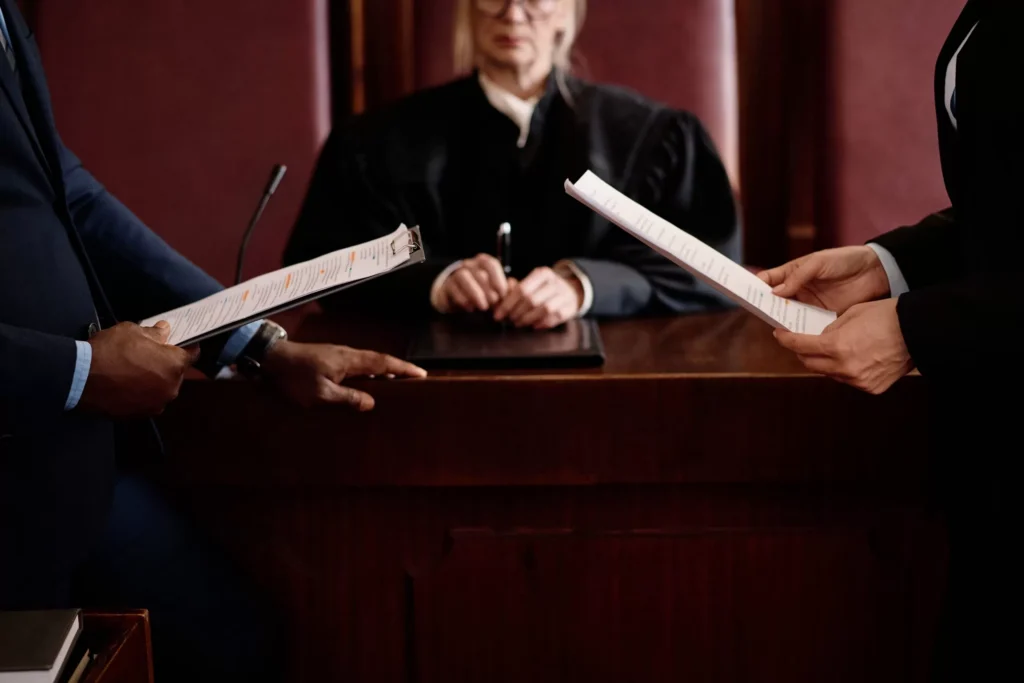
A probate docket call is a scheduled court hearing where the judge reviews probate matters that are ready for action. It is comparable to a series of quick check-ins in a busy office. The court calls the estate’s name, confirms that the required steps have been taken, and decides whether the case can move forward.

Texas courts need that structure because probate volume is high. In Texas, probate courts manage approximately 165,000 probate cases annually, alongside 60,000 active guardianships, overseeing an estimated $6 billion in estate assets according to Texas probate statistics summarized here. With that many matters moving through the system, courts rely on organized docket settings for estate validation, inventories, and distributions.
What happens at this kind of hearing
In plain English, the court is usually looking for answers to a few basic questions:
- Is there a valid will to admit?
- Was proper notice given?
- Is the proposed executor or administrator qualified?
- Are the filings complete under the Texas Estates Code?
- Is the matter uncontested, or has someone objected?
For many families, the hearing relates to a request under Title 2 of the Texas Estates Code, which covers estates of decedents. If there is a will, the court may consider whether to admit it to probate and appoint the named executor. If there is no will, the case may involve heirship and appointment of an administrator.
Why docket calls exist
Without docket calls, every straightforward estate matter would require a more elaborate hearing process. That would increase delay and cost for families who need authority to collect accounts, deal with property, and pay debts.
A docket call is part of the larger probate court hearings process in Texas. It helps the court separate routine uncontested cases from matters that need extra testimony, witness proof, or contested litigation.
In an uncontested estate, the docket call is often the moment the case shifts from waiting to working. Once the judge signs the order, the estate can often move into administration.
Not every hearing looks the same. A self-proved will is usually simpler than a handwritten will. A muniment of title case differs from a full administration. A family dispute changes everything. Still, the core function stays the same. The court uses the docket call to decide whether your case is ready for the next legal step.
The Docket Call Timeline and Local County Rules
Most probate docket calls happen after the initial application is filed and notice requirements are addressed. The exact timing depends on the county, the court’s calendar, and whether the file is complete. That last point matters more than many families realize.
Texas probate is local. The Estates Code sets the framework, but each court’s procedures shape the experience. One county may make scheduling easy through an online portal. Another may require a phone setting. One court may permit some remote appearances. Another may insist on in-person attendance for certain matters.

Why counties handle these hearings differently
Texas tracks probate activity through its court data systems, and HB 1182, effective in 2023, requires detailed monthly docket reporting in counties with populations over 1 million, including Harris, Dallas, Tarrant, and Bexar. Those reports include cases assigned, clearance rates, and continuances, as reflected in the Texas judicial data and reports materials. In practice, that kind of reporting pushes large courts to manage settings closely and enforce local rules with little patience for missing items.
A practical county-by-county comparison
Here is where families often run into trouble:
| County or court practice | What often works | What often causes delay |
|---|---|---|
| Harris County | Using the court’s scheduling system, confirming whether the matter is contested, and checking the court’s hybrid rules carefully | Assuming every court in Harris follows the same Zoom rules |
| Fort Bend County | Treating standing orders like a checklist and filing required items before the court’s deadline | Waiting until the week of hearing to deposit the original will or resolve fee issues |
| Travis County | Calling when the court directs phone contact and not assuming online settings exist for every probate matter | Relying on generic online advice from another county |
| Dallas or Tarrant practice | Reviewing the specific probate court’s posted procedures before requesting a setting | Thinking “Texas probate” has one statewide script |
The larger lesson is simple. Probate docket call texas is not one uniform experience.
How to approach local rules
A good working method looks like this:
- Identify the exact court, not just the county.
- Read that court’s probate page and standing orders.
- Confirm hearing format, meaning in-person, Zoom, or hybrid.
- Match your filings to that court’s deadlines.
- Do not borrow assumptions from another county.
The local differences are significant enough that families benefit from reviewing how probate laws and procedures differ across Texas counties. The law may be statewide, but the hearing logistics are not.
The most preventable probate delays come from treating a local court like a generic Texas court. Judges expect compliance with their own posted procedures.
A Step-by-Step Guide to the Courtroom Procedure
The hearing itself is usually less dramatic than the notice suggests. For many uncontested estates, it is orderly, brief, and highly repetitive from the court’s perspective.

Before the case is called
Arrive early if the setting is in person. Bring your photo ID and any documents your attorney asked you to have available. If the hearing is virtual, log in early from the approved device and make sure your screen name is recognizable.
In court, you may wait while the judge handles several other estates first. That is normal. Probate dockets often move through multiple matters in one session.
When the estate name is announced
The case is usually called by the estate name, such as Estate of Jane Doe, Deceased. If you are represented, your attorney usually steps forward with you or announces the case on your behalf.
You will likely be placed under oath. That means you promise to tell the truth before answering the judge’s questions.
What the judge may ask
For a typical uncontested docket call involving a self-proving will, the questioning is brief. The hearing often spans about 2 to 15 minutes, with yes-or-no questions about the will, the decedent’s death, and the proposed executor’s role, as described in this Texas probate hearing guide.
The questions are usually narrow. They may sound like this:
- Are you the person named as executor in the will?
- Did the decedent die on the date stated in the application?
- Was the decedent a resident of this county?
- Is this the will being offered for probate?
- To your knowledge, was the will revoked?
- Are you qualified to serve?
If the will includes a self-proving affidavit, that usually means the will already contains sworn statements that help the court accept it without tracking down the original witnesses again. Under the Estates Code, that can make the hearing much smoother.
A realistic example
Suppose Jane Doe died in Harris County with a valid will naming her son David as executor. David files the application to probate the will and for issuance of Letters Testamentary. Notice is posted. No one objects.
At the docket call, the judge swears David in and confirms the basics. If the file is complete and the testimony matches the application, the judge signs the order admitting the will to probate and authorizing Letters Testamentary.
That signed order matters because banks, title companies, and others often need proof that the executor has legal authority.
A short visual overview can help if this is your first hearing:
What happens after the judge signs
The hearing itself is only one moment in the administration. After the order is signed, the clerk may issue Letters Testamentary or Letters of Administration, depending on the case. Those are the official documents that let the estate representative act.
From there, the estate may move into tasks required under the Texas Estates Code, such as:
- Collecting assets
- Notifying creditors when required
- Preparing inventories or other required filings
- Resolving debts and distributing property
The courtroom portion is often the shortest part of probate. The work usually begins after authority is granted.
How to Prepare for Your Texas Probate Docket Call
Preparation is what separates a smooth setting from an avoidable reset. Most probate courts are not looking for polished speeches. They are looking for a complete file, a qualified applicant, and compliance with local procedure.
What to bring and review
A simple checklist helps:
- Photo identification: Bring a current government-issued ID.
- Application details: Review the probate application before the hearing so your testimony matches the filing.
- Original will status: Confirm whether the court requires the original will to be on file before the hearing.
- Proposed order: Make sure the order your attorney intends to present matches the relief requested.
- Contact information: Have current phone numbers and email addresses for anyone the court may need to reach regarding scheduling or follow-up.
Families often feel calmer when they review a broader probate document checklist for executors before the hearing date.
How to prepare for a virtual setting
Remote hearings can be convenient, especially for out-of-state executors and heirs. They can also create problems because Texas courts do not use one uniform system.
One of the clearest examples comes from Harris County Probate Court No. 5, which does not allow Zoom participation by smartphone or tablet and may pass the hearing if that rule is violated, according to the court’s online docket settings guidance. That is exactly the kind of local rule families miss when they rely on generic internet advice.
Use this remote checklist:
- Use the right device: A desktop or laptop is safer when the court limits mobile access.
- Test audio and camera: Do it before the hearing day, not five minutes before.
- Choose a quiet room: Courts expect the same seriousness online that they expect in person.
- Rename your screen properly: Use your full legal name or the name your attorney instructs you to use.
- Keep documents nearby: You may need to confirm dates or identify the will.
- Join early: If there is a technical problem, early login gives you time to fix it.
Courtroom behavior still matters online
Whether you appear in court or by Zoom, the basic rules stay the same. Dress neatly. Mute when not speaking. Do not interrupt the judge. Answer only the question asked.
If you do not understand a question, ask for clarification. That is better than guessing.
Good preparation is less about memorizing legal language and more about removing avoidable problems before the hearing starts.
Common Pitfalls and How to Avoid Them
Most probate docket calls do not go off track because of high drama. They go off track because of small procedural mistakes.
Missing pre-hearing requirements
Some courts enforce pre-hearing compliance very strictly. Fort Bend County requires certain probate items, including original will deposits and fee payments, at least 7 days before the hearing, and failures are a primary reason that 20 to 30 percent of scheduled uncontested hearings are passed or rescheduled, according to Fort Bend County’s probate court information page.
That means a family can be fully ready emotionally and still lose the setting because one filing or payment was late.
How to avoid it:
- Create a court-specific checklist.
- Confirm deadlines with the exact court, not a general probate site.
- Treat “passed” as a real setback, not a minor inconvenience.
Assuming every will is easy to prove
A self-proved will is usually easier because it already includes sworn proof that helps establish validity. A will that is not self-proved may require additional witness testimony or other proof. Handwritten wills can create even more complications.
What helps:
- Review the will early.
- Identify proof problems before requesting a hearing.
- Do not assume a will is ready just because the family agrees it is valid.
Forgetting that a simple case can become contested
A docket call stays simple only while no one objects. If an heir challenges the will, disputes the executor, or raises questions about capacity or undue influence, the case can shift into litigation quickly. That is a different legal posture from a routine uncontested setting.
When that happens, families often need guidance with Probate Litigation, not just probate paperwork.
Treating remote attendance casually
Virtual hearings tempt people to be informal. That is a mistake. Late logins, weak internet, background noise, and device-rule violations can derail the setting.
A better approach is to treat a Zoom docket call exactly like a courthouse appearance. The setting may be online, but the authority is still the court’s.
The probate hearing that gets passed is usually not the one with the hardest facts. It is the one with the missing requirement.
Key Insights for Executors and Heirs
Takeaway
A probate docket call in Texas is usually a brief court review, not a courtroom battle. For many families, it is the step that allows the estate to move from filing papers to handling property, debts, and distributions under the Texas Estates Code.
The biggest practical lesson is this: local court rules matter as much as the statewide law. The county, the court, the judge’s procedures, and the hearing format can all affect what happens on your setting date.
Preparation lowers stress. Knowing the file, checking notice requirements, following the court’s remote rules, and understanding whether your matter is uncontested can make the process far easier.
If your family also needs help in related areas, it may be useful to review Texas options for Guardianship and Wills & Trusts. Probate is often one part of a much larger family transition.
Contact The Law Office of Bryan Fagan, PLLC
If you are facing a probate docket call in Texas, experienced legal guidance can make the process clearer and less stressful. The right help can mean understanding the local court’s rules, preparing the correct filings, appearing confidently at the hearing, and moving the estate forward without avoidable delays.
If you’re facing probate in Texas, our team can help guide you through every step, from filing to final distribution. Schedule your free consultation today.
If you’re facing probate in Texas, our team can help guide you through every step, from filing to final distribution. Schedule your free consultation with Law Office of Bryan Fagan, PLLC today.