A parent dies. The family is already exhausted. Then someone finds a newer will that changes everything.
Maybe the old plan divided property among the children. The newer document leaves most of the estate to a recent caregiver, a neighbor, or one child who had unusual control over the parent’s appointments, finances, or visitors. In that moment, grief often mixes with suspicion. People ask the same questions. Was this really what Mom wanted? Was Dad pressured? Is it too late to do anything?
A contested probate hearing texas case is the court process used to answer those questions. It is not just a disagreement at the kitchen table. It is a formal legal dispute in probate court, governed by the Texas Estates Code, where a judge decides whether a will should be admitted, upheld, or set aside.
Families are dealing with this more often than many realize. In Fiscal Year 2021, Texas probate courts saw a 19% increase in estate cases filed according to the Texas courts annual statistical report. More filings do not mean every family ends up in a courtroom, but they do show how often estate matters can become contested after a loss.
If you are deep in grief and loss, it can be hard to tell whether your concerns are legal issues, family tension, or both. Sometimes it helps to see how probate disputes are handled with structure and care, including approaches like mediating probate disputes in Texas.
When Family Grief Turns to Legal Conflict
Maria thought the hardest day would be the funeral. It was not.
A week later, her brother told her there was a new will. Their mother had signed it shortly before her death. Under the older plan, the children shared the estate. Under the newer one, a large gift went to a person who had recently become involved in their mother’s daily life.
Maria was not angry because she expected money. She was unsettled because the change did not sound like her mother. She remembered confusion during medical appointments, missed medications, and moments when her mother struggled to recognize familiar names. Her brother insisted the will was valid. Maria felt trapped between mourning and the fear that staying silent would betray her mother’s true wishes.
That is how many contested probate matters begin. Not with greed. With uncertainty.
Why these hearings matter
Texas law gives families a legal forum to raise serious concerns about a will. That forum is the probate court. If there is a dispute over whether the will reflects the decedent’s real intent, the court can hold a contested hearing and examine evidence.
A contested hearing can arise before the will is admitted to probate or after admission within the period allowed by law. The timing matters, and so does the evidence. A family member’s instinct that “something feels wrong” may point to a real issue, but courts decide these cases based on proof, not suspicion alone.
What families often misunderstand
Many people assume probate judges read the will and move on. They do not when someone raises a legally valid objection.
Others think a contest means the family relationship is beyond repair. Sometimes that is true. Often, though, the hearing process gives everyone a structured way to bring records, witnesses, and facts into one place so the dispute stops living in text messages, side conversations, and old resentments.
Takeaway: A contested probate hearing is not a sign that your family failed. It is the legal process Texas uses when grief and uncertainty collide.
Understanding the Grounds for a Will Contest
Not every unfair result is an illegal one. Texas probate courts do not set aside a will just because someone feels surprised or hurt by it. The contestant must point to a recognized legal ground and prove it.
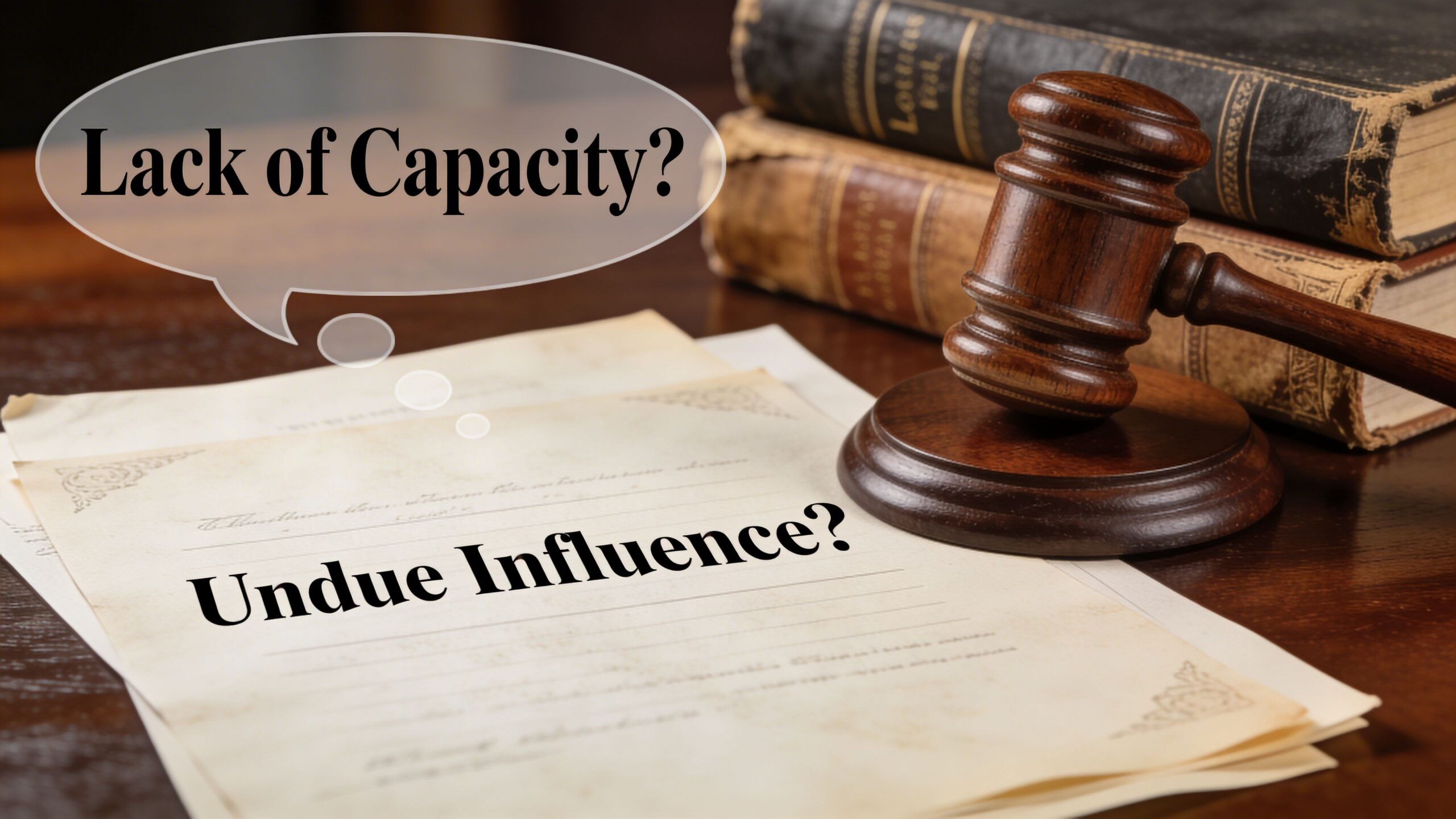
For a fuller discussion of these issues, see this guide on grounds for contesting a will in Texas.
Lack of testamentary capacity
This is the legal way of asking a simple question. Did the person understand what they were doing when they signed the will?
A person generally needs to understand that they are making a will, know the general nature of their property, and recognize the people who would naturally expect to receive it. Capacity is measured at the time the will was signed.
Consider signing an important contract while severely disoriented. The issue is not whether the person had a diagnosis. The issue is whether they had enough mental clarity at that moment.
A realistic example: an elderly father signs a new will during a period of severe confusion after hospitalization. Medical records, witness testimony, and the timing of the signing may all matter.
Undue influence
Undue influence means pressure so strong that it overpowered the person’s own judgment.
This is more than persuasion. Family members persuade each other all the time. A daughter might encourage a parent to update a will after a divorce or remarriage. That alone is not unlawful. The problem begins when someone isolates a vulnerable person, controls access, or pushes changes that look more like domination than advice.
A helpful analogy is a high-pressure sales tactic aimed at someone too weak to push back. The law asks whether the will reflects the decedent’s free choice or someone else’s control.
Example: a caregiver restricts who can visit, drives the parent to the lawyer, stays in the room, and benefits heavily under a brand-new will.
Fraud or forgery
Fraud involves deception. Forgery involves a false signature or false document.
Sometimes fraud means a person was tricked into signing something they did not understand. In other cases, someone may hide information to induce a change. Forgery is even more direct. The signature may not be genuine, or pages may have been altered.
This kind of claim often requires hard evidence. Courts look closely at signatures, surrounding circumstances, and witness credibility. Handwriting analysis may become important in some cases.
A realistic example: siblings discover that the signature on a later will looks markedly different from earlier legal documents and bank records.
Improper execution
Texas law sets formal rules for how a will must be signed and witnessed. If those formalities were not followed, the will may be invalid even if everyone agrees the decedent intended a change.
This part of probate can feel technical, but the rules serve a purpose. They help courts know the document is authentic and was executed with the seriousness a will requires.
A common misunderstanding is that a typed document with a signature is automatically enough. It is not always enough. The court will examine whether the required legal steps were followed.
Grounds at a glance
| Ground | Plain-English question | Common evidence |
|---|---|---|
| Lack of capacity | Did the person understand the will when signing? | Medical records, witnesses, attorney observations |
| Undue influence | Did someone pressure the person into changing the will? | Messages, dependency patterns, sudden changes |
| Fraud or forgery | Was the person deceived, or was the document falsified? | Signature comparison, witness testimony, document review |
| Improper execution | Were Texas signing rules followed? | Will paperwork, witness details, attorney file |
Practical tip: The strongest probate claims usually start with documents and firsthand witnesses, not family theories.
Texas Estates Code provisions in Titles 2 and 3 shape how wills are proved, admitted, challenged, and administered. The legal labels may sound intimidating, but the heart of the issue is simple. The court wants to know whether the will is real, voluntary, and properly executed.
Initiating a Contested Probate Hearing in Texas
A daughter brings a will to court after her father dies. Her brother says the document is invalid. The executor is trying to do his job, pay bills, and protect the estate. Before anyone reaches the hearing room, the court asks two basic questions. Who has the right to raise the dispute, and was the contest started the right way?

Who has standing
The concept of standing is critical here.
Texas Estates Code § 22.018 uses the term interested person. In plain English, that means someone whose legal rights or financial interests could change depending on what the probate court decides. That often includes heirs, beneficiaries named in the challenged will, beneficiaries under an earlier will, and sometimes an executor or administrator whose duties are directly affected.
A person with no real stake in the estate usually cannot start a will contest. Probate court is not a place for general family objections or old grievances. It is a court process for people whose rights are on the line.
One practical question helps clarify the issue. If the will is upheld or rejected, would your share, your duties, or your legal position change? If the answer is yes, standing may exist.
For general background on estate administration, readers often find the Texas probate process helpful.
The first procedural steps
Starting a contested probate matter requires formal written pleadings filed in the proper probate court. Those papers need to do real work. They should identify the will at issue, state the legal basis for the contest, and describe the key facts clearly enough that the judge and the other parties understand what is being claimed.
This step matters for both sides. For the challenger, vague allegations can weaken the case from the start. For the executor or proponent defending the will, the pleadings show exactly what must be answered, denied, or disproved.
Notice also matters. Texas procedure uses citation, which serves the same function as formal service in other civil cases. Probate courts must decide rights in the open, with notice to the people affected and an opportunity for them to respond.
That point often surprises families. A hearing date alone is not enough. If notice is defective, the dispute can slow down, be reset, or create avoidable expense.
Before probate and after probate are different fights
One strategic issue deserves special attention. Challenging a will before it is admitted to probate is different from contesting it after admission.
Before admission, the person offering the will is trying to convince the court to accept it. If you object at that stage, the contest becomes part of the initial probate decision. After admission, the will already carries the weight of a court order, and the contestant is trying to undo that result within the time the Estates Code allows.
That difference affects strategy for both camps. A challenger may prefer to act early, before administration gains momentum and positions harden. An executor defending the will may want to secure admission promptly and make sure the record is clean, the witnesses are identified, and the required notices are handled correctly.
Deadlines that matter
Deadlines can shape the entire case.
Texas law gives a limited window to contest a will after it has been admitted to probate under Texas Estates Code § 256.204. Missing that deadline can end the claim before the court ever reaches the facts. Families should never assume they can wait until emotions settle and then revisit the issue months later.
Another date often matters in practice. After appointment, the executor generally must file an inventory, appraisement, and list of claims within the period required by the Estates Code unless the court approves an alternative. That filing can bring disputes into focus by showing what property is in the estate and how it is being characterized. For someone challenging the estate process, it may reveal problems. For an executor, it is an early chance to show orderly administration.
What the contestant must prove
The contestant carries the burden of proof on the claim being asserted. In civil court, that usually means proving the allegation by a preponderance of the evidence. The judge must believe the claim is more likely true than not true.
That standard is lower than the criminal standard people hear about on television, but it still requires evidence with weight behind it. Medical records, witness testimony, attorney files, handwriting analysis, and financial records often matter far more than suspicion or family disappointment.
A simple roadmap
- Confirm standing and identify how the outcome affects your rights.
- Choose the right timing by evaluating whether the will is being challenged before or after admission to probate.
- File detailed pleadings that state the legal ground and supporting facts.
- Make sure citation and notice are handled correctly for all required parties.
- Gather proof early so the challenger can meet the burden, or the executor can defend the will with a clear record.
Key point: For a challenger, the opening steps determine whether the court will hear the case at all. For an executor defending the will, those same steps often reveal whether the contest is narrowly supported by evidence or driven mostly by grief and suspicion.
The Contested Hearing Process From Discovery to Trial
Once the case is on file, families often feel the dispute has entered unfamiliar territory. The hearing itself may be months away, but the legal work starts immediately.

Discovery is where the case is built
Lawyers call it discovery. Most families think of it as the information-gathering phase. It is where each side asks for documents, questions witnesses, and tests the other side’s story.
Common discovery tools include:
- Depositions where a witness answers sworn questions outside the courtroom.
- Interrogatories which are written questions that must be answered formally.
- Requests for production seeking records such as bank statements, medical charts, emails, calendars, and drafts of estate documents.
If the issue is capacity, the case may focus on medical records, physician notes, medications, and testimony from people who saw the decedent around the signing date. If the issue is undue influence, lawyers may look for patterns of dependence, isolation, sudden changes in estate planning, and who arranged the legal appointment.
For an executor defending a will, discovery often means gathering the lawyer’s file, witness information, and records showing the decedent acted independently. For a challenger, it means turning suspicions into proof.
Probate usually pauses during the fight
A practical concern comes up quickly. What happens to the estate while all this is going on?
Once a contest is filed, the probate process typically freezes, and no assets can be distributed. Before trial, mediation is often required and resolves approximately 70% of contested probate cases in Texas according to this discussion of contesting a will in Texas after probate.
That freeze matters for both sides. Challengers may feel relief because assets are not moving out the door. Executors may feel pressure because beneficiaries are waiting and administration stalls.
Mediation often matters more than families expect
Mediation is not the same as giving up. It is a structured settlement meeting with a neutral third party who helps the family try to reach an agreement.
Some cases settle because the evidence is weaker than one side first believed. Others settle because everyone decides that preserving family resources matters more than fighting to a final ruling. A mediation result might involve a negotiated distribution, an agreement about specific assets, or a resolution of side disputes involving the executor’s role.
Practical tip: Good mediation preparation often looks a lot like trial preparation. Organized records, a clear timeline, and realistic expectations give families a stronger position.
Readers dealing with active litigation may also want to review probate litigation services to understand the broader tools available in estate disputes.
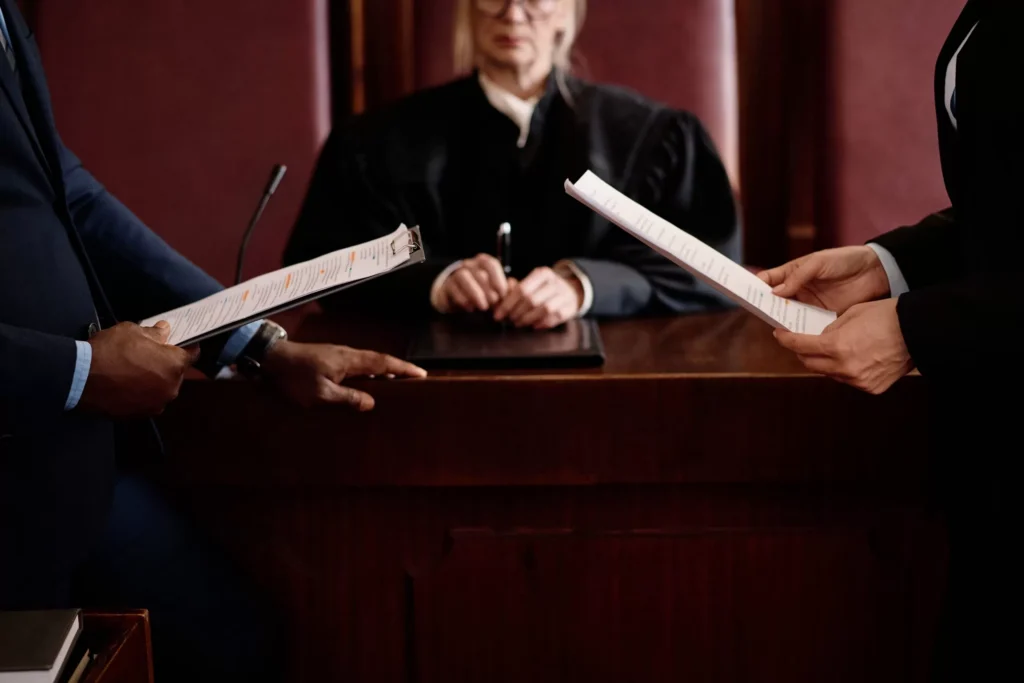
What happens at the hearing or trial
If mediation does not resolve the case, the court will hold an evidentiary hearing or trial. The judge, and in some situations a jury, hears the evidence at this stage.
The process usually includes:
| Stage | What happens |
|---|---|
| Opening presentation | Each side explains its theory of the case |
| Witness testimony | Family members, drafting attorneys, medical providers, and other witnesses testify |
| Document evidence | Wills, medical records, financial records, emails, and related papers are introduced |
| Cross-examination | Each side tests the other side’s witnesses |
| Legal argument | Lawyers connect the evidence to the Texas Estates Code |
| Ruling | The court decides whether the will stands or fails |
A realistic courtroom example helps. Suppose a son claims undue influence by a caregiver. The son may testify about restricted visits and sudden changes in the will. The executor may answer with testimony from the drafting attorney that the decedent met privately, explained the reasons for the changes, and appeared firm and consistent. The judge then weighs credibility, documents, and timing.
The hearing is rarely dramatic in the way television suggests. It is usually detailed, document-heavy, and emotionally tiring. Small facts matter. Who scheduled the appointment. Who drove the decedent there. Whether the decedent spoke alone with counsel. Whether medical notes from that week support or undercut capacity.
That is why contested probate cases often feel like marathons. The final hearing may last a day or more, but the outcome is usually shaped by the months of careful evidence work that come first.
Potential Outcomes Costs and Appeals
A contested probate case often reaches a point where both sides ask the same hard question. What does the ending look like for our family?

The answer depends on whether you are challenging the will or defending it as executor or beneficiary. Texas probate disputes are not only about proving someone right or wrong. They also determine who controls the estate, who inherits, how long administration is delayed, and whether the family can absorb one more round of litigation.
The will is upheld
If the court upholds the will, the estate usually continues under that document. The executor keeps doing the job the court authorized. Debts and taxes are handled, and property is distributed under the will’s terms.
For the executor, this outcome often means the judge found the paperwork, testimony, and surrounding circumstances sufficient under the Texas Estates Code. For the challenger, it means the court was not persuaded that the will should be denied probate or set aside.
That result hurts, but it also gives finality.
Sometimes that finality helps a family stop spending estate resources on a fight that was draining everyone involved.
The will is denied probate or set aside
If the court finds lack of capacity, undue influence, fraud, or improper execution, the challenged will may fail. What happens next is not random. The court then looks for the next legally valid path.
Often that means an earlier will controls. If there is no earlier valid will, Texas intestacy rules apply. Those are the default inheritance rules the legislature created for people who die without a valid will.
A simple way to understand this is to picture a ladder. If the top rung breaks, the court steps down to the next rung. If no rung remains, the estate drops into intestacy.
For challengers, this can be the result they were seeking. For executors defending the will, it can mean a major shift in duty, especially if a different personal representative takes over.
Settlement is common for a reason
Many cases do not end with a winner-take-all ruling after trial. They end in settlement.
That can happen because both sides see risk. A challenger may have enough evidence to create concern, but not enough to feel safe at trial. An executor may believe the will is valid, yet still decide that preserving estate assets and reducing family damage is the wiser course.
Settlement works a bit like repairing a fence before the whole structure collapses. It rarely feels ideal, but it may prevent more expense and bitterness. In some cases, families agree to a different property division, a resignation or replacement of the executor, or terms that reduce future conflict.
Costs matter more than families expect
Probate litigation in Texas can be expensive. Attorney’s fees are only part of the picture. Court costs, deposition expenses, expert witness fees, document collection, mediation, and the delay in closing the estate all add pressure.
That does not mean every contest is a bad idea.
It means both sides should ask a practical question early. If we spend this money and emotional energy, what are we realistically trying to protect or recover? A morally upsetting situation is not always a legally strong case. The reverse is also true. Some cases are worth pursuing or defending because the financial stakes, the evidence, or the long-term family consequences are too serious to ignore.
For readers trying to sort out fee responsibility, this guide on who pays legal costs when contesting a will is a useful starting point.
Timing affects risk
The cost and posture of the case can look very different depending on when the challenge is filed.
A contest before the will is admitted to probate is often more preventive in nature. The challenger is trying to stop the will from taking hold in the first place. A contest after admission usually requires the challenger to undo something the court has already accepted, and that can change strategy, urgency, and expense. For the executor, the defensive work also changes. Before admission, the focus is often on getting the will admitted. After admission, the focus may shift toward protecting actions already taken in estate administration.
That difference is easy to miss when a family is grieving. It can shape the entire case.
A short video overview can help
Sometimes hearing the issue explained out loud makes the process easier to absorb.
Appeals can extend the case by months or longer
A probate judge’s ruling is not always the end of the matter. A party may have the right to appeal, but an appeal is not a new trial with new witnesses telling the story again. The appellate court usually reviews whether the trial court made a legal error, applied the wrong standard, or handled procedure incorrectly.
For grieving families, this distinction is important. An appeal is more like asking another court to inspect the referee’s rulebook decisions, not replay the entire game from the beginning.
Appeals add time, cost, and uncertainty. They can also delay distributions and keep family relationships frozen in conflict. Sometimes an appeal is justified because the legal issue is serious and the trial court may have ruled incorrectly. In other cases, accepting the result is the healthier and more economical choice.
Guardianship issues can also overlap with probate disputes, especially when the decedent’s mental condition before death becomes part of the story. Families facing those related concerns may also want to review guardianship matters in Texas.
Key insight: A sound probate strategy matches the evidence, the likely cost, and the family’s actual goals, whether you are contesting the will or defending it.
Practical Checklist for a Contested Probate Hearing
When emotions are high, a checklist helps. It gives you something solid to do next.
For potential challengers
- Write down the timeline: Note when the decedent’s health changed, when the will changed, who became involved, and when concerning events happened. Memory fades quickly under stress.
- Gather existing documents: Collect prior wills, emails, text messages, calendars, medical paperwork you lawfully possess, and notes about conversations with the decedent.
- Identify firsthand witnesses: Focus on people who personally observed the decedent near the signing date. Courts care far more about firsthand testimony than family assumptions.
- Look at motive and opportunity: Ask who benefited from the new will, who arranged meetings, and whether the decedent was isolated from others.
- Assess the practical cost: A morally upsetting result is not always a legally winnable case. Consider the financial and emotional burden before filing.
For executors and beneficiaries defending the will
- Secure the original will and estate records: Keep the original document safe. Preserve attorney communications, witness information, and records relating to execution.
- Organize the decedent’s story: Create a simple chronology showing health, living arrangements, financial management, and the reason for any estate plan changes if known.
- Protect assets without overreacting: Continue carrying out legal duties carefully, but avoid actions that could look secretive or self-serving while a dispute is brewing.
- Communicate carefully: Beneficiaries often want updates, but off-the-cuff explanations can create problems. Stick to accurate, limited information.
- Prepare for scrutiny: If you helped with appointments, transportation, or paperwork, expect those facts to be examined closely.
A shared checklist for both sides
Whether you are challenging or defending, these habits matter:
- Preserve records early.
- Avoid deleting messages or emails.
- Do not coach witnesses.
- Use one organized file system for documents.
- Get legal advice before taking a major step.
A practical option for families who want legal guidance on probate disputes, administration, or planning issues is the Law Office of Bryan Fagan, PLLC, which handles probate litigation, estate administration, and related matters under Texas law.
Takeaway: In probate court, organization is often as important as emotion. The side that documents events clearly usually enters the hearing in a stronger position.
Key Insights and When to Seek Legal Help
A contested probate hearing is a lawsuit inside the probate process. It is formal, evidence-driven, and shaped by the Texas Estates Code.
The hardest part for many families is that grief does not pause while the legal deadlines run. If you suspect a will was created under pressure, signed without capacity, forged, or executed incorrectly, waiting too long can narrow your options. If you are an executor defending a will, early preparation can make the difference between a manageable dispute and a damaging one.
Key insights
- A will contest needs legal grounds, not just suspicion.
- The person bringing the contest carries the burden of proof.
- Pre-probate and post-probate challenges are not the same. Timing affects strategy, a stronger position, and the shape of the case.
- Most contested matters are built through documents and witness testimony.
- Settlement can be wise even when you feel strongly about the merits.
- Early legal advice protects both challengers and defenders.
If you have been notified of a contest, or you believe one may be necessary, that is the time to speak with a probate litigation attorney. Waiting for “more clarity” often means losing time that should have been spent preserving records, meeting deadlines, and shaping the case carefully.
Texas probate law in Titles 2 and 3 gives families a path forward. You do not have to handle it alone.
If you’re facing probate in Texas, our team can help guide you through every step, from filing to final distribution. Schedule your free consultation today with Law Office of Bryan Fagan, PLLC.