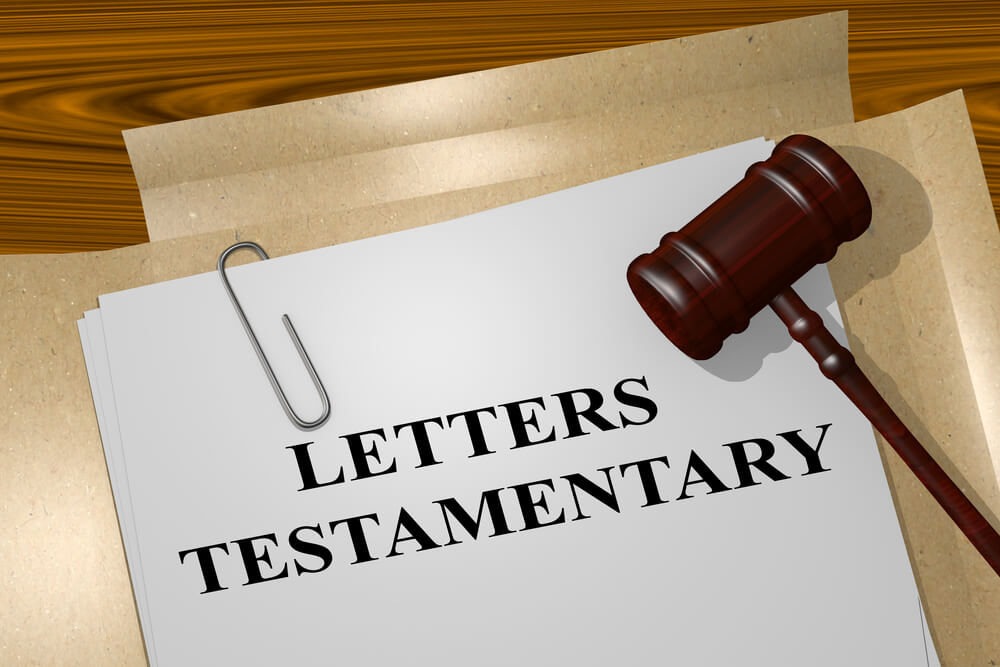
Probate letters testamentary Texas are among the most important documents issued during a probate case because they provide the legal authority an executor needs to begin administering an estate. Many families assume that simply being named as executor in a will automatically gives someone the power to manage bank accounts, sell property, or handle financial matters. In reality, financial institutions and other organizations often require formal proof that the probate court has officially recognized the executor’s authority before allowing those actions to take place.
Imagine a woman named Sarah whose father names her as executor in his will. After his passing, she contacts his bank to close an account and pay estate expenses. The bank representative expresses sympathy but explains that Sarah cannot access the account until she presents probate letters testamentary Texas issued by the probate court. Although she has the original will in hand, she quickly learns that the court’s authorization—not the will alone—is what allows her to act on behalf of the estate.
Situations like Sarah’s explain why letters testamentary play such a central role in probate administration. They provide third parties with confidence that the executor has been properly appointed and possesses legal authority to administer estate assets.
From an analytical perspective, letters testamentary serve as the bridge between the probate court’s appointment of an executor and the practical responsibilities involved in managing the estate.
Understanding Probate Letters Testamentary Texas
Before examining what these documents allow an executor to do, it helps to understand what probate letters testamentary Texas actually are.
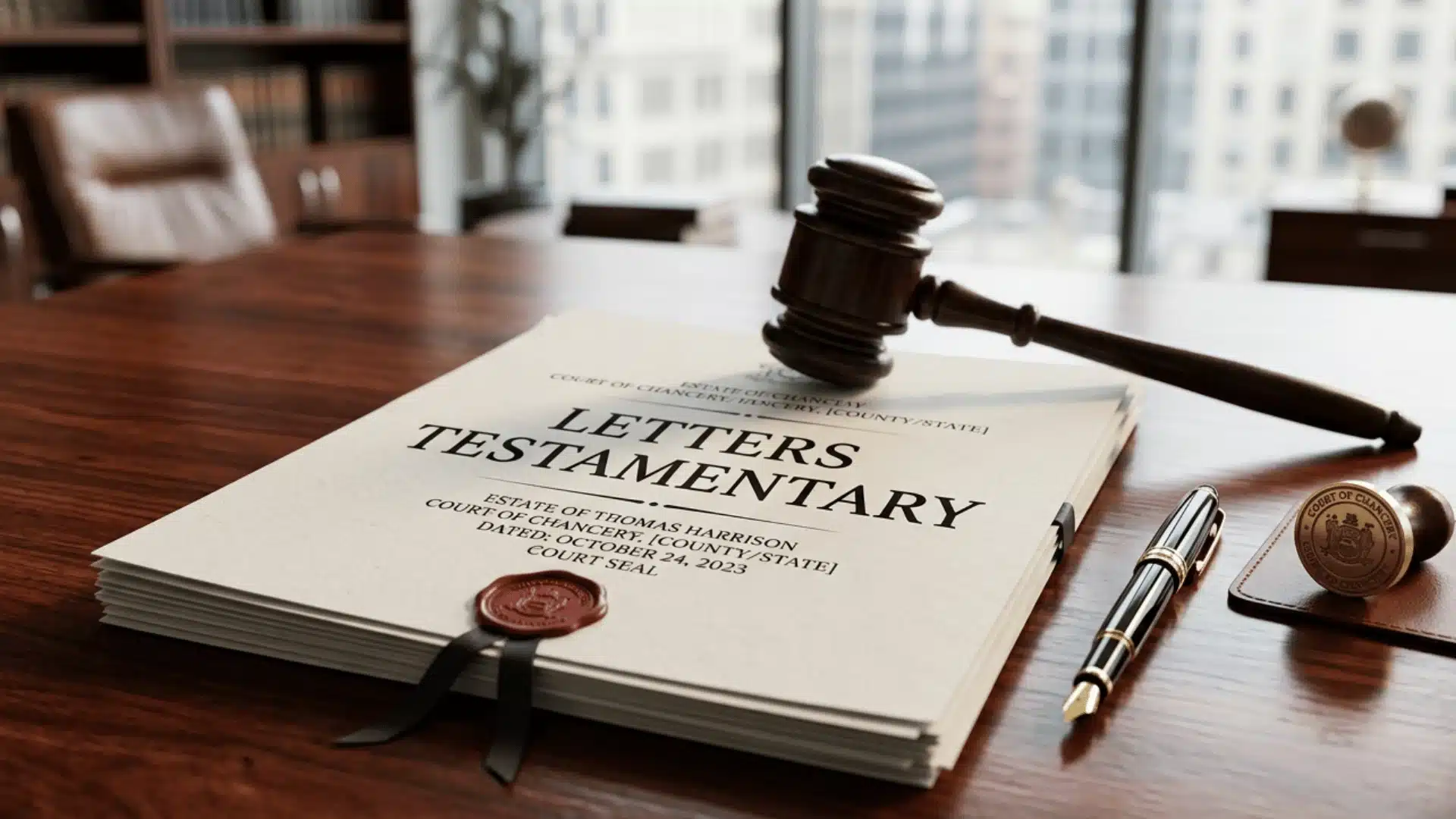
Letters testamentary are official documents issued by the probate court after the court admits a will to probate and appoints the executor named in that will.
These documents generally confirm that:
- A valid probate proceeding has begun.
- The executor has been officially appointed.
- The executor has legal authority to act for the estate.
Rather than transferring ownership of estate assets, letters testamentary authorize the executor to carry out the responsibilities required during probate.
Why Letters Testamentary Matter
Without official authority, many financial institutions, government agencies, and businesses cannot simply rely on an individual’s statement that they are the executor.
Letters testamentary help protect everyone involved by providing formal court verification of the executor’s appointment.
Organizations commonly request these documents before allowing an executor to:
- Access financial accounts
- Sell estate property
- Transfer certain assets
- Conduct other estate business
This verification promotes both accountability and security throughout the probate process.
The Probate Court’s Role
The probate court plays an essential role before probate letters testamentary Texas are issued.
Generally, the court first reviews matters such as:
- The validity of the will
- The proposed executor’s qualifications
- Applicable probate procedures
- Required notices
- Other legal requirements
Only after satisfying the applicable legal standards does the court appoint the executor and issue letters testamentary.
Does Every Estate Require Letters Testamentary?
Not every estate follows the same probate process.
Whether letters testamentary are issued depends on the circumstances of the estate and the type of probate administration involved.
For example, estates administered under a valid will naming an executor commonly involve letters testamentary, while different procedures may apply in other probate situations.
The specific process depends on Texas probate law and the facts of the estate.
What Authority Do Letters Testamentary Provide?
Once issued, probate letters testamentary Texas generally authorize the executor to begin carrying out estate responsibilities.
Depending on the circumstances, this authority may include:
- Collecting estate assets
- Opening estate bank accounts
- Paying valid debts
- Communicating with financial institutions
- Managing estate property
- Handling certain legal matters on behalf of the estate
The executor must still perform these duties according to Texas law and any applicable court orders.

The Executor’s Fiduciary Duties Continue
Receiving letters testamentary does not give the executor unlimited authority.
Instead, executors remain fiduciaries with continuing legal responsibilities.
These duties generally include:
- Acting honestly
- Protecting estate assets
- Keeping accurate financial records
- Avoiding conflicts of interest
- Following the will whenever legally possible
- Acting in the best interests of the estate
Letters testamentary authorize the executor to act, but they do not eliminate these important legal obligations.
Working With Banks and Financial Institutions
Banks frequently request probate letters testamentary Texas before discussing estate accounts.
Financial institutions often rely on these documents to verify that:
- The executor has been officially appointed.
- The court recognizes the executor’s authority.
- Estate transactions may proceed according to probate procedures.
Without this documentation, banks may refuse to release funds or provide account information.
Managing Real Estate
Many estates include homes, land, or other real property.
Letters testamentary often allow the executor to begin addressing matters involving estate real estate, subject to applicable probate law and any court requirements.
Responsibilities may include:
- Maintaining property
- Arranging insurance
- Coordinating appraisals
- Working with real estate professionals
- Managing property expenses
Whether court approval is required for specific transactions depends on the type of administration and applicable law.
Real-Life Example
Imagine a hypothetical executor named David.
David’s aunt names him executor in her Texas will.
After probate begins, the court appoints David and issues probate letters testamentary Texas.
Using these documents, David provides proof of his authority to the bank, insurance company, and investment firm holding estate assets. He opens an estate account, gathers financial records, and begins paying valid estate expenses while maintaining detailed documentation of every transaction.
David’s experience demonstrates how letters testamentary allow an executor to begin performing the practical responsibilities of estate administration.
How Long Do Letters Testamentary Remain Useful?
Executors often use certified copies of letters testamentary throughout probate.
Different organizations may request recent certified copies before completing estate transactions.
For that reason, executors commonly obtain multiple certified copies from the probate clerk when the letters are first issued.
Maintaining these documents throughout probate helps simplify future interactions with financial institutions and other organizations.
Using Letters Testamentary With Creditors
One practical use of probate letters testamentary Texas involves communicating with creditors after the probate case begins.
Creditors may need confirmation that they are dealing with the person legally authorized to represent the estate. Presenting letters testamentary helps establish that the executor has been appointed by the probate court and may address estate-related financial matters according to Texas law.
Depending on the circumstances, executors may use these documents while:
- Communicating with creditors
- Reviewing outstanding debts
- Requesting account information
- Resolving estate obligations
- Managing estate correspondence
These interactions remain subject to applicable probate procedures and the executor’s fiduciary duties.
Working With Government Agencies
Executors sometimes need to contact government agencies while administering an estate.
Letters testamentary may be requested before agencies discuss estate matters or update official records.
Depending on the situation, an executor may communicate with agencies regarding:
- Tax matters
- Property records
- Benefits administration
- Other estate-related issues
The documents help verify that the executor has authority to act on behalf of the estate.
Paying Estate Expenses
One responsibility of many executors involves paying appropriate estate expenses after estate funds become available.
Following issuance of probate letters testamentary Texas, the executor may begin managing estate finances according to applicable law.
Typical expenses may include:
- Funeral expenses
- Property maintenance
- Utility bills
- Insurance premiums
- Administrative costs
- Court-related expenses
Maintaining accurate financial records throughout this process remains an important fiduciary responsibility.
Distributing Estate Assets
Although letters testamentary authorize the executor to administer the estate, they do not necessarily permit immediate distribution of every asset.
Before distributions occur, the executor often completes important responsibilities such as:
- Identifying estate assets
- Addressing valid creditor claims
- Paying required expenses
- Complying with applicable probate procedures
Only after these responsibilities have been appropriately addressed can the executor generally proceed with distributing property according to the will and Texas law.

Letters Testamentary Do Not Provide Unlimited Authority
One common misconception is that letters testamentary allow an executor to make any decision involving estate property.
In reality, an executor’s authority remains subject to:
- Texas probate law
- The terms of the will
- Court orders
- Fiduciary duties
- Applicable legal requirements
For certain transactions, additional approvals or legal procedures may still be required depending on the nature of the estate and the type of probate administration.
Real-Life Example
Imagine a hypothetical executor named Jennifer.
After receiving probate letters testamentary Texas, Jennifer contacts several financial institutions holding accounts belonging to her late father. She presents certified copies of the letters, allowing the institutions to recognize her authority as executor.
Jennifer then opens an estate bank account, gathers financial records, pays approved estate expenses, and maintains organized documentation throughout the probate process. By following the proper legal procedures, she is able to administer the estate efficiently while fulfilling her fiduciary responsibilities.
Her experience illustrates how letters testamentary provide practical authority while also requiring careful compliance with probate law.
Common Mistakes Executors Should Avoid
Even after receiving letters testamentary, executors sometimes make avoidable mistakes.
Examples include:
- Mixing personal and estate funds
- Failing to keep receipts
- Distributing assets too early
- Ignoring recordkeeping responsibilities
- Assuming every institution accepts photocopies instead of certified copies
- Acting beyond the authority granted by law
Understanding both the authority and the limitations associated with probate letters testamentary Texas helps reduce these risks.
Why Organization Makes Probate Easier
Executors who maintain organized records from the beginning of probate often experience a smoother administration process.
Helpful practices include:
- Keeping certified copies of letters testamentary readily available
- Maintaining financial spreadsheets
- Saving receipts and invoices
- Recording communications with financial institutions
- Organizing court filings
Strong organization supports efficient estate administration while making it easier to respond to questions from beneficiaries, financial institutions, and the probate court when necessary.
Planning Ahead Benefits Families
Individuals preparing estate plans often focus primarily on writing a will.
However, understanding how probate letters testamentary Texas function also helps families appreciate what happens after the will is submitted to probate.
By selecting a capable executor, maintaining organized financial records, and discussing estate plans with trusted family members, individuals can help reduce confusion and allow the executor to begin administering the estate more efficiently once the probate court issues the necessary authority.

Conclusion
Probate letters testamentary Texas are one of the most important documents issued during the probate process because they provide the executor with the legal authority to begin administering the estate. While being named in a will identifies the person the deceased wanted to serve as executor, many financial institutions, government agencies, and other organizations require letters testamentary as official proof that the probate court has confirmed the appointment. These documents allow the executor to manage estate assets, communicate with creditors, handle financial matters, and carry out the responsibilities necessary to settle the estate in accordance with Texas law.
From an analytical perspective, understanding probate letters testamentary Texas helps clarify the distinction between being nominated as an executor and being legally authorized to act on behalf of the estate. Although these documents grant significant authority, they also carry ongoing fiduciary responsibilities that require the executor to act honestly, maintain accurate records, protect estate assets, and follow the terms of the will and applicable probate procedures. By understanding both the authority and the responsibilities associated with letters testamentary, executors can administer estates more effectively while helping ensure a smooth, orderly, and legally compliant probate process.