Skip to content
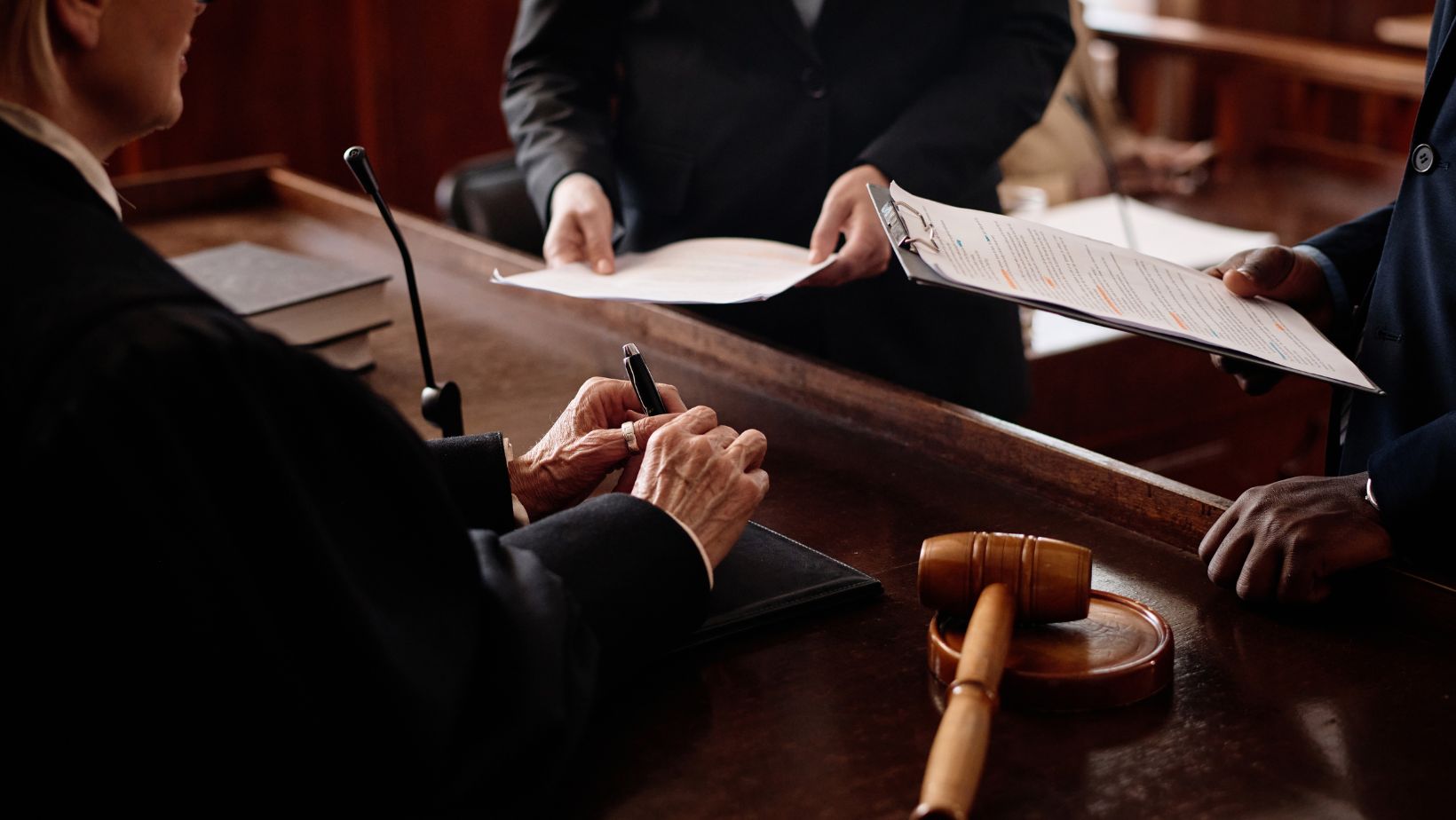
Probate administration hearings play a central role in the probate process because they allow courts to supervise the administration of an estate and ensure that a deceased person’s assets are handled properly. For many families, probate seems like a stack of paperwork that moves quietly through the court system. In reality, important hearings often shape the direction of the entire estate administration process. These hearings can determine who manages the estate, how disputes are resolved, whether a will is valid, and when beneficiaries ultimately receive their inheritance.
For people unfamiliar with probate, the courtroom aspect often comes as a surprise.
Imagine a family in Texas after the death of a parent. The family assumes the will simply gets filed, property gets distributed, and the process ends. Instead, they learn that several court appearances may be required before the estate can be fully administered. Questions arise about the executor, creditor claims, property ownership, and estate accounting. Suddenly, probate becomes much more than paperwork.
This is exactly why probate administration hearings matter.
Every hearing serves a specific purpose. Some are routine and last only a few minutes. Others involve intense legal disputes that may determine the future of family property, business interests, and inheritance rights. Understanding the different hearings that may occur during probate administration helps beneficiaries, executors, and heirs prepare for what lies ahead.

Why Probate Administration Hearings Exist
Probate courts oversee estate administration to ensure fairness and compliance with the law.
Court Supervision Protects Everyone
Probate administration hearings help protect:
- Beneficiaries
- Creditors
- Executors
- Heirs
Without court oversight, disputes and mistakes could become much more common.
Not Every Estate Requires Multiple Hearings
Some probate cases move smoothly and require minimal court involvement.
Others involve:
- Contested wills
- Family disputes
- Missing heirs
- Creditor conflicts
These situations often require additional hearings.
What Happens Before the First Probate Hearing?
Before the court becomes involved, someone usually initiates the probate process.
A Probate Application Is Filed
Typically, an interested party files documents requesting probate administration.
This person may be:
- The executor named in the will
- A family member
- An attorney
Documents Are Reviewed
The court examines:
- The will
- Death certificates
- Probate applications
before scheduling the first hearing.
The Initial Probate Administration Hearing
The first hearing is often one of the most important.
Why It Matters
This hearing may determine:
- Whether the will is admitted to probate
- Whether an executor is appointed
- Whether administration can proceed
A Real-Life Style Example
A woman passes away leaving a valid will naming her oldest son as executor.
At the first probate administration hearing, the court reviews the will and hears testimony confirming its authenticity.
The judge approves the appointment and officially authorizes estate administration.
Without this hearing, the executor may lack legal authority to act.
Probate Administration Hearings and Will Validation
Many probate cases involve a hearing focused on the will itself.
Courts Must Confirm Validity
Judges often examine whether:
- The will was properly signed
- Witness requirements were met
- Legal formalities were satisfied
Why Validation Matters
An invalid will can dramatically change inheritance outcomes.
Because of this, probate administration hearings involving will validation are often critical.
Executor Appointment Hearings
Executors cannot always assume authority automatically.
The Court May Need to Approve the Appointment
Judges often evaluate:
- Eligibility
- Qualifications
- Potential conflicts
Why This Hearing Matters
The executor controls:
- Estate assets
- Financial decisions
- Administrative actions
Courts take these appointments seriously.
Probate Administration Hearings and Independent Administration
Texas often allows independent administration.
What Independent Administration Means
Independent executors generally operate with less court supervision after appointment.
The Initial Hearing Remains Important
Even when independent administration applies, court approval often remains necessary at the beginning.
This hearing establishes legal authority moving forward.
Heirship Hearings
Some estates proceed without valid wills.
Why Heirship Hearings Occur
When no will exists, courts must determine:
- Who the legal heirs are
- How property should be distributed
Family Relationships Become Important
Evidence may involve:
- Birth records
- Marriage records
- Testimony
Heirship hearings often become central probate administration hearings in intestate estates.
Will Contest Hearings
Not every family agrees that a will should be accepted.
Common Challenges Include
Allegations involving:
- Lack of capacity
- Undue influence
- Forgery
- Fraud
Why These Hearings Become Contentious
Inheritance rights often depend entirely on the outcome.
Will contest hearings may become some of the most emotionally charged probate administration hearings.
Probate Administration Hearings Involving Creditor Claims
Creditors frequently appear in probate matters.
Estates Must Address Valid Debts
Common claims include:
- Medical bills
- Credit card balances
- Loans
Why Hearings May Be Necessary
Disputes sometimes arise regarding:
- Claim validity
- Claim amounts
- Payment priorities
The court may need to resolve disagreements.
Inventory Approval Hearings
Executors often prepare inventories identifying estate assets.
What Inventories Include
They may list:
- Real estate
- Bank accounts
- Investments
- Personal property
Why Courts Review Inventories
Accurate inventories help ensure:
- Proper administration
- Transparency
- Fair distributions
Certain probate administration hearings focus heavily on asset identification.
Probate Administration Hearings and Asset Disputes
Property ownership disputes occur regularly.
Common Questions Include
- Who owns specific assets?
- Did property transfer before death?
- Are assets part of the estate?
Why Hearings Become Necessary
Judges often must resolve competing claims before administration can continue.
Real Estate Hearings During Probate
Real property frequently becomes a major issue.
Estates Often Include
- Family homes
- Rental properties
- Ranches
- Land
Court Approval May Be Required
Certain property transactions may require probate administration hearings before sales or transfers occur.
Family Business Disputes
Businesses often create complicated probate issues.
Questions May Arise About
- Ownership interests
- Management authority
- Valuation
Probate Administration Hearings Provide Answers
The court may need to determine how business assets should be handled.
Probate Administration Hearings and Missing Beneficiaries
Sometimes heirs cannot be located.
Why This Creates Problems
Executors must make reasonable efforts to identify and locate beneficiaries.
Courts May Become Involved
Judges sometimes review:
- Search efforts
- Notice procedures
before allowing administration to continue.
Accounting Hearings
Financial accountability remains important throughout probate.
Executors Often Prepare Accountings
These reports may show:
- Income received
- Expenses paid
- Remaining assets
Why Courts Review Them
Accounting hearings help ensure estate funds were managed properly.
Probate Administration Hearings and Allegations of Misconduct
Not every executor performs duties properly.
Common Allegations Include
- Mismanagement
- Self-dealing
- Failure to communicate

Courts Can Investigate
Probate administration hearings may address concerns involving executor conduct.
Removal Hearings for Executors
Serious issues sometimes justify removal.
Reasons May Include
- Fraud
- Incompetence
- Failure to perform duties
The Court Makes the Decision
Removal hearings determine whether the executor should continue serving.
Guardianship-Related Probate Hearings
Some estates involve minor beneficiaries.
Additional Protection May Be Needed
Children cannot always manage inherited assets directly.
Courts May Review
- Guardianship appointments
- Asset management plans
These hearings help protect vulnerable beneficiaries.
Probate Administration Hearings and Settlement Agreements
Many disputes settle before trial.
Courts Often Review Settlements
Judges may examine agreements involving:
- Property divisions
- Family disputes
- Will contests
Why Approval Matters
Court review helps ensure settlements comply with legal requirements.
Tax-Related Probate Hearings
Tax issues occasionally require judicial attention.
Common Concerns Include
- Estate obligations
- Tax disputes
- Administrative questions
Hearings May Clarify Responsibilities
Although taxes are not the focus of every estate, they sometimes become relevant.
Probate Administration Hearings and Estate Liquidation
Selling estate assets may require court involvement.
Why Liquidation Occurs
Assets may need to be sold to:
- Pay debts
- Fund distributions
- Resolve disputes
Courts May Review Transactions
Certain sales require judicial approval.
Distribution Hearings
Eventually, beneficiaries expect distributions.
The Final Stage Approaches
Executors seek authority to distribute remaining assets.
Courts May Review Plans
Distribution hearings help ensure:
- Proper allocations
- Compliance with wills
- Legal accuracy
These hearings often represent the beginning of the end of probate administration.
Closing Hearings
Every probate case eventually concludes.
Why Closing Hearings Matter
The court reviews whether:
- Duties were completed
- Assets were distributed
- Obligations were satisfied
Official Closure Occurs
The estate administration process formally ends.
Probate Administration Hearings and Family Conflict
Family disagreements often influence probate proceedings.
Common Sources of Conflict
Include:
- Inheritance expectations
- Property disputes
- Executor decisions
Hearings Provide Resolution
The court serves as a neutral decision-maker when families cannot agree.
How Long Probate Administration Hearings Take
Duration varies significantly.
Routine Hearings May Last Minutes
Simple matters often move quickly.
Contested Hearings May Last Much Longer
Complex disputes sometimes involve:
- Multiple witnesses
- Extensive evidence
- Legal arguments
Length depends heavily on the issues involved.
Witness Testimony During Probate Hearings
Witnesses sometimes play important roles.
Witnesses May Address
- Will execution
- Family relationships
- Asset ownership
Credibility Matters
Judges often rely on witness testimony when resolving disputes.
Preparing for Probate Administration Hearings
Preparation improves outcomes.
Executors Often Gather
- Financial records
- Property documents
- Court filings
Beneficiaries Should Stay Informed
Understanding the issues helps participants navigate hearings effectively.
Why Probate Administration Hearings Feel Intimidating
Many people have never appeared in court before.
Common Concerns Include
- Speaking before a judge
- Legal terminology
- Procedural rules
Preparation Reduces Anxiety
Understanding the purpose of each hearing often makes the process less intimidating.
Technology and Modern Probate Hearings
Court procedures continue evolving.
Some Hearings May Use Technology
Including:
- Virtual appearances
- Electronic filings
Efficiency Continues Improving
Modern courts increasingly use technology to streamline administration.
Lessons Families Learn Too Late
Many people assume probate is simple.
Common Realizations Include
- Multiple hearings may occur
- Court supervision matters
- Documentation is critical
These lessons often emerge only after probate begins.
Why Legal Guidance Helps
Probate law contains many technical requirements.
Professionals Often Assist With
- Court filings
- Hearing preparation
- Dispute resolution
Guidance Reduces Mistakes
Proper preparation often improves efficiency and reduces stress.

Conclusion
Probate administration hearings serve as the backbone of the probate process by allowing courts to supervise estate administration, resolve disputes, protect beneficiaries, and ensure legal compliance. While some hearings are routine and administrative, others involve significant issues such as will contests, heirship disputes, creditor claims, executor misconduct allegations, and asset distribution questions.
Each hearing serves a specific purpose. Some establish authority, others resolve conflicts, and many help ensure estate assets are managed and distributed properly. The complexity of these hearings varies widely depending on the size of the estate, the existence of a valid will, the level of family cooperation, and the nature of any disputes that arise.
For beneficiaries, executors, and heirs, understanding probate administration hearings helps reduce uncertainty and creates more realistic expectations about the probate process. Court appearances may seem intimidating at first, but they play an essential role in ensuring estates are administered fairly and according to the law.
Ultimately, probate administration hearings provide the structure and oversight necessary to move estates from uncertainty to resolution, helping families navigate one of the most important legal processes that follows the loss of a loved one.