Skip to content
Probate will forgery claims often turn ordinary inheritance disputes into emotionally explosive courtroom battles where family members accuse one another of fraud, manipulation, and betrayal. Few probate allegations create more tension than someone claiming a will was forged. The moment those accusations appear, everything changes. What may have started as a routine probate case suddenly becomes a legal investigation into signatures, family relationships, witness credibility, and the true intentions of the person who died.
For many families, forged will allegations feel deeply personal.
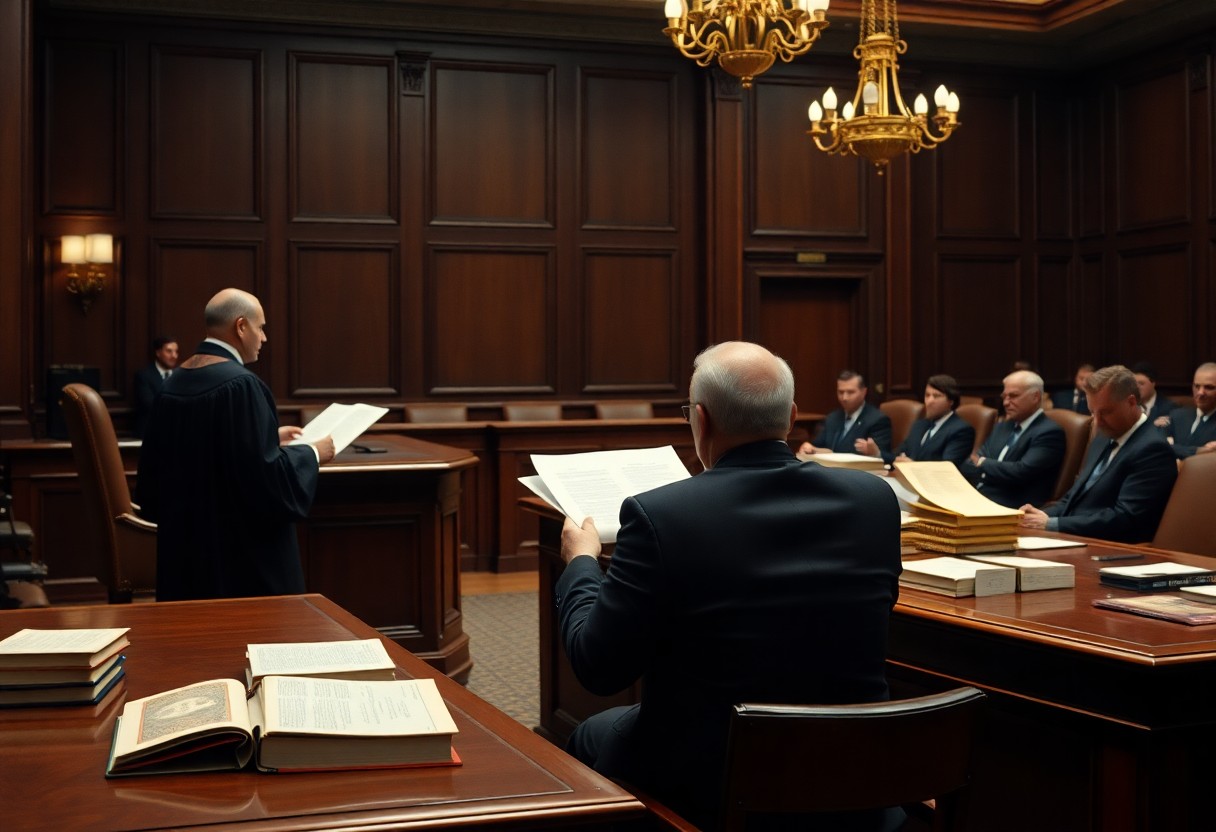
Imagine three siblings sitting in a probate courtroom after their father’s death. A newly discovered will suddenly leaves almost the entire estate to one child, even though previous versions divided everything equally. The signature looks slightly different. The witnesses are unfamiliar names. One sibling insists the document is fake. Another claims their father changed his mind before death. The family that once gathered peacefully during holidays now barely speaks to one another.
This is exactly how many probate will forgery claims begin.
Probate courts treat forged will allegations seriously because a fraudulent will can completely alter inheritance rights. If a forged document enters probate successfully, rightful heirs may lose homes, savings, land, businesses, and family property permanently.
At the same time, not every accusation of forgery is true. Sometimes disappointed heirs simply dislike the contents of a valid will and assume fraud occurred because the distribution feels unfair.
That is why probate courts rely heavily on evidence rather than emotion when handling probate will forgery claims.

Why Probate Will Forgery Claims Happen So Often
Inheritance disputes often involve large amounts of money, property, and emotional history.
When people feel excluded from a will, suspicion grows quickly.
Common Reasons Family Members Suspect Forgery
Relatives often become suspicious when:
- A new will appears unexpectedly
- One heir receives dramatically more property
- The signature looks unusual
- Witnesses are unfamiliar
- The deceased was seriously ill
- The will was created shortly before death
These situations naturally raise questions.
Emotional History Makes Everything Worse
Probate disputes rarely involve money alone.
Old family tensions often resurface, including:
- Sibling rivalries
- Favoritism claims
- Caregiving resentment
- Estranged relationships
A forged will allegation may reflect years of emotional conflict inside the family.
What Probate Courts Mean by Forgery
Forgery involves creating, altering, or signing a will fraudulently.
Examples of Possible Forgery
This may include:
- Faking the deceased person’s signature
- Altering pages after signing
- Replacing portions of the document
- Creating an entirely false will
- Forging witness signatures
Why Courts Treat Forgery Seriously
Forgery attacks the integrity of the probate system itself.
If courts accepted fraudulent wills easily:
- Legitimate heirs could lose inheritance rights
- Property ownership would become unstable
- Fraudulent actors would benefit financially
Because of this, probate will forgery claims receive careful legal scrutiny.
The Difference Between Forgery and Undue Influence
Families sometimes confuse forgery with undue influence.
Forgery Involves Fake Documents
Forgery focuses on whether:
- The signature is genuine
- The document was altered
- Witnesses actually signed
Undue Influence Involves Pressure
Undue influence claims argue:
- Someone manipulated the deceased
- Emotional pressure affected decisions
- Vulnerable individuals were controlled
Both issues may appear together, but they are legally different claims.
How Probate Courts Investigate Forged Will Allegations
Probate courts rely heavily on evidence.
Judges do not invalidate wills simply because family members are upset or suspicious.
Common Evidence Courts Review
Probate will forgery claims often involve:
- Handwriting analysis
- Witness testimony
- Medical records
- Prior estate documents
- Notary records
- Emails and text messages
The court’s goal is determining whether the will genuinely reflects the wishes of the deceased.
Handwriting Experts and Signature Analysis
Handwriting experts frequently become central figures in probate will forgery claims.
What Experts Examine
Specialists compare:
- Signature patterns
- Writing pressure
- Letter formations
- Ink characteristics
- Historical signatures
Why Signature Differences Matter
A signature may vary naturally over time due to:
- Age
- Illness
- Medication
- Physical weakness
Because of this, courts rely on expert analysis rather than simple visual comparisons from family members.
A Real-Life Style Example of Probate Will Forgery Claims
An elderly woman in Texas dies leaving behind substantial ranch property and mineral rights. A will suddenly appears leaving nearly everything to a distant nephew who recently became involved in her finances.
Her children immediately become suspicious because:
- Previous wills divided assets equally
- The signature appears shaky
- The witnesses are unknown
- The will surfaced only after death
The probate court orders handwriting analysis and reviews medical records showing the woman suffered severe dementia during the alleged signing period.
The case becomes a full probate trial focused on whether the document was forged or invalid.
Situations like this happen more often than many people realize.
Why Last-Minute Wills Raise Suspicion
Probate will forgery claims often involve wills created shortly before death.
Why Timing Matters
Families naturally question:
- Why sudden changes occurred
- Whether the deceased understood the document
- Whether someone manipulated the situation
Illness Creates Vulnerability Concerns
Terminal illness, dementia, or heavy medication may raise questions about:
- Mental capacity
- Physical ability to sign
- Susceptibility to fraud
Courts examine these circumstances carefully.
Witness Testimony in Forged Will Cases
Witnesses play a critical role in probate litigation.
What Witnesses Usually Confirm
Witnesses may testify about:
- Who signed the will
- Whether the deceased appeared alert
- Whether pressure existed
- Whether legal procedures were followed
Why Witness Credibility Matters
If witnesses provide inconsistent stories, probate will forgery claims become much stronger.
Courts evaluate:
- Relationship bias
- Memory reliability
- Personal interests in the estate
The Role of Notaries in Probate Cases
Notarized wills often carry stronger legal credibility.
Why Notaries Matter
Notaries confirm:
- Identity verification
- Signature authenticity
- Voluntary signing
But Notarization Is Not Foolproof
Forgery can still occur even with notarization.
Some probate will forgery claims involve allegations that:
- The notary never witnessed signing
- False identification was used
- Documents were altered later
Courts investigate these claims carefully.
Family Caregivers and Forgery Allegations
Caregivers frequently become targets of suspicion.
Why Caregivers Face Scrutiny
Caregivers often:
- Spend significant time with elderly relatives
- Control access to finances
- Influence daily decisions
When caregivers inherit large portions of estates, other family members sometimes suspect fraud immediately.
Not Every Caregiver Is Acting Improperly
Some caregivers genuinely provide years of support and naturally receive greater inheritance because of close relationships.
Courts must separate suspicion from actual evidence.
Probate Will Forgery Claims and Dementia
Cognitive decline plays a major role in many contested probate cases.
Why Dementia Creates Complications
Conditions like Alzheimer’s disease affect:
- Memory
- Judgment
- Decision-making
- Signature consistency
Courts Examine Medical Records Closely
Judges often review:
- Doctor notes
- Medication records
- Cognitive evaluations
- Care facility documentation
These records help determine whether the deceased likely understood the document being signed.
How Technology Changed Forged Will Investigations
Modern probate litigation increasingly involves digital evidence.
Common Digital Evidence
This may include:
- Emails
- Text messages
- Electronic drafts
- Printer records
- Surveillance footage
Why Digital Trails Matter
Technology may reveal:
- When documents were created
- Who edited files
- Communication about inheritance plans
Digital evidence now plays a major role in probate will forgery claims.
Why Families Sometimes Make False Forgery Accusations
Not every forgery allegation is legitimate.
Emotional Reactions Drive Many Claims
Relatives sometimes assume fraud occurred simply because:
- They expected larger inheritances
- Relationships were strained
- Estate distributions changed unexpectedly
Unfair Does Not Always Mean Illegal
A parent has legal authority to distribute assets unequally in many situations.
Disappointment alone does not prove forgery.
How Probate Courts Decide Forgery Cases
Judges evaluate:
- Physical evidence
- Witness testimony
- Expert opinions
- Circumstantial evidence
The Burden of Proof Matters
The person alleging forgery usually must provide substantial evidence supporting the claim.
Courts do not invalidate wills lightly.
Common Signs Families Watch For
Certain warning signs often trigger probate will forgery claims.
Examples Include
- Sudden inheritance changes
- Missing original documents
- Secretive behavior
- Isolated elderly relatives
- Unfamiliar witnesses
- Handwritten alterations
These red flags often motivate heirs to investigate further.
Probate Litigation Can Become Extremely Expensive
Forged will cases are often costly.
Common Expenses
Families may pay for:
- Probate attorneys
- Handwriting experts
- Medical experts
- Court costs
- Discovery procedures
Large estates sometimes spend enormous amounts litigating authenticity disputes.
Emotional Damage During Probate Battles
Forgery allegations destroy family relationships quickly.
Common Emotional Consequences
Relatives may experience:
- Betrayal
- Anger
- Distrust
- Depression
- Isolation

Some families never recover emotionally after inheritance litigation.
Why Probate Courts Focus on Procedure
Proper legal procedures help prevent fraud.
Courts Examine Whether:
- Witnesses signed correctly
- The deceased signed voluntarily
- Legal formalities were followed
- Documents remained secure
Procedural failures may strengthen probate will forgery claims significantly.
Handwritten Wills and Forgery Risks
Texas allows holographic wills under certain conditions.
These are handwritten wills created entirely in the deceased person’s handwriting.
Why Holographic Wills Create Disputes
Family members may argue:
- The handwriting is fake
- Pages were added later
- Alterations occurred
Because no witnesses may exist, these cases often become highly contested.
The Importance of Original Documents
Original wills usually carry more credibility than copies.
Missing Originals Raise Questions
If only photocopies exist, courts may ask:
- Was the original destroyed intentionally?
- Did someone hide the original?
- Was the document altered?
Missing originals often complicate probate will forgery claims substantially.
How Attorneys Build Forgery Cases
Probate lawyers often conduct detailed investigations.
Common Strategies Include
- Comparing old signatures
- Reviewing banking records
- Interviewing witnesses
- Examining medical history
- Investigating financial motives
Strong cases usually involve multiple pieces of supporting evidence.
Why Motive Matters in Forgery Claims
Courts often consider who benefits from the disputed will.
Financial Incentives Create Suspicion
If one person suddenly inherits:
- Millions of dollars
- Valuable land
- Business interests
while others are excluded completely, courts may examine the circumstances more carefully.
But Motive Alone Is Not Enough
Suspicion does not prove fraud automatically.
Evidence remains critical.
Probate Will Forgery Claims Involving Real Estate
Real estate disputes become especially serious because property ownership depends on valid probate rulings.
Why Property Creates Major Litigation
Homes, ranches, and mineral rights often involve:
- High financial value
- Emotional attachment
- Generational inheritance expectations
Forgery allegations involving family land frequently become emotionally explosive.
Settlement Agreements in Probate Cases
Not every forged will dispute reaches trial.
Why Families Settle
Litigation may:
- Drain estate assets
- Last for years
- Destroy relationships permanently
Settlement sometimes offers faster resolution.
Common Settlement Terms
Agreements may involve:
- Property divisions
- Buyout payments
- Shared ownership arrangements
However, deeply emotional forgery allegations often make settlement difficult.
Why Estate Planning Prevents Forgery Problems
Good estate planning dramatically reduces litigation risks.
Important Protective Steps
These include:
- Working with experienced attorneys
- Updating documents regularly
- Using proper witnesses
- Storing originals securely
- Communicating intentions clearly
Professional estate planning creates stronger evidence of authenticity.
Family Secrecy Often Increases Litigation
Many probate disputes worsen because families never discussed inheritance plans openly.
Lack of Communication Creates Suspicion
When relatives feel surprised by estate distributions, they may immediately assume manipulation or forgery occurred.
Transparency can reduce confusion significantly.
Criminal Consequences for Actual Forgery
Will forgery is not just a probate issue.
It may also create criminal liability.
Possible Criminal Charges
These may include:
- Fraud
- Forgery
- Theft
- Tampering with government records
Individuals caught forging estate documents may face both civil and criminal consequences.
The Psychological Side of Forged Will Claims
Inheritance disputes often reflect deeper emotional struggles.
Probate Battles Are Rarely Just About Money
They may involve:
- Childhood resentment
- Parental approval
- Sibling competition
- Emotional validation
Forgery allegations sometimes become symbolic fights over family identity and fairness.
How Long Forged Will Cases Last
Complex probate litigation can continue for years.
Delays Often Involve
- Expert investigations
- Discovery disputes
- Witness scheduling
- Appeals
Large estates and contested family dynamics increase litigation length significantly.
Why Courts Take Neutral Approaches
Probate judges must remain neutral fact-finders.
Courts Focus on Evidence, Not Emotion
Judges examine:
- Legal validity
- Signature authenticity
- Procedural compliance
Emotional accusations alone rarely determine outcomes.
Lessons Families Learn Too Late
Many families only recognize the importance of proper estate planning after probate litigation begins.
Common Realizations
People often discover:
- Verbal promises mean little legally
- Informal paperwork creates risks
- Family assumptions cause conflict
- Delayed planning increases litigation

These lessons usually arrive during emotionally painful circumstances.
Conclusion
Probate will forgery claims remain some of the most emotionally intense and legally complicated disputes probate courts handle because they challenge the authenticity of a deceased person’s final wishes. When families accuse someone of forging a will, the conflict quickly becomes about more than inheritance. It becomes a battle involving trust, family relationships, financial motives, and emotional history.
Probate courts take forged will allegations seriously because fraudulent documents can completely alter property ownership and inheritance rights. Judges rely heavily on evidence such as handwriting analysis, witness testimony, medical records, notary documentation, and digital evidence to determine whether a will is authentic.
At the same time, not every unfair-looking will is forged. Some individuals intentionally change estate plans, favor certain heirs, or exclude relatives for deeply personal reasons. Probate courts focus on legal validity rather than emotional expectations.
The emotional damage caused by probate will forgery claims can last for generations. Families often become permanently divided after inheritance battles, especially when accusations involve fraud, manipulation, or betrayal.
Proper estate planning remains the strongest protection against these disputes. Legally drafted wills, clear communication, updated documents, and secure recordkeeping help reduce confusion and prevent future litigation.
For families already facing probate will forgery claims, understanding how probate courts evaluate evidence and investigate authenticity is critical. These cases are rarely simple, and the outcome may permanently shape both financial futures and family relationships for years to come.