Skip to content
Probate wrongful death proceeds often create confusion for families navigating both grief and legal complexity, and probate wrongful death proceeds do not always follow the same path as other estate assets. Many assume that any money received after a death automatically becomes part of the estate. However, wrongful death settlements operate under different rules. This distinction can significantly affect who receives the funds and how they are distributed. It also determines whether probate is even involved. In many cases, this difference becomes clear only after the settlement is reached. It also highlights how legal classifications can shape financial outcomes.
Picture a family in Houston dealing with the loss of a loved one after an accident. A lawsuit is filed, and eventually, a settlement is reached. Relief mixes with uncertainty. The question arises: does this money go through probate, or does it go directly to certain individuals? That moment introduces a critical legal distinction. It also shows how different types of claims lead to different outcomes. This uncertainty can make an already difficult situation more complex. It also emphasizes the importance of understanding how these processes work.
That realization changes expectations. It shifts how families think about inheritance and distribution. It also clarifies that not all funds follow the same legal path.
Understanding probate wrongful death proceeds helps explain how settlements are treated—and why they may bypass the probate process entirely. This knowledge provides clarity during a confusing time. It also helps families make more informed decisions about the future.
What Wrongful Death Proceeds Actually Are
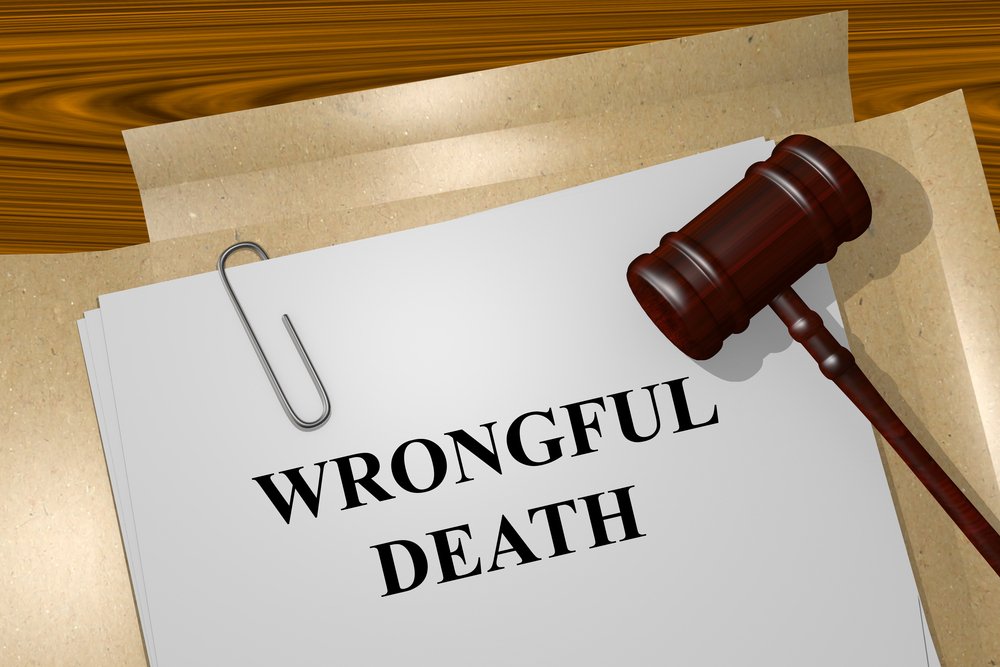
Wrongful death proceeds come from a legal claim brought when someone’s death is caused by another party’s actions. These claims are separate from the estate itself. They are designed to compensate surviving family members rather than the deceased. This distinction is central to how the funds are handled. It also explains why they are treated differently from other assets.
In probate wrongful death proceeds situations, these funds may cover:
- Loss of financial support
- Emotional suffering
- Loss of companionship
- Funeral and burial costs
Each of these elements reflects harm experienced by survivors. Together, they form the basis of the claim. These categories also highlight the personal nature of the compensation.
Each of these elements reflects harm experienced by survivors. Together, they form the basis of the claim. This approach ensures that compensation is directed toward those directly affected. It also reinforces the purpose of the legal action.
From an analytical perspective, wrongful death proceeds are not owned by the deceased. Instead, they belong to specific beneficiaries defined by law. This distinction separates them from traditional estate assets. It also determines how they are distributed.
Why These Proceeds Are Treated Differently
The key difference lies in ownership. This concept drives how the funds are handled legally. It also explains why probate may not apply.
Assets in an estate belong to the deceased person at the time of death. In contrast, wrongful death proceeds arise after death and are intended for survivors. This timing difference is significant. It creates a clear separation between estate assets and settlement funds.
Because of this:
- They may not become part of the estate
- They may bypass probate entirely
- They may be distributed directly to eligible family members
Each of these outcomes reflects the unique nature of wrongful death claims. Together, they define how the funds are handled.
In probate wrongful death proceeds cases, this distinction is critical. It determines whether the probate court has authority over the funds. It also affects how quickly beneficiaries may receive compensation.
Real-Life Scenario: Separate Paths for Assets
Consider a case in Dallas.
A person passes away, leaving behind a home, bank accounts, and personal property. At the same time, a wrongful death claim results in a settlement.
The estate assets go through probate.
The wrongful death proceeds, however, are distributed directly to the surviving spouse and children.
This creates two separate processes.
This scenario highlights how probate wrongful death proceeds follow a different legal path.
Who Receives Wrongful Death Proceeds
The law determines who can receive these funds.
Typically, eligible recipients include:
- Spouses
- Children
- Parents
The distribution may depend on:
- Family relationships
- Court determinations
- Settlement agreements

In probate wrongful death proceeds situations, these individuals receive compensation based on their personal loss.
This is different from estate distribution, which follows a will or statutory rules.
The Role of the Court in Distribution
Even though probate may not control wrongful death proceeds, courts still play a role.
They may:
- Approve settlement agreements
- Allocate funds among beneficiaries
- Resolve disputes
In probate wrongful death proceeds cases, the court ensures fairness in distribution.
However, this process is separate from traditional probate administration.
Analytical Perspective: Two Legal Frameworks
From an analytical standpoint, wrongful death claims and probate operate under two distinct frameworks.
Probate focuses on:
- Managing estate assets
- Paying debts
- Distributing property
Wrongful death claims focus on:
- Compensating survivors
- Addressing personal loss
These frameworks intersect but do not merge.
Understanding this distinction helps clarify how probate wrongful death proceeds are handled.
How Settlements Are Structured
Wrongful death settlements can be structured in different ways.
They may include:
- Lump-sum payments
- Structured payouts over time
In probate wrongful death proceeds situations, the structure affects:
- Timing of payments
- Financial planning for beneficiaries
Each option has implications for long-term stability.
Real-Life Style Example: Structured Payments
Imagine a case in Austin.
A family receives a structured settlement. Payments are distributed over several years.
This arrangement provides:
- Ongoing financial support
- Predictable income
It also requires planning.
This example shows how probate wrongful death proceeds can extend beyond a single event.
Interaction Between Probate and Wrongful Death Claims
Although separate, these processes can overlap.
For example:
- Estate representatives may initiate claims
- Settlement funds may affect estate planning decisions
In probate wrongful death proceeds cases, coordination is important.
Misunderstanding the relationship can create confusion.
Debts and Wrongful Death Proceeds
One common question involves debts.
Estate assets are typically used to pay debts.
However, wrongful death proceeds are often protected from:
- Estate creditors
- Certain financial claims
This protection reinforces their purpose as compensation for survivors.
In probate wrongful death proceeds situations, this distinction is significant.

Tax Considerations
Tax treatment varies depending on the nature of the proceeds.
Some portions of a settlement may be:
- Non-taxable
- Subject to specific rules
In probate wrongful death proceeds cases, understanding tax implications is essential.
It helps beneficiaries plan effectively.
Emotional Impact on Families
Financial matters often intersect with emotional challenges. When legal questions arise, they rarely feel purely technical. Instead, they tend to amplify the stress families are already experiencing.
Families may feel:
- Overwhelmed by legal complexity
- Uncertain about distribution
- Concerned about fairness
Each of these emotions reflects the uncertainty surrounding the process. Together, they can make decision-making more difficult.
Understanding probate wrongful death proceeds can reduce confusion. It helps separate legal facts from assumptions. In many cases, this clarity brings a sense of direction during a difficult time.
It also provides clarity during a difficult time. This understanding allows families to focus on practical steps. Over time, it can ease some of the emotional burden tied to uncertainty.
Common Misconceptions
Several misconceptions exist. These misunderstandings often lead to incorrect expectations. Addressing them early can prevent unnecessary confusion.
Some believe:
- All settlement funds go through probate
- The will controls distribution
- Creditors can claim wrongful death proceeds
In reality:
- Distribution follows specific laws
- Probate may not apply
- Protections often exist for beneficiaries
Each of these points reflects how the law treats wrongful death proceeds differently. Together, they clarify the actual process.
Clarifying these points helps avoid misunderstandings. It also helps families approach the situation with accurate expectations. In many cases, this awareness prevents disputes.
Long-Term Financial Impact
Wrongful death proceeds can shape financial futures. They often represent a significant source of support. This makes careful planning essential.
They may:
- Replace lost income
- Support dependents
- Influence long-term planning
Each of these roles highlights the importance of managing the funds wisely. Together, they affect financial stability over time.
In probate wrongful death proceeds situations, careful management is important. It helps ensure that funds are used effectively. It also supports long-term financial security for beneficiaries.
Practical Considerations for Families
Families should consider:
- Understanding eligibility rules
- Reviewing settlement terms
- Planning for long-term use

Each of these steps builds a clearer understanding of the situation. Together, they support informed decision-making.
These steps support informed decisions. They also reduce the risk of confusion later. In many cases, preparation leads to better outcomes.
They also help ensure that proceeds serve their intended purpose. This purpose often extends beyond immediate needs. It includes long-term financial stability and support.
Conclusion
Probate wrongful death proceeds illustrate how not all financial matters after a death follow the same path. While probate manages estate assets, wrongful death settlements focus on compensating survivors. This distinction defines how funds are handled. It also shapes how beneficiaries receive them.
By understanding the distinction, individuals can navigate both processes more effectively and ensure that funds are handled in accordance with the law. This knowledge provides clarity during a complex time. Over time, it also supports better financial and legal decisions.