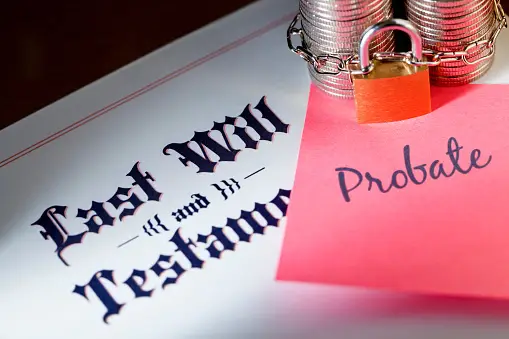
Understanding the Role of Executors in Texas Probate
The executor plays a crucial role in the probate process, acting as the appointed individual responsible for managing the deceased's estate. This includes settling debts, distributing assets according to the will, and ensuring that all legal obligations are met during the probate proceedings.
In Texas, an executor must adhere to specific legal requirements, such as filing the will with the court and notifying beneficiaries. Additionally, the executor must keep accurate records and may need to provide an accounting of the estate's finances to the court, ensuring transparency and compliance with state laws.
Common Mistakes to Avoid When Creating a Will in Texas
Creating a will is an essential step in estate planning, but many individuals make common mistakes that can lead to complications later on. These mistakes include not clearly defining beneficiaries, failing to update the will after major life events, or neglecting to have the document properly witnessed and notarized.
To avoid these pitfalls, it is advisable to consult with an estate planning attorney who can provide guidance tailored to Texas laws. Ensuring that your will is comprehensive and legally sound can prevent disputes among heirs and facilitate a smoother probate process.
Exploring Trusts as an Alternative to Wills in Texas
Trusts can serve as a powerful estate planning tool, offering advantages over traditional wills. Unlike wills, which go through probate, trusts can allow for the direct transfer of assets to beneficiaries, potentially saving time and reducing costs associated with probate proceedings.
In Texas, various types of trusts exist, such as revocable living trusts and irrevocable trusts, each serving different purposes. By establishing a trust, individuals can maintain greater control over their assets during their lifetime and ensure a seamless transition to their heirs upon death, all while minimizing tax implications.
What to Expect During the Texas Probate Process
The probate process in Texas can be complex and often varies depending on the size and nature of the estate. Typically, the process begins with filing an application for probate in the appropriate county court, followed by a series of steps that include validating the will, notifying creditors, and distributing assets to beneficiaries.
Understanding the timeline and requirements of the Texas probate process is crucial for executors and beneficiaries alike. Factors such as the estate's complexity, potential disputes among heirs, and the efficiency of the court can all influence how long the process takes, emphasizing the importance of proper legal guidance.