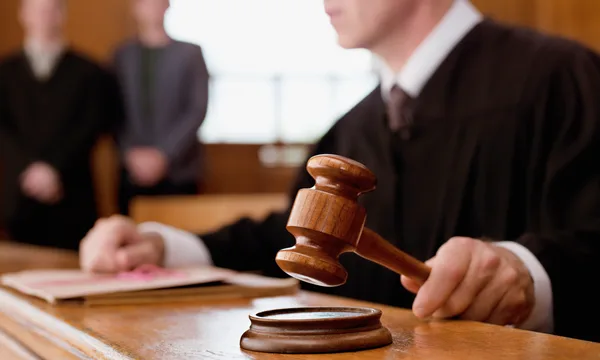
Understanding the Role of Probate Judges
Probate judges are essential figures in the legal landscape, particularly in matters concerning estate administration and the distribution of assets after death. Their primary responsibility is to oversee the probate process, ensuring that the deceased's wishes, as expressed in their will, are honored and that the estate is settled fairly and legally.
In addition to managing wills and estates, probate judges also address disputes that may arise among heirs or beneficiaries. For example, they may rule on the validity of a will or resolve conflicts regarding the interpretation of its terms. Their decisions can significantly impact the financial and emotional well-being of families navigating these challenging times.
Common Misconceptions About Probate Court
Many individuals harbor misconceptions about probate court, often believing it to be a lengthy and overly complicated process. While probate can indeed be intricate, understanding its basic functions can demystify the experience for those involved. For instance, some may think that all estates must go through probate, when in fact, certain assets can bypass this process through various legal mechanisms.
Another common myth is that probate courts are solely for the wealthy. In reality, probate courts handle estates of all sizes, and the process is designed to ensure that all individuals receive fair treatment under the law, regardless of the estate's value. Educating oneself about these misconceptions can lead to a more positive experience in probate proceedings.
Steps Involved in the Probate Process
The probate process typically involves several key steps that must be followed to ensure the proper administration of an estate. Initially, the court must validate the deceased's will, if one exists, and appoint a personal representative or executor to manage the estate's affairs. This step is crucial as it establishes who has the legal authority to act on behalf of the estate.
Following the appointment, the executor is responsible for inventorying the estate's assets, paying outstanding debts, and distributing the remaining assets to beneficiaries. Each of these steps requires careful attention to detail and adherence to legal requirements, which is why many individuals seek the guidance of an experienced probate attorney to navigate the complexities involved.
When to Seek Legal Advice in Probate Matters
Engaging a probate attorney can be vital in various situations, especially when the estate is large or complex. Legal representation is particularly important if there are disputes among heirs or if the validity of the will is challenged. An attorney can provide essential guidance on how to handle these disputes effectively and ensure compliance with all legal requirements.
Moreover, even in straightforward cases, having legal advice can help prevent costly mistakes that could delay the probate process. An attorney can assist with paperwork, deadlines, and court appearances, allowing the executor to focus on the emotional aspects of settling an estate while ensuring that all legal obligations are met.
Understanding the Role of Probate Judges
Probate judges are essential figures in the legal landscape, particularly in matters concerning estate administration and the distribution of assets after death. Their primary responsibility is to oversee the probate process, ensuring that the deceased's wishes, as expressed in their will, are honored and that the estate is settled fairly and legally.
In addition to managing wills and estates, probate judges also address disputes that may arise among heirs or beneficiaries. For example, they may rule on the validity of a will or resolve conflicts regarding the interpretation of its terms. Their decisions can significantly impact the financial and emotional well-being of families navigating these challenging times.
Common Misconceptions About Probate Court
Many individuals harbor misconceptions about probate court, often believing it to be a lengthy and overly complicated process. While probate can indeed be intricate, understanding its basic functions can demystify the experience for those involved. For instance, some may think that all estates must go through probate, when in fact, certain assets can bypass this process through various legal mechanisms.
Another common myth is that probate courts are solely for the wealthy. In reality, probate courts handle estates of all sizes, and the process is designed to ensure that all individuals receive fair treatment under the law, regardless of the estate's value. Educating oneself about these misconceptions can lead to a more positive experience in probate proceedings.
Steps Involved in the Probate Process
The probate process typically involves several key steps that must be followed to ensure the proper administration of an estate. Initially, the court must validate the deceased's will, if one exists, and appoint a personal representative or executor to manage the estate's affairs. This step is crucial as it establishes who has the legal authority to act on behalf of the estate.
Following the appointment, the executor is responsible for inventorying the estate's assets, paying outstanding debts, and distributing the remaining assets to beneficiaries. Each of these steps requires careful attention to detail and adherence to legal requirements, which is why many individuals seek the guidance of an experienced probate attorney to navigate the complexities involved.
When to Seek Legal Advice in Probate Matters
Engaging a probate attorney can be vital in various situations, especially when the estate is large or complex. Legal representation is particularly important if there are disputes among heirs or if the validity of the will is challenged. An attorney can provide essential guidance on how to handle these disputes effectively and ensure compliance with all legal requirements.
Moreover, even in straightforward cases, having legal advice can help prevent costly mistakes that could delay the probate process. An attorney can assist with paperwork, deadlines, and court appearances, allowing the executor to focus on the emotional aspects of settling an estate while ensuring that all legal obligations are met.