Skip to content
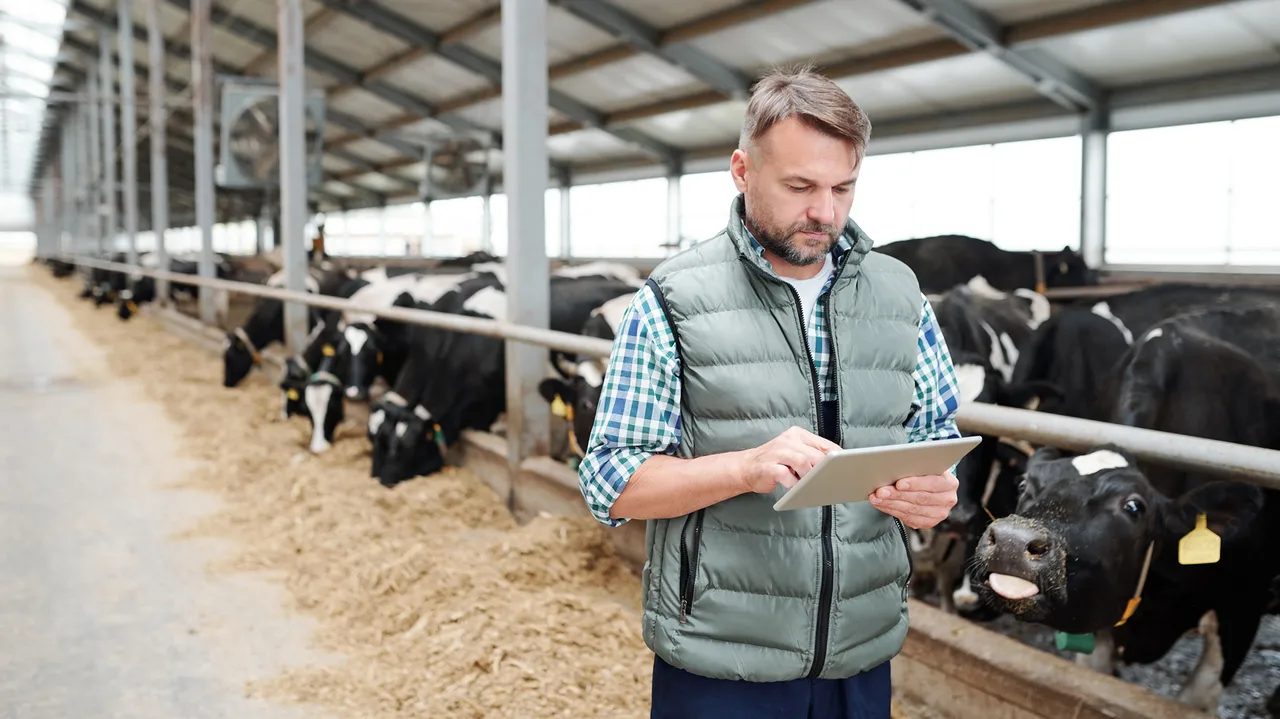
Probate livestock inheritance Texas is a subject that often becomes far more complicated than families expect. When someone inherits cattle, horses, sheep, goats, or other ranch assets, the estate may include much more than land and equipment. Livestock require daily care, ongoing expenses, veterinary attention, feeding schedules, and business decisions that cannot simply wait until probate ends. For executors and beneficiaries, managing these responsibilities while complying with Texas probate procedures can become one of the most challenging aspects of estate administration.
Imagine a ranch owner named Harold who spent decades building a successful cattle operation. After his passing, his children gather to discuss the estate, assuming the ranch can simply be divided according to the will. Instead, they quickly discover that hundreds of cattle still require feed every day, employees expect direction, equipment must remain operational, and livestock sales continue according to existing business arrangements. What initially seemed like a straightforward inheritance becomes a complex probate matter involving both estate administration and active ranch management.
Situations like Harold’s explain why understanding probate livestock inheritance Texas is important. Unlike many other assets, livestock are living property that requires continuous attention regardless of whether probate has been completed.
From an analytical perspective, probate involving livestock requires balancing estate administration, ongoing agricultural operations, beneficiary interests, and the practical realities of managing a working ranch.
Understanding Probate Livestock Inheritance Texas
Before examining specific probate issues, it helps to understand what probate livestock inheritance Texas generally involves.
The phrase refers to the probate administration of livestock and related ranch assets owned by a deceased individual.
Depending on the estate, livestock may include:
- Cattle
- Horses
- Sheep
- Goats
- Swine
- Poultry
- Other agricultural animals
These assets often become part of the probate estate unless another lawful transfer mechanism applies.
Why Livestock Presents Unique Probate Challenges
Many probate assets remain relatively unchanged while the estate is administered.
Livestock is different.
Animals require continuing care regardless of court schedules or probate timelines.
Executors may need to address:
- Feeding
- Water access
- Veterinary care
- Employee supervision
- Grazing management
- Transportation
- Marketing decisions
Because these responsibilities continue every day, prompt estate administration often becomes especially important.
Ranch Operations May Continue During Probate
A common misconception is that business activity stops after the owner’s death.
Many ranches continue operating while probate remains pending.
Ongoing activities may include:
- Livestock feeding
- Breeding programs
- Veterinary services
- Equipment maintenance
- Hay production
- Marketing livestock
- Contract fulfillment
Maintaining normal operations often helps preserve the value of the estate while probate moves forward.
The Executor’s Responsibilities
When livestock becomes part of the estate, the executor generally assumes responsibility for protecting those assets during probate.
Typical duties may include:
- Identifying livestock ownership
- Maintaining accurate records
- Protecting ranch assets
- Coordinating with ranch employees
- Managing necessary expenses
- Preserving the value of the estate

Although the executor administers the estate, every significant decision should remain consistent with applicable Texas law and any court requirements.
Identifying Estate Assets
The first stages of probate livestock inheritance Texas often involve determining exactly what property belongs to the estate.
In addition to livestock, ranch estates sometimes include:
- Grazing land
- Equipment
- Feed inventory
- Vehicles
- Trailers
- Water rights where applicable
- Agricultural supplies
Preparing an accurate inventory helps establish the foundation for the remainder of the probate process.
Ownership Records Matter
Proper documentation becomes especially important when livestock ownership must be verified.
Executors may review:
- Purchase records
- Brand registrations
- Livestock inventories
- Veterinary records
- Breeding documentation
- Sales receipts
- Tax records
These records help confirm estate ownership while simplifying later administration.
Livestock May Have Ongoing Financial Value
Livestock frequently represents more than personal property.
Working ranches often generate continuing income through:
- Livestock sales
- Breeding programs
- Agricultural operations
- Ranch-related business activities
Because income-producing assets remain active, executors often need to manage both the estate and the ongoing operation until probate concludes.
Real-Life Example
Consider a hypothetical ranch owner named Susan.
Susan owns several hundred head of cattle along with pastureland and ranch equipment.
Following her death, the executor immediately realizes that delaying management decisions could negatively affect the animals and the ranch operation.
While probate proceeds, the executor works with ranch employees to maintain feeding schedules, preserve herd health, organize financial records, and continue ordinary ranch operations until ownership can ultimately transfer according to the estate plan.
Susan’s situation demonstrates why probate livestock inheritance Texas frequently requires active management rather than passive administration.
Estate Expenses Continue
The death of the owner does not eliminate ongoing ranch expenses.
Executors may encounter continuing costs involving:
- Feed
- Veterinary services
- Employee wages
- Equipment repairs
- Fuel
- Insurance
- Property maintenance
Managing these expenses responsibly helps preserve estate assets throughout probate.
Valuing Livestock
Accurate valuation often becomes an important part of estate administration.
The value of livestock may depend on factors such as:
- Species
- Age
- Health
- Breeding status
- Market conditions
- Herd size
Because agricultural markets fluctuate, valuation sometimes requires current market information and professional assistance.
Why Every Ranch Is Different
No two ranches operate exactly alike.
Some focus primarily on cattle production.
Others involve horses, breeding programs, or diversified agricultural operations.
Likewise, estates differ in size, ownership structure, and financial complexity.
For that reason, probate livestock inheritance Texas should always be evaluated according to the specific ranch operation, the estate planning documents, and the applicable provisions of Texas probate law.
Distributing Livestock to Beneficiaries
One of the more challenging aspects of probate livestock inheritance Texas involves determining how livestock should be distributed among beneficiaries.
Unlike cash, dividing livestock is not always straightforward. Factors such as herd composition, breeding value, market conditions, and the ongoing operation of the ranch may all influence how distributions are handled.
Depending on the estate plan, beneficiaries may receive:
- Individual animals
- Percentage ownership interests
- Proceeds from livestock sales
- Other ranch-related assets
The executor generally follows the will and applicable Texas law while administering these distributions.
Ranch Employees and Daily Operations
Many working ranches rely on experienced employees to care for livestock and maintain daily operations.
During probate, ranch employees may continue performing responsibilities such as:
- Feeding livestock
- Maintaining fences
- Monitoring herd health
- Operating equipment
- Assisting with livestock movement
- Maintaining ranch facilities
Keeping normal operations functioning often helps preserve the value of both the livestock and the overall estate while probate remains pending.
Selling Livestock During Probate
In some situations, selling livestock may become necessary during estate administration.
The reasons vary depending on the circumstances and the needs of the estate.
Examples may include:
- Paying approved estate expenses
- Reducing herd size
- Preventing excessive maintenance costs
- Carrying out the terms of the will
- Preserving the value of the estate
Whether livestock should be sold depends on the facts of the estate, the governing estate documents, and any applicable legal requirements.
Tax Considerations
Working ranches often involve financial and tax issues that continue after the owner’s death.
Depending on the estate, executors may address matters involving:
- Estate valuation
- Agricultural income
- Livestock sales
- Property taxation
- Business-related tax reporting
Because tax obligations vary from one estate to another, executors frequently work with qualified accounting professionals during probate livestock inheritance Texas administration.
Beneficiaries May Have Different Goals
Families do not always share the same vision for inherited ranch property.
One beneficiary may hope to continue operating the ranch, while another may prefer selling the livestock or liquidating certain assets.
These differing objectives sometimes require careful communication while the executor continues administering the estate according to the governing legal documents and applicable Texas law.

Real-Life Example
Imagine a hypothetical ranch owned by Robert.
Robert leaves behind a cattle operation that has supported his family for decades. His three children inherit the estate, but each has different priorities. One wishes to continue ranching, another lives in another state and prefers a financial distribution, while the third is primarily interested in preserving the family property.
During probate livestock inheritance Texas, the executor carefully reviews the will, communicates with the beneficiaries, maintains the herd, and works with agricultural professionals to protect the value of the ranch while probate continues.
Robert’s situation demonstrates how thoughtful estate administration helps balance practical ranch management with the legal requirements of probate.
Planning Ahead Can Prevent Future Problems
Many probate disputes involving ranches arise because important planning decisions were never made before the owner’s death.
Helpful planning measures often include:
- Updating wills regularly
- Maintaining accurate livestock inventories
- Organizing ownership records
- Reviewing business arrangements
- Discussing succession plans with family members
- Keeping ranch financial records current
Advance planning can significantly simplify probate livestock inheritance Texas while reducing uncertainty for future executors and beneficiaries.
Why Organization Makes Probate Easier
Successful ranch administration often depends on maintaining accurate records throughout the owner’s lifetime.
Helpful documentation may include:
- Livestock inventories
- Veterinary records
- Brand registrations
- Feed purchase records
- Equipment inventories
- Tax documents
- Financial statements
Well-organized records allow executors to identify estate assets more efficiently while supporting accurate probate administration.
Every Ranch Requires Individual Evaluation
No two ranches share the same ownership structure, livestock operation, or financial circumstances.
Some estates involve a small family cattle operation, while others include large commercial ranches with employees, breeding programs, and multiple sources of agricultural income.
For that reason, probate livestock inheritance Texas should always be evaluated according to the unique characteristics of the ranch, the estate planning documents, the ongoing operational needs of the livestock, and the applicable provisions of Texas law. Careful planning, organized recordkeeping, and thoughtful administration help preserve valuable agricultural assets while supporting an orderly transfer of ownership during the probate process.
Conclusion
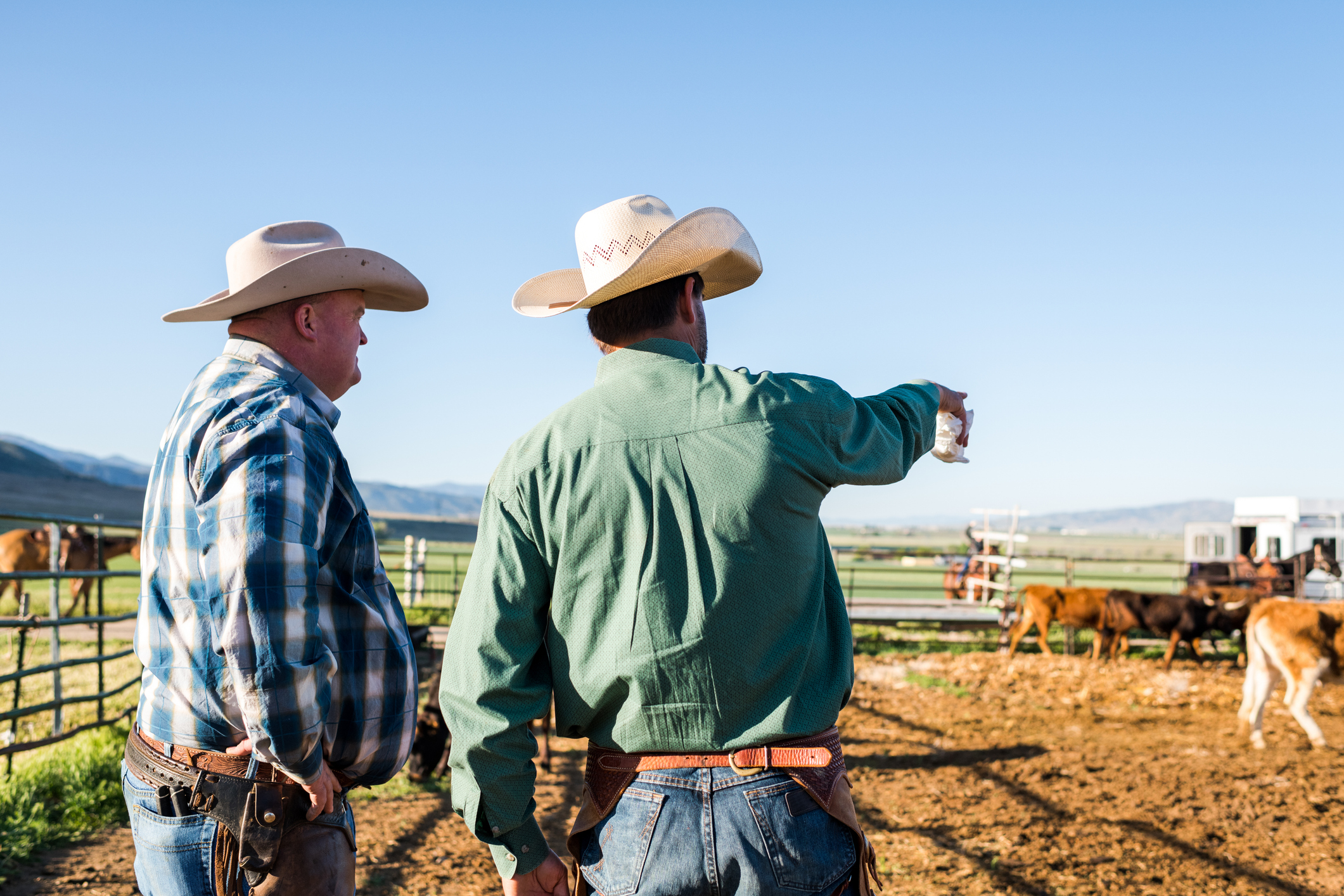
Probate livestock inheritance Texas often involves challenges that go well beyond the transfer of ordinary estate assets. Unlike property that can remain unchanged during probate, livestock require continuous care, ongoing financial support, and day-to-day management while the estate is being administered. Executors may need to balance the immediate needs of a working ranch with their fiduciary responsibilities, ensuring that livestock, equipment, and related agricultural assets are protected until ownership can be transferred according to the will and applicable Texas law.
From an analytical perspective, understanding probate livestock inheritance Texas highlights the importance of thorough estate planning, organized recordkeeping, and careful ranch management. Clear ownership records, updated estate planning documents, and well-defined succession strategies can help reduce uncertainty, minimize disputes among beneficiaries, and preserve the value of the ranch throughout the probate process. Because every ranch differs in size, operation, and ownership structure, each estate requires an individualized evaluation to ensure that livestock and related assets are administered efficiently, responsibly, and in compliance with Texas probate law.