Skip to content
Probate fraud claims often begin quietly—sometimes with a simple question like, “Why does this will look different?”—but probate fraud claims can quickly evolve into complex legal battles that reshape entire estates. What starts as suspicion can turn into litigation involving family members, financial records, and competing versions of the truth. In probate court, fraud is not just a side issue; it can determine who inherits property, who loses it, and whether an entire estate plan collapses.
Imagine a situation that unfolds after a loved one passes away. The family gathers, expecting the estate to be distributed according to long-standing promises. Then someone produces a will no one has seen before. It changes everything. One child receives the house. Another gets nothing. Questions arise. Tension builds. Suddenly, probate fraud claims enter the picture.
These cases are rarely simple. They require courts to examine intent, evidence, and credibility—all while navigating emotional family dynamics.
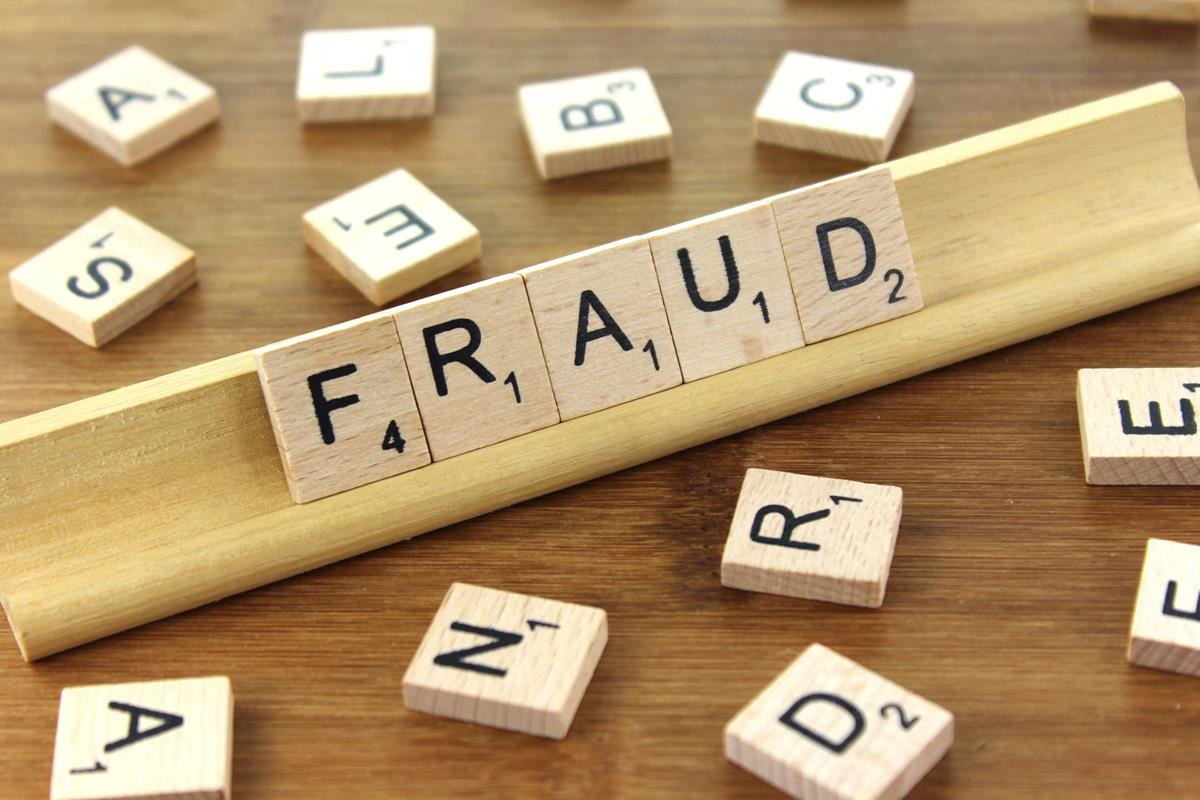
What Are Probate Fraud Claims?
At their core, probate fraud claims involve allegations that someone used deception to gain an unfair advantage in the probate process. This deception may relate to a will, estate assets, or actions taken during administration.
Common types of probate fraud claims include:
- Forged wills or altered documents
- Undue influence over the deceased
- Concealment of assets
- Misrepresentation to the court
- Fraud by executors or administrators
Each type presents different legal challenges. However, they all share a common theme: someone allegedly manipulated the process for personal gain.
Courts treat these claims seriously because probate exists to carry out a person’s true intentions. Fraud undermines that purpose.
Why Probate Fraud Claims Are So Complex
Probate fraud claims are rarely straightforward because the key witness—the person who created the will—is no longer alive. That absence creates a significant evidentiary challenge.
Courts must rely on:
- Documents
- Witness testimony
- Medical records
- Financial transactions
- Expert analysis
At the same time, family members may have conflicting interests. One party benefits from the current estate plan. Another claims it was obtained through fraud.
Because of these competing narratives, probate fraud claims often turn into credibility contests.
Forged Wills and Document Manipulation
One of the most dramatic forms of probate fraud claims involves forged or altered wills.
Picture this scenario.
A man passes away, leaving behind a modest estate. His children expect equal distribution. However, a newly discovered will surfaces, giving nearly everything to a caregiver who entered his life late.
The family questions the authenticity of the document. They file probate fraud claims alleging forgery.
In such cases, courts may examine:
- Signature comparisons
- Handwriting analysis
- Witness testimony
- Document history
Forensic experts often play a key role. Even small inconsistencies—such as ink differences or irregular signatures—can influence the outcome.
Undue Influence: A Subtle Form of Fraud
Not all probate fraud claims involve forged documents. Some involve undue influence, which can be harder to detect.
Undue influence occurs when someone exerts pressure on the deceased to alter their estate plan in a way that benefits the influencer.
This often arises in situations involving:
- Caregivers
- Close relatives
- Individuals with access to the deceased
For example, an elderly individual may become dependent on a caregiver. Over time, that caregiver gains control over daily decisions. Eventually, the will changes significantly in the caregiver’s favor.
In probate fraud claims based on undue influence, courts look for patterns rather than single events.
Factors may include:
- Isolation of the deceased
- Sudden changes to estate plans
- Vulnerability due to illness
- Unusual financial transactions

Executor Misconduct and Fraud
Probate fraud claims are not limited to wills. They can also involve misconduct by executors or administrators.
Executors have a fiduciary duty to act in the best interest of the estate and its beneficiaries. When they violate that duty, fraud claims may arise.
Examples include:
- Hiding assets
- Diverting funds for personal use
- Providing false accountings
- Failing to disclose important information
Imagine an executor who quietly transfers funds from an estate account into a personal account. Months later, beneficiaries notice discrepancies.
That discovery may trigger probate fraud claims against the executor.
Courts take such allegations seriously because executors hold positions of trust.
How Courts Evaluate Probate Fraud Claims
When probate fraud claims reach the courtroom, judges apply specific legal standards.
Typically, the party alleging fraud must prove:
- A false representation or deceptive act
- Intent to deceive
- Reliance on the deception
- Resulting harm
Proving these elements is not easy. Courts require clear and convincing evidence in many fraud cases.
This higher standard reflects the seriousness of overturning estate decisions.
Evidence in Probate Fraud Cases
Evidence plays a central role in probate fraud claims.
Courts may consider:
- Emails and written communications
- Bank records
- Medical evaluations
- Testimony from witnesses
- Expert opinions
For example, medical records may show that the deceased lacked mental capacity when a will was signed. That evidence can support claims of fraud or undue influence.
Similarly, financial records may reveal suspicious transfers that raise red flags.
The Role of Witness Testimony
Witness testimony often becomes a turning point in probate fraud claims.
Witnesses may include:
- Family members
- Friends
- Attorneys who drafted documents
- Medical professionals
Their testimony helps the court reconstruct events leading up to the alleged fraud.
However, credibility matters. Courts evaluate whether witnesses have personal interests in the outcome.
A neutral witness may carry more weight than someone who stands to gain financially.
Real-Life Example of Probate Fraud Claims
Consider a hypothetical situation.
An elderly woman named Helen changes her will shortly before her death. The new document leaves most of her estate to a neighbor who had recently begun assisting her.
Helen’s children file probate fraud claims, alleging undue influence.
During the trial, evidence shows that:
- The neighbor accompanied Helen to legal appointments
- Helen’s health had declined significantly
- The will changed dramatically compared to earlier versions
The court must decide whether the changes reflect Helen’s true wishes or the result of manipulation.
This type of case illustrates how probate fraud claims often hinge on circumstantial evidence.
Remedies Available in Probate Fraud Cases
If a court finds that fraud occurred, several remedies may apply.
These include:
- Invalidating a will
- Removing an executor
- Ordering repayment of misappropriated funds
- Redistributing estate assets
In some cases, courts may revert to a previous valid will. If no valid will exists, the estate may be distributed according to intestacy laws.
These outcomes can significantly alter inheritance expectations.
Challenges in Proving Fraud
Proving probate fraud claims presents several challenges.
First, direct evidence is often limited. Fraud rarely occurs in the open. Instead, it may involve subtle actions over time.
Second, memories fade. Witnesses may struggle to recall details accurately.
Third, family dynamics can complicate testimony. Emotional conflicts may influence how individuals interpret events.
Because of these factors, courts must carefully evaluate all available evidence.
The Role of Attorneys in Probate Fraud Claims
Attorneys play a critical role in both pursuing and defending probate fraud claims.
For claimants, attorneys gather evidence, interview witnesses, and build a narrative showing deception.
For defendants, attorneys challenge the credibility of allegations and present alternative explanations.
Litigation strategy often focuses on:
- Discrediting opposing witnesses
- Highlighting inconsistencies
- Emphasizing lack of direct evidence
Because probate fraud claims can reshape entire estates, legal representation becomes essential.
Preventing Probate Fraud
While courts address fraud after it occurs, prevention is equally important.
Steps that may reduce the risk of probate fraud claims include:
- Creating clear, updated estate plans
- Using reputable attorneys
- Documenting decisions carefully
- Communicating intentions with family members
Transparency can reduce misunderstandings and limit disputes.

Emotional Impact of Probate Fraud Claims
Beyond legal issues, probate fraud claims often carry emotional consequences.
Family members may feel betrayed or suspicious of one another. Long-standing relationships can break down during litigation.
These emotional dynamics sometimes make settlement more difficult.
Courts focus on legal outcomes, but the personal impact of these disputes can last for years.
Analytical Perspective: Why Courts Take Fraud Seriously
From an analytical standpoint, probate fraud claims strike at the heart of the legal system’s role in estate distribution.
Probate courts exist to ensure that a person’s final wishes are respected. Fraud disrupts that goal.
By enforcing strict standards and requiring strong evidence, courts aim to:
- Protect the integrity of estate planning
- Prevent exploitation of vulnerable individuals
- Maintain trust in the legal process
This approach reflects broader legal principles beyond probate law.
The Timeline of a Probate Fraud Case
Probate fraud claims rarely resolve quickly.
The process often includes:
- Filing the claim
- Discovery and evidence gathering
- Depositions
- Expert analysis
- Court hearings or trial
Each stage can take months or even years.
Because of this timeline, parties must prepare for a prolonged legal process.
Settlement vs. Trial
Many probate fraud claims settle before reaching trial.
Settlement may occur when:
- Evidence strongly favors one side
- Litigation costs become too high
- Parties seek to avoid further conflict
However, some cases proceed to trial when disputes cannot be resolved.
Trials provide a formal setting for presenting evidence and obtaining a definitive ruling.
The Future of Probate Fraud Litigation
As technology evolves, probate fraud claims may involve new forms of evidence.
Digital assets, electronic wills, and online financial accounts introduce additional complexity.
Courts may increasingly rely on:
- Digital forensics
- Electronic records
- Data analysis

These developments will shape how fraud is detected and proven in future cases.
Conclusion
Probate fraud claims represent some of the most challenging disputes in estate law. They require courts to untangle complex facts, evaluate conflicting evidence, and determine whether deception altered the course of an estate.
Through careful analysis and strict evidentiary standards, courts aim to protect the integrity of probate proceedings. While fraud can disrupt even the most carefully planned estates, the legal system provides mechanisms to address these allegations and restore fairness.
For families navigating probate, understanding how fraud claims work can make a significant difference in protecting both financial interests and the legacy of a loved one.