Understanding the Probate Process: A Step-by-Step Guide
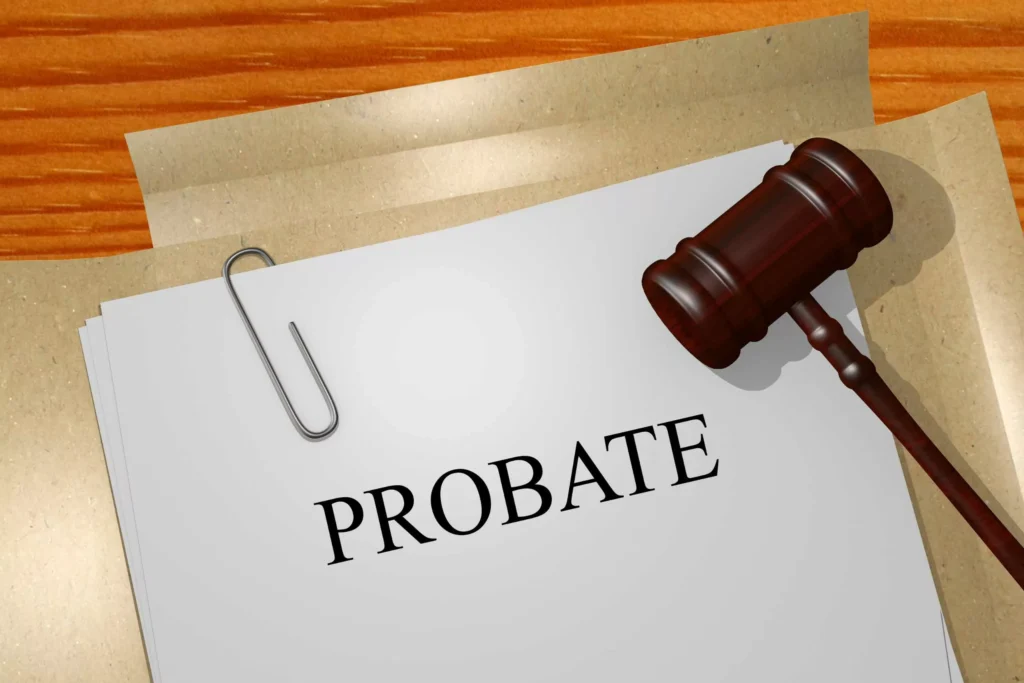
The probate process can often seem daunting for those unfamiliar with its intricacies. This guide aims to break down the steps involved, from filing the will with the court to the final distribution of assets. Understanding each stage can help alleviate some of the stress associated with managing an estate.
Typically, the probate process begins with validating the deceased's will, followed by appointing an executor. This individual is responsible for settling debts, managing assets, and ensuring that heirs receive their rightful inheritance. Knowing what to expect at each stage can empower executors and heirs alike to navigate the process more effectively.
Common Challenges in Probate and How to Overcome Them
Probate can present various challenges, including disputes among heirs, complex estate taxes, and difficulties in asset valuation. Being aware of these potential issues can help families prepare and address them proactively, ensuring a smoother probate process.
For instance, disagreements among family members over the distribution of assets can lead to costly legal battles. Engaging in open communication and possibly seeking mediation can help resolve conflicts amicably. Additionally, consulting with a probate attorney can provide valuable insights into managing tax obligations and asset valuations, ultimately simplifying the process.
The Role of a Probate Attorney: When and Why You Need One
A probate attorney plays a crucial role in guiding families through the legal complexities of the probate process. Their expertise can be invaluable, especially when navigating state-specific laws and regulations that govern probate in Texas.
Hiring a probate attorney is particularly beneficial when dealing with large estates, contested wills, or when the deceased left behind significant debts. They can assist with filing necessary documents, representing the estate in court, and ensuring compliance with all legal requirements, thus alleviating some of the burdens on grieving families.
Alternatives to Traditional Probate: Exploring Your Options
For those seeking to avoid the lengthy probate process, several alternatives exist that can simplify estate management. Options such as living trusts, joint ownership, and beneficiary designations can help bypass probate altogether, allowing for a more efficient transfer of assets.
For example, assets held in a living trust can be distributed directly to beneficiaries without going through probate, saving both time and money. Understanding these alternatives can empower individuals to make informed decisions about their estate planning, ultimately aligning with their wishes for asset distribution.
Understanding the Probate Process: A Step-by-Step Guide
The probate process can often seem daunting for those unfamiliar with its intricacies. This guide aims to break down the steps involved, from filing the will with the court to the final distribution of assets. Understanding each stage can help alleviate some of the stress associated with managing an estate.
Typically, the probate process begins with validating the deceased's will, followed by appointing an executor. This individual is responsible for settling debts, managing assets, and ensuring that heirs receive their rightful inheritance. Knowing what to expect at each stage can empower executors and heirs alike to navigate the process more effectively.
Common Challenges in Probate and How to Overcome Them
Probate can present various challenges, including disputes among heirs, complex estate taxes, and difficulties in asset valuation. Being aware of these potential issues can help families prepare and address them proactively, ensuring a smoother probate process.
For instance, disagreements among family members over the distribution of assets can lead to costly legal battles. Engaging in open communication and possibly seeking mediation can help resolve conflicts amicably. Additionally, consulting with a probate attorney can provide valuable insights into managing tax obligations and asset valuations, ultimately simplifying the process.
The Role of a Probate Attorney: When and Why You Need One
A probate attorney plays a crucial role in guiding families through the legal complexities of the probate process. Their expertise can be invaluable, especially when navigating state-specific laws and regulations that govern probate in Texas.
Hiring a probate attorney is particularly beneficial when dealing with large estates, contested wills, or when the deceased left behind significant debts. They can assist with filing necessary documents, representing the estate in court, and ensuring compliance with all legal requirements, thus alleviating some of the burdens on grieving families.
Alternatives to Traditional Probate: Exploring Your Options
For those seeking to avoid the lengthy probate process, several alternatives exist that can simplify estate management. Options such as living trusts, joint ownership, and beneficiary designations can help bypass probate altogether, allowing for a more efficient transfer of assets.
For example, assets held in a living trust can be distributed directly to beneficiaries without going through probate, saving both time and money. Understanding these alternatives can empower individuals to make informed decisions about their estate planning, ultimately aligning with their wishes for asset distribution.