Understanding the Importance of Property Deeds in Estate Planning
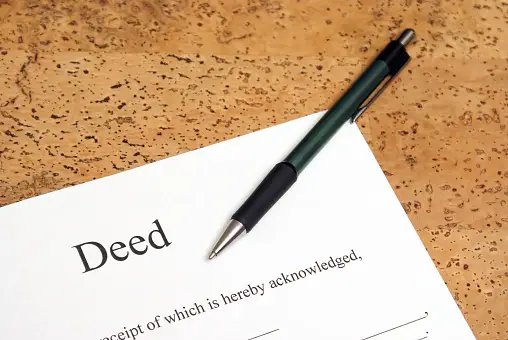
Property deeds play a crucial role in estate planning, as they define the legal ownership of real estate. Understanding the types of deeds and their implications can help individuals make informed decisions about their property, ensuring that it is passed on according to their wishes after death.
For example, a warranty deed guarantees that the grantor holds clear title to the property and has the right to sell it. This is vital in estate planning, as it provides assurance to heirs regarding the legitimacy of their inherited property, thus minimizing potential disputes or legal challenges.
How Property Deeds Affect Property Taxes in Texas
The relationship between property deeds and property taxes is significant, as the type of deed can influence tax liabilities. Understanding this connection can help property owners manage their taxes effectively, especially when transferring ownership.
For instance, a transfer of ownership through a quitclaim deed does not guarantee clear title, which may lead to complications in tax assessments. Property owners should consult with legal experts to understand how different deeds can impact their tax obligations and ensure compliance with Texas tax laws.
Steps to Transfer Property Ownership in Texas
Transferring property ownership in Texas involves several steps that must be carefully followed to ensure a valid transaction. Understanding these steps can help streamline the process and avoid legal issues down the line.
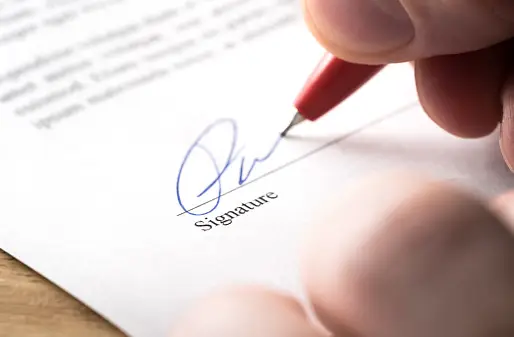
Typically, the process starts with drafting a property deed, which must then be signed by the grantor and notarized. Following this, the deed should be filed with the county clerk’s office to make the transfer public record. This ensures that the new owner’s rights are protected and recognized under Texas law.
Common Mistakes to Avoid When Dealing with Property Deeds
When managing property deeds, individuals often make mistakes that can lead to significant legal and financial repercussions. Being aware of these common pitfalls can help property owners navigate the complexities of real estate transactions more effectively.
One common mistake is failing to properly record a deed after a transfer, which can result in disputes over ownership. Additionally, not fully understanding the implications of different types of deeds can lead to unintended consequences in estate planning, such as tax liabilities or challenges from heirs. Consulting with a legal professional can help mitigate these risks.
Understanding the Importance of Property Deeds in Estate Planning
Property deeds play a crucial role in estate planning, as they define the legal ownership of real estate. Understanding the types of deeds and their implications can help individuals make informed decisions about their property, ensuring that it is passed on according to their wishes after death.
For example, a warranty deed guarantees that the grantor holds clear title to the property and has the right to sell it. This is vital in estate planning, as it provides assurance to heirs regarding the legitimacy of their inherited property, thus minimizing potential disputes or legal challenges.
How Property Deeds Affect Property Taxes in Texas
The relationship between property deeds and property taxes is significant, as the type of deed can influence tax liabilities. Understanding this connection can help property owners manage their taxes effectively, especially when transferring ownership.
For instance, a transfer of ownership through a quitclaim deed does not guarantee clear title, which may lead to complications in tax assessments. Property owners should consult with legal experts to understand how different deeds can impact their tax obligations and ensure compliance with Texas tax laws.
Steps to Transfer Property Ownership in Texas
Transferring property ownership in Texas involves several steps that must be carefully followed to ensure a valid transaction. Understanding these steps can help streamline the process and avoid legal issues down the line.
Typically, the process starts with drafting a property deed, which must then be signed by the grantor and notarized. Following this, the deed should be filed with the county clerk’s office to make the transfer public record. This ensures that the new owner’s rights are protected and recognized under Texas law.
Common Mistakes to Avoid When Dealing with Property Deeds
When managing property deeds, individuals often make mistakes that can lead to significant legal and financial repercussions. Being aware of these common pitfalls can help property owners navigate the complexities of real estate transactions more effectively.
One common mistake is failing to properly record a deed after a transfer, which can result in disputes over ownership. Additionally, not fully understanding the implications of different types of deeds can lead to unintended consequences in estate planning, such as tax liabilities or challenges from heirs. Consulting with a legal professional can help mitigate these risks.