Understanding Asset Valuation in Probate
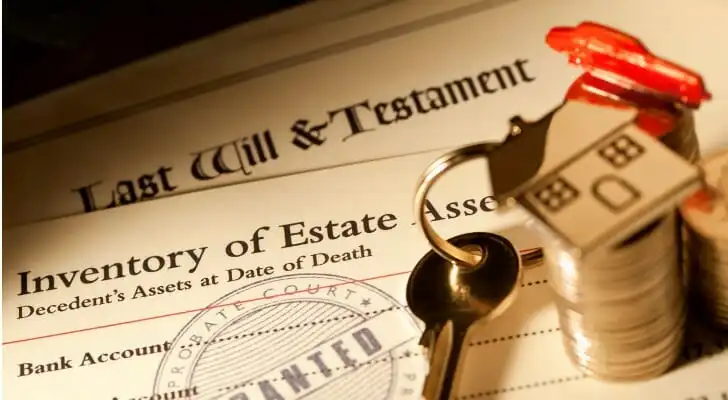
Asset valuation is a critical step in the probate process, as it determines the value of a deceased person's estate. This valuation is essential for ensuring that debts are settled and that heirs receive their fair share of the estate according to the will or state laws.
In Texas, asset valuation can involve various types of property, including real estate, personal belongings, and financial accounts. Engaging a professional appraiser can help establish accurate valuations, which are necessary for tax purposes and for the smooth administration of the estate.
Common Challenges in Asset Valuation
When navigating asset valuation during probate, several challenges may arise, including disputes among heirs and difficulties in appraising certain assets. These challenges can lead to delays in the probate process and may require legal intervention to resolve.
For instance, disagreements over the value of real estate or sentimental items can create tensions among family members. It is often advisable to seek the guidance of an experienced probate attorney to help mediate these disputes and ensure a fair valuation process.
Legal Implications of Inaccurate Asset Valuation
Inaccurate asset valuation can have serious legal implications, including potential tax penalties and disputes among heirs. If the estate is undervalued, it may result in unpaid taxes, while overvaluation could lead to unnecessary financial burdens on the estate.
Moreover, the executor of the estate holds a fiduciary duty to act in the best interests of the beneficiaries. Failure to accurately value assets can expose the executor to legal liability, making it crucial to obtain reliable appraisals and documentation throughout the probate process.
Resources for Navigating Asset Valuation in Texas
There are numerous resources available for individuals looking to understand asset valuation in the context of Texas probate. Local bar associations, estate planning seminars, and online legal forums can provide valuable insights and guidance.
Additionally, consulting with professionals such as estate planners and probate attorneys can help individuals navigate the complexities of asset valuation. These experts can offer tailored advice based on specific circumstances, ensuring compliance with Texas probate laws and regulations.
Understanding Asset Valuation in Probate
Asset valuation is a critical step in the probate process, as it determines the value of a deceased person's estate. This valuation is essential for ensuring that debts are settled and that heirs receive their fair share of the estate according to the will or state laws.
In Texas, asset valuation can involve various types of property, including real estate, personal belongings, and financial accounts. Engaging a professional appraiser can help establish accurate valuations, which are necessary for tax purposes and for the smooth administration of the estate.
Common Challenges in Asset Valuation
When navigating asset valuation during probate, several challenges may arise, including disputes among heirs and difficulties in appraising certain assets. These challenges can lead to delays in the probate process and may require legal intervention to resolve.
For instance, disagreements over the value of real estate or sentimental items can create tensions among family members. It is often advisable to seek the guidance of an experienced probate attorney to help mediate these disputes and ensure a fair valuation process.
Legal Implications of Inaccurate Asset Valuation
Inaccurate asset valuation can have serious legal implications, including potential tax penalties and disputes among heirs. If the estate is undervalued, it may result in unpaid taxes, while overvaluation could lead to unnecessary financial burdens on the estate.
Moreover, the executor of the estate holds a fiduciary duty to act in the best interests of the beneficiaries. Failure to accurately value assets can expose the executor to legal liability, making it crucial to obtain reliable appraisals and documentation throughout the probate process.
Resources for Navigating Asset Valuation in Texas
There are numerous resources available for individuals looking to understand asset valuation in the context of Texas probate. Local bar associations, estate planning seminars, and online legal forums can provide valuable insights and guidance.
Additionally, consulting with professionals such as estate planners and probate attorneys can help individuals navigate the complexities of asset valuation. These experts can offer tailored advice based on specific circumstances, ensuring compliance with Texas probate laws and regulations.