Guidelines for Probate Success start long before you ever step foot in a courtroom. When a loved one dies, the legal process of settling their estate — probate — can feel overwhelming, confusing, and emotional. But with the right preparation, clear direction, and an understanding of what to expect, you can approach probate with confidence rather than anxiety. In this article, we’ll walk you through every major aspect of probate in a way that feels human, practical, and grounded in real experience. From the first steps after a death to the final distribution of assets, these proven guidelines for probate success are designed to help you make informed decisions and avoid common pitfalls.
Probate is not just a paper‑pushing exercise; it’s a journey that affects families financially, emotionally, and legally. People who follow strong guidelines for probate success not only protect the estate’s value but also preserve relationships and reduce stress for everyone involved. Let’s explore how that happens — one step at a time.
What Probate Truly Involves
Understanding the Process
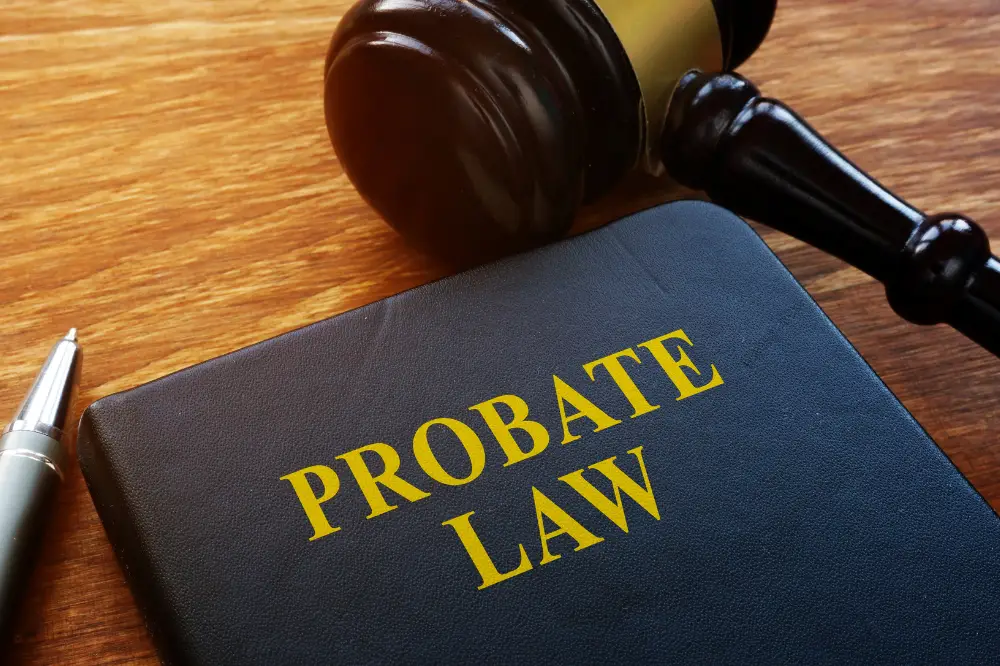
Before you can apply guidelines for probate success, you need a basic grasp of what probate is and why it exists. Probate is the legal procedure used to validate a deceased person’s will (if one exists), manage their debts, and ensure assets are distributed to rightful heirs or beneficiaries under state law. The court oversees this process to protect all parties and make sure legal obligations are met.
This means the executor or personal representative has to:
- File the will with the appropriate probate court
- Notify heirs and creditors
- Inventory the estate’s assets
- Pay taxes and valid debts
- Distribute remaining property to beneficiaries
Probate can vary in complexity depending on the size of the estate, whether a will exists, and how organized the decedent’s affairs were. That’s why having solid guidelines for probate success is essential — they help create order from what can otherwise be chaos.
Start With the Will (If There Is One)
Validating the Most Important Document
One of the core guidelines for probate success is ensuring the decedent’s will is located, authenticated, and filed promptly. The will often contains:
- The decedent’s wishes regarding asset distribution
- The name of the executor or personal representative
- Any desired gifts or charitable bequests
- Instructions for guardianship (if minor children are involved)
In one real‑life example, the Martinez family found their father’s original will tucked away in a safe deposit box. Because they located and filed it quickly, the probate judge was able to validate the document without delay, saving the family months of unnecessary court appearances. On the other hand, when a will can’t be found — or worse, multiple conflicting copies surface — probate can stall and become contentious.
Confirming that the will complies with state law (proper signatures, witnesses, and notarization where required) is an essential step. An invalid will can lead to intestacy — where the state decides how assets are divided — undermining the decedent’s wishes and complicating the probate process. Following thoughtful guidelines for probate success means checking the will carefully before filing.
Choose the Right Executor
Why the Person You Pick Matters
The executor — sometimes called a personal representative — is the person legally responsible for managing probate. Picking the right person here is one of the most impactful guidelines for probate success you can follow.
A good executor should be:
- Trustworthy
- Organized
- Comfortable with financial and legal matters
- Calm under pressure
- Able to communicate clearly with family members
Real experience shows that family dynamics often strain under probate. For example, in one estate, the decedent named her eldest child as executor, but that child lived out of state and struggled to keep up with court deadlines. This delay caused confusion and frustration among siblings. A more effective guideline would have encouraged a local co‑executor or a professional fiduciary to share the duties.
Remember: the executor’s job is not just paperwork — it’s diplomacy, accounting, and sometimes conflict management.
Gather Essential Documents Early
Be Organized From Day One
One of the simplest but most powerful guidelines for probate success is to assemble all relevant documents at the start. This isn’t a task to leave to memory — it requires methodical gathering of paperwork.
Essential probate documents typically include:
- The original will and any codicils
- Death certificate(s)
- Titles and deeds to property
- Bank and retirement account statements
- Insurance policies
- Outstanding tax returns
- Beneficiary designation forms
- Loan and debt records

Consider the story of the Howard family, who spent weeks trying to locate account statements only to find them in an old filing cabinet. Meanwhile, probate deadlines were approaching, and court fees were piling up. An organized estate binder, created before it was needed, would have eliminated this stress. This example highlights why diligence in document preparation is one of the most practical guidelines for probate success.
File the Probate Petition Promptly
Timing Is a Legal and Strategic Concern
An early step in the administrative phase of probate is filing the probate petition with the local probate court — and you want to get this done as soon as possible. Filing late can introduce complications, including:
- Missed deadlines for creditor claims
- Delays in asset access
- Potential court sanctions in rare cases
One family delayed filing because they were unsure of which county court had jurisdiction. Once they lost a critical window for creditor notification, they faced additional hearings and unexpected costs. This underscores how timing, which is at the heart of strong guidelines for probate success, affects the entire probate timeline.
Notify Beneficiaries and Creditors
Transparency Helps Avoid Conflict
Once probate begins, the executor must notify both beneficiaries and known creditors. This legal requirement serves multiple purposes:
- It prevents beneficiaries from being surprised by estate actions
- It gives creditors the opportunity to assert valid claims
- It creates a transparent record of communication
Guidelines for probate success suggest doing this in writing and with documentation, such as certified mail receipts. Clear notices reduce uncertainty and help estate administration proceed without misunderstandings. When families overlook this step, estranged relatives or unexpected creditors can emerge mid‑process, complicating distribution and even leading to court hearings.
Inventory and Appraise Assets Carefully
Protecting the Estate’s Value
Another pillar of guidelines for probate success is the accurate inventory and appraisal of the estate’s assets. This process provides a snapshot of:
- Real estate value
- Financial accounts
- Investment portfolios
- Personal property worth noting (art, collectibles, jewelry)
- Business interests
Failing to inventory all assets can lead to mistakes in tax reporting, unequal distributions, or disputes later. For instance, one estate failed to list a valuable antique collection, and the heirs only discovered it after probate had closed — requiring a costly motion to reopen the case.
Professional appraisers are often used for real estate and unique personal property to ensure fair market values are established. This ensures creditors and beneficiaries alike receive accurate information — a fundamental piece of successful probate administration.
Understand and Pay Debts in the Correct Order
Follow the Legal Hierarchy
Before assets go to beneficiaries, valid debts must be resolved. Some people assume debt is discharged upon death, but that is not how probate works. Debts must be paid in a legally determined order:
- Funeral expenses and probate costs
- Taxes owed by the decedent
- Other verified creditor claims
Paying debts in the correct sequence is one of the most important guidelines for probate success because settling the wrong bill first could expose the executor to liability or require revisiting earlier distributions. Good record‑keeping and careful verification of each claim can prevent costly errors.
Keep Communication Open
Prevent Misunderstandings Before They Arise
People involved in probate are often friends or family members — and that means emotions can run high. One of the most effective guidelines for probate success isn’t strictly legal; it’s interpersonal.
When executors communicate regularly and transparently with beneficiaries about:
- What steps are being taken
- Where the estate stands financially
- When distributions can be expected
…they help reduce anxiety and prevent rumors or resentment.
For example, in one estate, the executor sent monthly updates to beneficiaries, even when there was nothing new to report. That simple act of engagement set expectations and preserved peace among siblings who might otherwise have competed for perceived favoritism.
Address Disputes Constructively
Conflict Happens — Be Prepared
Even when you follow every guideline, disputes can arise. Beneficiaries may contest a will, question appraisals, or disagree about asset distribution. The presence of conflict does not automatically derail probate, but mishandling it can.
Guidelines for probate success in conflict situations include:
- Documenting every decision in writing
- Asking disputing parties to state their concerns formally
- Considering mediation before court action
- Consulting estate attorneys early when disagreements emerge

A family in Austin learned this the hard way when a cousin contested the will shortly after probate began. Instead of ignoring the issue, the executor invited all parties to mediation — resolving the disagreement in weeks rather than months of costly litigation. That scenario exemplifies how practical, relationship‑minded guidelines for probate success can save time, money, and stress.
Track Expenses and Maintain Detailed Records
Why Documentation Matters
Handling finances during probate isn’t just about paying bills — it’s about documenting every transaction. Executors should keep a ledger of:
- Court and attorney fees
- Appraisal and publication costs
- Payments to creditors
- Funds distributed to beneficiaries
These records protect the executor from claims of mismanagement and provide transparency, which aligns with the best guidelines for probate success. Should someone question an expense months later, the executor can reference precise records rather than rely on memory.
Distribute Assets Thoughtfully and Legally
The Final and Most Anticipated Step
Once debts are paid and the court approves the final accounting, it’s time for distribution — arguably the most emotionally charged step in probate. While it might seem simple, following proper guidelines for probate success here is crucial to avoid legal or relational problems.
Distributions must:
- Follow the will exactly (or intestacy laws if no will exists)
- Be documented with signed receipts from beneficiaries
- Be proportional in value, not just sentimental worth
- Account for prior advances or informal gifts, where appropriate
For example, in the Keller family probate case, one sibling disputed that she received less than her brother. The executor produced records showing that she had received a large monetary gift while their father was still alive. This documentation helped prevent further legal challenges and preserved harmony. That kind of clarity and fairness defines what guidelines for probate success aim to achieve.
Prepare the Final Accounting
Your Proof of Performance
Before probate officially ends, the executor must prepare and file a final accounting with the court. This report outlines:
- All assets that came into the estate
- Debts paid and to whom
- Expenses incurred
- Distributions made
The court reviews this report to ensure everything has been handled correctly. Think of it as your “report card” for probate. Following detailed, up-to-date accounting throughout the process makes this final step much easier — which is why many guidelines for probate success emphasize recordkeeping from day one.
Close the Estate Properly
Ending With Confidence and Compliance
The final guideline is to close the estate formally. This typically involves:
- Submitting a petition for final settlement
- Ensuring all taxes are filed and paid
- Obtaining court approval
- Distributing any final assets
- Filing a closing statement or affidavit
Once approved, the executor is officially released from further responsibilities. Failing to properly close the estate could result in lingering liabilities, open-ended obligations, or beneficiary confusion years later.
In the case of the Ramos estate, the executor didn’t submit a closing affidavit, which led to tax notices being sent to the deceased’s address the following year. Avoiding this common misstep is a crucial part of the guidelines for probate success checklist.
Bonus: Tips for Avoiding Probate Altogether
Planning Ahead to Skip the Court Process
Although this article focuses on making probate as smooth as possible, many estate planners recommend taking steps to avoid probate entirely. You can do this by:
- Creating a revocable living trust
- Naming direct beneficiaries on financial accounts
- Establishing joint ownership with right of survivorship
- Using transfer-on-death deeds or payable-on-death accounts
These tools can reduce court involvement, lower costs, and speed up the inheritance process — a powerful strategy for those who want to keep things simple for their heirs. Still, for estates that must go through probate, the guidelines for probate success we’ve covered remain just as essential.

Final Thoughts on Guidelines for Probate Success
Distributing assets is often the most emotionally sensitive phase of probate, requiring strict adherence to the will or state intestacy laws, along with documented receipts and fair value considerations. In the Keller case, proper records clarified a disputed gift, preserving family peace. Before wrapping up probate, executors must file a final accounting that outlines all assets, debts, expenses, and distributions — essentially a report card for the court. Closing the estate formally, through a final petition and affidavit, ensures there are no lingering legal obligations, as shown in the Ramos case where skipping this step led to unexpected tax issues. While probate can be streamlined with preparation and clear communication, many experts suggest avoiding it altogether through tools like living trusts or transfer-on-death deeds. Whether you’re managing an estate or planning your own, following clear guidelines for probate success helps reduce conflict, preserve value, and bring closure to grieving families.