Understanding the Role of Executors in Probate
Executors play a crucial role in the probate process, as they are responsible for managing the deceased's estate, ensuring that debts are settled, and distributing assets according to the will. This role requires a clear understanding of legal obligations and the ability to navigate complex emotional dynamics among beneficiaries.
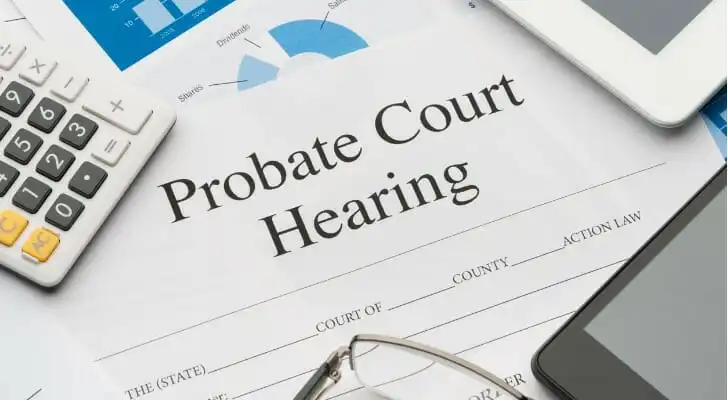
Executors must also file necessary documents with the probate court, manage estate assets, and communicate regularly with beneficiaries. For instance, they may need to provide detailed accountings of estate finances, which can help maintain transparency and minimize disputes among heirs.
Strategies for Contesting a Will Successfully
Contesting a will can be a daunting task, but understanding the legal grounds for doing so is essential. Common reasons include lack of testamentary capacity, undue influence, or improper execution of the will. Each of these grounds requires specific evidence and legal arguments to be successful in court.
For example, demonstrating that the testator lacked the mental capacity to understand the implications of their decisions at the time of signing can involve testimony from medical professionals or witnesses. Additionally, gathering documentation that shows a history of manipulation or coercion can strengthen the case for contesting a will.
Essential Probate Documents You Need to Know
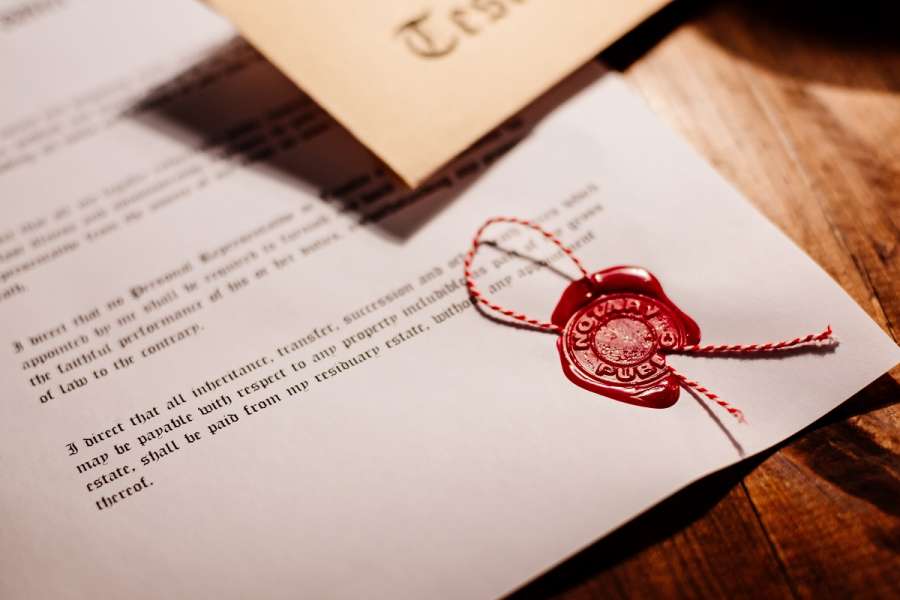
Navigating the probate process requires familiarity with several key documents that are essential for estate administration. These documents include the will, death certificate, and various court forms necessary for initiating probate proceedings.
Additionally, understanding the importance of documents such as inventory lists of estate assets and creditor claims can significantly impact the efficiency and outcome of the probate process. Executors must ensure that all required documents are filed timely to avoid delays and potential legal complications.
Exploring Alternative Dispute Resolution in Probate Cases
Alternative dispute resolution (ADR) methods, such as mediation and arbitration, can be effective in resolving conflicts that arise during the probate process. These methods offer a less adversarial approach compared to traditional litigation, often resulting in faster and more amicable resolutions.
For instance, mediation allows parties to work collaboratively with a neutral third party to reach a mutually acceptable agreement, which can preserve family relationships and reduce the emotional toll of probate disputes. Understanding how to engage in ADR can be a valuable tool for executors and beneficiaries alike.
Understanding the Role of Executors in Probate
Executors play a crucial role in the probate process, as they are responsible for managing the deceased's estate, ensuring that debts are settled, and distributing assets according to the will. This role requires a clear understanding of legal obligations and the ability to navigate complex emotional dynamics among beneficiaries.
Executors must also file necessary documents with the probate court, manage estate assets, and communicate regularly with beneficiaries. For instance, they may need to provide detailed accountings of estate finances, which can help maintain transparency and minimize disputes among heirs.
Strategies for Contesting a Will Successfully
Contesting a will can be a daunting task, but understanding the legal grounds for doing so is essential. Common reasons include lack of testamentary capacity, undue influence, or improper execution of the will. Each of these grounds requires specific evidence and legal arguments to be successful in court.
For example, demonstrating that the testator lacked the mental capacity to understand the implications of their decisions at the time of signing can involve testimony from medical professionals or witnesses. Additionally, gathering documentation that shows a history of manipulation or coercion can strengthen the case for contesting a will.
Essential Probate Documents You Need to Know
Navigating the probate process requires familiarity with several key documents that are essential for estate administration. These documents include the will, death certificate, and various court forms necessary for initiating probate proceedings.
Additionally, understanding the importance of documents such as inventory lists of estate assets and creditor claims can significantly impact the efficiency and outcome of the probate process. Executors must ensure that all required documents are filed timely to avoid delays and potential legal complications.
Exploring Alternative Dispute Resolution in Probate Cases
Alternative dispute resolution (ADR) methods, such as mediation and arbitration, can be effective in resolving conflicts that arise during the probate process. These methods offer a less adversarial approach compared to traditional litigation, often resulting in faster and more amicable resolutions.
For instance, mediation allows parties to work collaboratively with a neutral third party to reach a mutually acceptable agreement, which can preserve family relationships and reduce the emotional toll of probate disputes. Understanding how to engage in ADR can be a valuable tool for executors and beneficiaries alike.