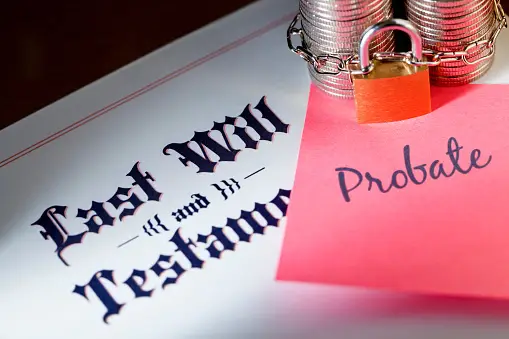
Understanding Probate Procedures
Probate procedures are essential for managing the estate of a deceased person, ensuring that assets are distributed according to their wishes or state laws. This process generally involves validating the will, appointing an executor, and settling any debts or taxes before distributing the remaining assets to beneficiaries.
In Texas, the probate process can vary based on the complexity of the estate. For example, small estates may qualify for simplified procedures, while larger estates may require more extensive court involvement. Understanding these procedures is crucial for heirs and beneficiaries to navigate the legal landscape effectively.
Estate Planning Essentials
Estate planning is a proactive approach to managing your assets and ensuring they are distributed according to your wishes after your passing. It encompasses various legal documents, including wills, trusts, and powers of attorney, which work together to protect your interests and those of your loved ones.
Effective estate planning can also minimize taxes and avoid probate delays. For instance, establishing a living trust allows assets to transfer directly to beneficiaries without going through probate, saving time and money. Consulting with a legal expert can help tailor an estate plan that meets individual needs and circumstances.
Common Probate Myths Debunked
Many misconceptions surround the probate process, leading to confusion and anxiety for those involved. One common myth is that all estates must go through probate, but this is not true; certain assets can bypass probate entirely, such as those held in joint tenancy or assets with designated beneficiaries.
Another myth is that probate is always a lengthy and costly process. While it can be complex, proper planning and legal guidance can streamline the process significantly. Understanding these myths can empower individuals to make informed decisions regarding their estate and help alleviate concerns about probate.
Consulting a Probate Attorney
Engaging a probate attorney can be invaluable for navigating the complexities of the probate process. These legal professionals specialize in estate law and can provide guidance on various aspects, from filing necessary documents to representing clients in court if disputes arise.
A probate attorney can also assist in understanding state-specific laws and regulations, ensuring compliance and protecting the rights of heirs and beneficiaries. Their expertise can help streamline the process and alleviate the burden on families during a challenging time.
Understanding Probate Procedures
Probate procedures are essential for managing the estate of a deceased person, ensuring that assets are distributed according to their wishes or state laws. This process generally involves validating the will, appointing an executor, and settling any debts or taxes before distributing the remaining assets to beneficiaries.
In Texas, the probate process can vary based on the complexity of the estate. For example, small estates may qualify for simplified procedures, while larger estates may require more extensive court involvement. Understanding these procedures is crucial for heirs and beneficiaries to navigate the legal landscape effectively.
Estate Planning Essentials
Estate planning is a proactive approach to managing your assets and ensuring they are distributed according to your wishes after your passing. It encompasses various legal documents, including wills, trusts, and powers of attorney, which work together to protect your interests and those of your loved ones.
Effective estate planning can also minimize taxes and avoid probate delays. For instance, establishing a living trust allows assets to transfer directly to beneficiaries without going through probate, saving time and money. Consulting with a legal expert can help tailor an estate plan that meets individual needs and circumstances.
Common Probate Myths Debunked
Many misconceptions surround the probate process, leading to confusion and anxiety for those involved. One common myth is that all estates must go through probate, but this is not true; certain assets can bypass probate entirely, such as those held in joint tenancy or assets with designated beneficiaries.
Another myth is that probate is always a lengthy and costly process. While it can be complex, proper planning and legal guidance can streamline the process significantly. Understanding these myths can empower individuals to make informed decisions regarding their estate and help alleviate concerns about probate.
Consulting a Probate Attorney
Engaging a probate attorney can be invaluable for navigating the complexities of the probate process. These legal professionals specialize in estate law and can provide guidance on various aspects, from filing necessary documents to representing clients in court if disputes arise.
A probate attorney can also assist in understanding state-specific laws and regulations, ensuring compliance and protecting the rights of heirs and beneficiaries. Their expertise can help streamline the process and alleviate the burden on families during a challenging time.
 Skip to content