Understanding Texas Intestacy Laws
Texas intestacy laws govern the distribution of assets for individuals who pass away without a valid will. These laws ensure that the deceased's estate is divided among heirs according to state regulations, which can vary significantly from other states.
In Texas, the rules of intestacy prioritize spouses, children, and other family members in a specific order. For example, if a person dies leaving a spouse and children, the spouse typically receives one-third of the estate, while the children share the remaining two-thirds. Understanding these laws is crucial for effective estate planning.
Impact of Extreme Weather on Estate Planning
Extreme weather events in Texas, such as hurricanes and floods, can have profound implications for estate planning. It is essential to consider how such events might affect property values and the distribution of assets upon death.
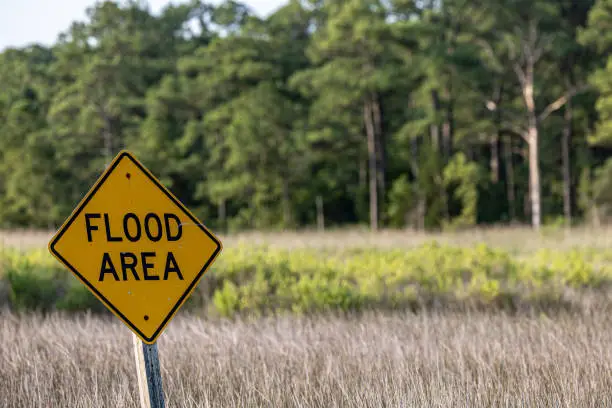
For instance, properties in flood-prone areas may require additional insurance or specific legal considerations in wills and trusts. Additionally, estate planning documents should be regularly reviewed and updated to reflect changes in property values and potential risks associated with climate change.
Legal Considerations for Property Damage Claims
When severe weather causes property damage, understanding the legal avenues for claims is vital. Property owners may need to navigate complex insurance policies and legal requirements to seek compensation for damages.
In Texas, filing a claim often involves documenting the damage, working with insurance adjusters, and potentially engaging legal representation to ensure fair compensation. Legal expertise can be invaluable in maximizing recovery and addressing disputes that may arise during the claims process.
Preparing for Probate in Texas
Probate is the legal process of administering an estate after someone passes away. In Texas, understanding the probate process is essential for ensuring that the deceased's wishes are honored and that assets are distributed correctly.
The probate process involves validating the will, appointing an executor, and settling debts and taxes before distributing the remaining assets to heirs. Engaging a probate attorney can help navigate this complex process, ensuring compliance with Texas law and minimizing potential conflicts among heirs.
Understanding Texas Intestacy Laws
Texas intestacy laws govern the distribution of assets for individuals who pass away without a valid will. These laws ensure that the deceased's estate is divided among heirs according to state regulations, which can vary significantly from other states.
In Texas, the rules of intestacy prioritize spouses, children, and other family members in a specific order. For example, if a person dies leaving a spouse and children, the spouse typically receives one-third of the estate, while the children share the remaining two-thirds. Understanding these laws is crucial for effective estate planning.
Impact of Extreme Weather on Estate Planning
Extreme weather events in Texas, such as hurricanes and floods, can have profound implications for estate planning. It is essential to consider how such events might affect property values and the distribution of assets upon death.
For instance, properties in flood-prone areas may require additional insurance or specific legal considerations in wills and trusts. Additionally, estate planning documents should be regularly reviewed and updated to reflect changes in property values and potential risks associated with climate change.
Legal Considerations for Property Damage Claims
When severe weather causes property damage, understanding the legal avenues for claims is vital. Property owners may need to navigate complex insurance policies and legal requirements to seek compensation for damages.
In Texas, filing a claim often involves documenting the damage, working with insurance adjusters, and potentially engaging legal representation to ensure fair compensation. Legal expertise can be invaluable in maximizing recovery and addressing disputes that may arise during the claims process.
Preparing for Probate in Texas
Probate is the legal process of administering an estate after someone passes away. In Texas, understanding the probate process is essential for ensuring that the deceased's wishes are honored and that assets are distributed correctly.
The probate process involves validating the will, appointing an executor, and settling debts and taxes before distributing the remaining assets to heirs. Engaging a probate attorney can help navigate this complex process, ensuring compliance with Texas law and minimizing potential conflicts among heirs.