Understanding the Probate Process in Texas
The probate process in Texas is a legal procedure that involves validating a deceased person's will and distributing their assets. This process is essential for ensuring that the decedent's wishes are honored and that assets are transferred to the rightful heirs.
In Texas, the probate process can vary significantly depending on whether the deceased left a will or died intestate (without a will). Key steps include filing the will with the probate court, notifying heirs and creditors, and ultimately distributing the estate's assets. Understanding these steps can help alleviate confusion during a challenging time.
Challenges of Probate in Special Flood Hazard Areas
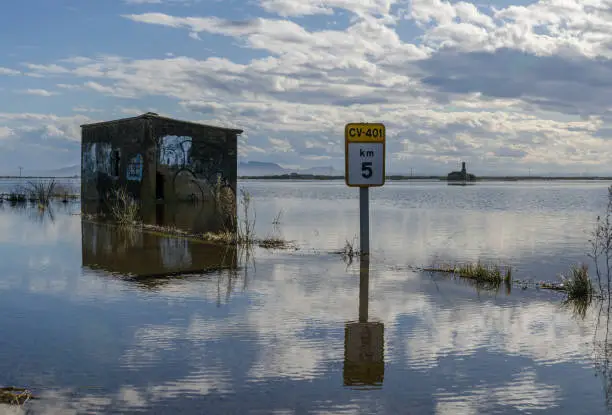
Probate cases involving properties in special flood hazard areas can present unique challenges for executors and heirs. These properties may be subject to specific regulations and insurance requirements that complicate the probate process.
For instance, properties located in flood zones often require flood insurance, and this can impact the valuation of the estate. Executors must navigate these complexities to ensure compliance with local laws while also protecting the interests of the heirs.
Probate Alternatives in Texas
In some cases, individuals may seek alternatives to traditional probate to expedite the transfer of assets and reduce associated costs. Options such as small estate affidavits or establishing living trusts can provide viable alternatives.
For example, under Texas law, if the total value of the estate is below a certain threshold, heirs may use a small estate affidavit to bypass formal probate. This streamlines the process and allows for quicker access to assets, which can be particularly beneficial in the case of properties in special flood hazard areas.
Executor Responsibilities in Texas Probate Cases
The role of the executor in a Texas probate case is crucial, as they are responsible for managing the estate's affairs and ensuring that the probate process is carried out according to the law. This includes gathering assets, paying debts, and distributing property to heirs.
Executors must also be aware of specific duties, such as filing necessary documents with the court and adhering to timelines set by Texas probate law. Understanding these responsibilities can help executors fulfill their role effectively and avoid potential legal issues.