Common Misconceptions About Probate in Texas
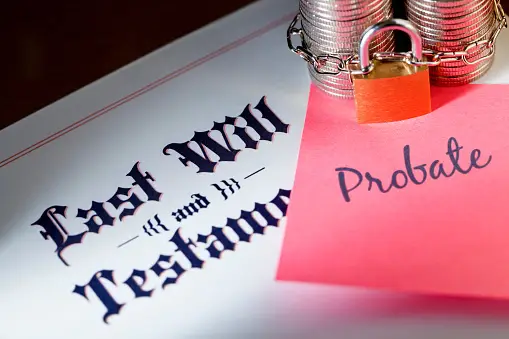
Many individuals hold misconceptions about the probate process, often fearing it to be a lengthy and complicated ordeal. In reality, while probate can involve certain complexities, understanding the process can alleviate much of the anxiety associated with it. Common myths include the belief that all assets must go through probate or that probate is always a public affair.
For example, not all assets are subject to probate; non-probate assets such as joint accounts or assets held in a trust can bypass this process entirely. Additionally, while probate proceedings are generally public, there are ways to keep certain aspects private, particularly through the use of trusts and other estate planning tools.
The Role of an Executor in the Probate Process
The executor plays a crucial role in the probate process, serving as the individual responsible for managing the deceased's estate. This includes tasks such as gathering assets, paying debts, and distributing the remaining property to beneficiaries according to the will. Understanding the responsibilities and legal obligations of an executor is vital for those considering this role.
Executors must adhere to fiduciary duties, meaning they are legally bound to act in the best interests of the estate and its beneficiaries. This can involve navigating complex legal requirements and ensuring compliance with Texas probate laws, which may require the assistance of an experienced probate attorney to avoid potential pitfalls.
Strategies for Minimizing Probate Costs
Probate can incur various costs, including court fees, attorney fees, and other administrative expenses. However, there are strategies that individuals can employ to minimize these costs and streamline the process. Effective estate planning is key to reducing the financial burden associated with probate.
One common strategy is to establish a living trust, which allows assets to be transferred outside of probate, thus avoiding associated costs altogether. Additionally, ensuring that all estate documents are up-to-date and clearly articulated can help prevent disputes among heirs, which may lead to costly legal battles during probate proceedings.
Understanding the Texas Probate Court System
The Texas probate court system is designed to handle matters related to the administration of estates, including wills, guardianships, and the distribution of assets. Understanding how this system operates can help individuals navigate the complexities of probate with greater ease. Each county in Texas has its own probate court, which may have specific rules and procedures.
Familiarity with the local court's requirements, such as filing deadlines and necessary documentation, is essential for a smooth probate process. Additionally, knowing the differences between independent and dependent administration can empower executors and beneficiaries to make informed decisions about how best to manage the estate.
Common Misconceptions About Probate in Texas
Many individuals hold misconceptions about the probate process, often fearing it to be a lengthy and complicated ordeal. In reality, while probate can involve certain complexities, understanding the process can alleviate much of the anxiety associated with it. Common myths include the belief that all assets must go through probate or that probate is always a public affair.
For example, not all assets are subject to probate; non-probate assets such as joint accounts or assets held in a trust can bypass this process entirely. Additionally, while probate proceedings are generally public, there are ways to keep certain aspects private, particularly through the use of trusts and other estate planning tools.
The Role of an Executor in the Probate Process
The executor plays a crucial role in the probate process, serving as the individual responsible for managing the deceased's estate. This includes tasks such as gathering assets, paying debts, and distributing the remaining property to beneficiaries according to the will. Understanding the responsibilities and legal obligations of an executor is vital for those considering this role.
Executors must adhere to fiduciary duties, meaning they are legally bound to act in the best interests of the estate and its beneficiaries. This can involve navigating complex legal requirements and ensuring compliance with Texas probate laws, which may require the assistance of an experienced probate attorney to avoid potential pitfalls.
Strategies for Minimizing Probate Costs
Probate can incur various costs, including court fees, attorney fees, and other administrative expenses. However, there are strategies that individuals can employ to minimize these costs and streamline the process. Effective estate planning is key to reducing the financial burden associated with probate.
One common strategy is to establish a living trust, which allows assets to be transferred outside of probate, thus avoiding associated costs altogether. Additionally, ensuring that all estate documents are up-to-date and clearly articulated can help prevent disputes among heirs, which may lead to costly legal battles during probate proceedings.
Understanding the Texas Probate Court System
The Texas probate court system is designed to handle matters related to the administration of estates, including wills, guardianships, and the distribution of assets. Understanding how this system operates can help individuals navigate the complexities of probate with greater ease. Each county in Texas has its own probate court, which may have specific rules and procedures.
Familiarity with the local court's requirements, such as filing deadlines and necessary documentation, is essential for a smooth probate process. Additionally, knowing the differences between independent and dependent administration can empower executors and beneficiaries to make informed decisions about how best to manage the estate.
 Skip to content