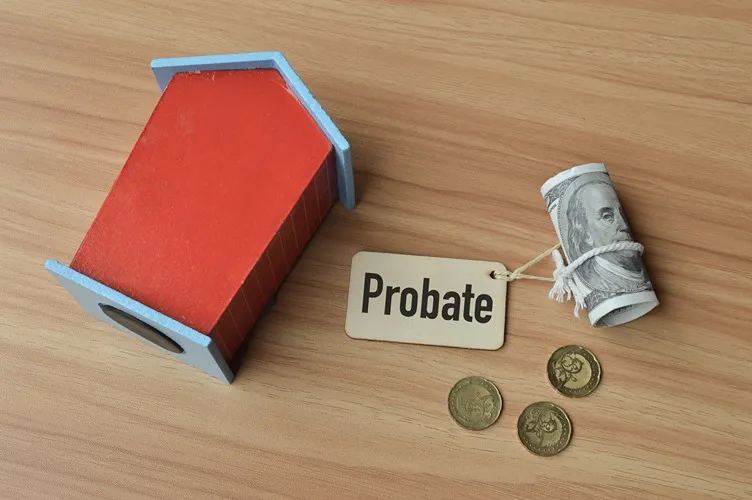
Understanding Probate Costs in Texas
Probate costs in Texas can vary widely depending on several factors, including the size of the estate, the complexity of the will, and the specific needs of the heirs. It's essential to understand these costs to manage expectations and budget accordingly. Common expenses include court fees, attorney fees, and costs associated with appraising estate assets.
For example, court fees can range from a few hundred to several thousand dollars, depending on the estate's value and the complexity of the probate process. Additionally, attorney fees may be charged hourly or as a percentage of the estate's value, making it crucial to consult with a qualified probate attorney to get a clear estimate of potential costs.
Common Mistakes to Avoid in the Probate Process
Many individuals navigating the probate process for the first time make common mistakes that can lead to increased costs and complications. One significant error is failing to communicate effectively with all heirs, which can result in disputes and delays. It's important to keep everyone informed and involved throughout the process.
Another mistake is not properly documenting all expenses and transactions related to the estate. Keeping thorough records can help prevent misunderstandings and provide clarity during court proceedings, ultimately saving time and money in the long run.
Alternatives to Traditional Probate in Texas
In Texas, there are several alternatives to traditional probate that can help streamline the process and potentially reduce costs. For instance, small estates may qualify for a simplified probate process, known as a small estate affidavit, which can be quicker and less expensive.
Additionally, establishing a living trust can allow assets to bypass probate altogether, ensuring a smoother transition for beneficiaries. Understanding these alternatives can help individuals make informed decisions about estate planning and management.
Tips for Minimizing Probate Expenses
Minimizing probate expenses is a crucial consideration for anyone involved in the probate process. One effective strategy is to plan ahead by creating a comprehensive estate plan that outlines your wishes and designates beneficiaries clearly. This can help reduce confusion and disputes, ultimately lowering legal fees.
Additionally, seeking the guidance of an experienced probate attorney early in the process can prevent costly mistakes. They can provide valuable insights into the probate process, helping to navigate potential challenges efficiently and effectively.
Understanding Probate Costs in Texas
Probate costs in Texas can vary widely depending on several factors, including the size of the estate, the complexity of the will, and the specific needs of the heirs. It's essential to understand these costs to manage expectations and budget accordingly. Common expenses include court fees, attorney fees, and costs associated with appraising estate assets.
For example, court fees can range from a few hundred to several thousand dollars, depending on the estate's value and the complexity of the probate process. Additionally, attorney fees may be charged hourly or as a percentage of the estate's value, making it crucial to consult with a qualified probate attorney to get a clear estimate of potential costs.
Common Mistakes to Avoid in the Probate Process
Many individuals navigating the probate process for the first time make common mistakes that can lead to increased costs and complications. One significant error is failing to communicate effectively with all heirs, which can result in disputes and delays. It's important to keep everyone informed and involved throughout the process.
Another mistake is not properly documenting all expenses and transactions related to the estate. Keeping thorough records can help prevent misunderstandings and provide clarity during court proceedings, ultimately saving time and money in the long run.
Alternatives to Traditional Probate in Texas
In Texas, there are several alternatives to traditional probate that can help streamline the process and potentially reduce costs. For instance, small estates may qualify for a simplified probate process, known as a small estate affidavit, which can be quicker and less expensive.
Additionally, establishing a living trust can allow assets to bypass probate altogether, ensuring a smoother transition for beneficiaries. Understanding these alternatives can help individuals make informed decisions about estate planning and management.
Tips for Minimizing Probate Expenses
Minimizing probate expenses is a crucial consideration for anyone involved in the probate process. One effective strategy is to plan ahead by creating a comprehensive estate plan that outlines your wishes and designates beneficiaries clearly. This can help reduce confusion and disputes, ultimately lowering legal fees.
Additionally, seeking the guidance of an experienced probate attorney early in the process can prevent costly mistakes. They can provide valuable insights into the probate process, helping to navigate potential challenges efficiently and effectively.
 Skip to content