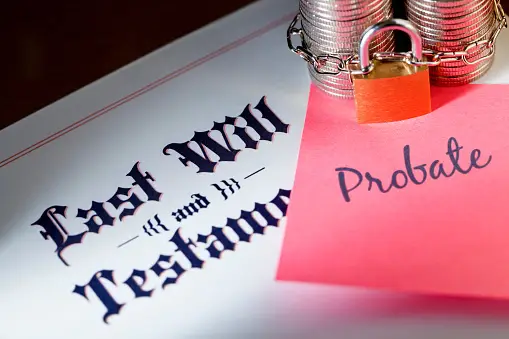
Understanding the Role of Executors in Probate
The executor plays a crucial role in the probate process, acting as the representative of the deceased's estate. This individual is responsible for managing the estate's assets, settling debts, and ensuring that the distribution of assets aligns with the wishes outlined in the will or, in cases of intestacy, state law.
Executors must navigate various legal obligations, including filing necessary court documents, notifying beneficiaries, and handling tax matters. Their duties may also involve appraising estate assets and managing any disputes that arise among heirs, making it essential for executors to understand their responsibilities fully.
Common Challenges in Probate and How to Overcome Them
Probate can present numerous challenges, from disputes among beneficiaries to complications arising from unclear wills. These issues can delay the probate process and create additional stress for families already grieving a loss.
To mitigate these challenges, it is advisable to engage with a knowledgeable probate attorney who can provide guidance and facilitate communication among parties. Establishing clear documentation and open lines of communication can help prevent misunderstandings and conflicts during the probate process.
Alternatives to Traditional Probate: What You Need to Know
For some individuals, traditional probate can be a lengthy and costly process. Fortunately, there are alternatives available, such as living trusts and small estate affidavits, which can simplify the transfer of assets after death.
Utilizing these alternatives can expedite the distribution of assets and reduce legal fees. Understanding the specific requirements and benefits of each option is crucial for effective estate planning and ensuring that your wishes are honored without unnecessary delays.
The Importance of Updating Your Will Regularly
Keeping your will updated is essential to reflect your current wishes, especially after significant life events such as marriage, divorce, or the birth of a child. An outdated will can lead to unintended consequences and disputes among heirs.
Regularly reviewing and updating your will ensures that it aligns with your current circumstances and intentions. Consulting with a legal professional can provide insight into necessary updates and help you navigate any changes in the law that may affect your estate plan.
Understanding the Role of Executors in Probate
The executor plays a crucial role in the probate process, acting as the representative of the deceased's estate. This individual is responsible for managing the estate's assets, settling debts, and ensuring that the distribution of assets aligns with the wishes outlined in the will or, in cases of intestacy, state law.
Executors must navigate various legal obligations, including filing necessary court documents, notifying beneficiaries, and handling tax matters. Their duties may also involve appraising estate assets and managing any disputes that arise among heirs, making it essential for executors to understand their responsibilities fully.
Common Challenges in Probate and How to Overcome Them
Probate can present numerous challenges, from disputes among beneficiaries to complications arising from unclear wills. These issues can delay the probate process and create additional stress for families already grieving a loss.
To mitigate these challenges, it is advisable to engage with a knowledgeable probate attorney who can provide guidance and facilitate communication among parties. Establishing clear documentation and open lines of communication can help prevent misunderstandings and conflicts during the probate process.
Alternatives to Traditional Probate: What You Need to Know
For some individuals, traditional probate can be a lengthy and costly process. Fortunately, there are alternatives available, such as living trusts and small estate affidavits, which can simplify the transfer of assets after death.
Utilizing these alternatives can expedite the distribution of assets and reduce legal fees. Understanding the specific requirements and benefits of each option is crucial for effective estate planning and ensuring that your wishes are honored without unnecessary delays.
The Importance of Updating Your Will Regularly
Keeping your will updated is essential to reflect your current wishes, especially after significant life events such as marriage, divorce, or the birth of a child. An outdated will can lead to unintended consequences and disputes among heirs.
Regularly reviewing and updating your will ensures that it aligns with your current circumstances and intentions. Consulting with a legal professional can provide insight into necessary updates and help you navigate any changes in the law that may affect your estate plan.
 Skip to content