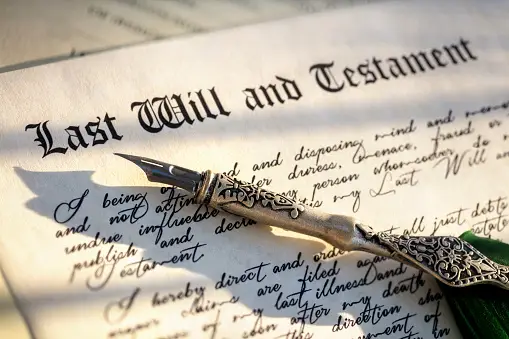
Essential Guidelines for a Smooth and Successful Probate Process
Understanding the probate process is crucial for ensuring that the estate of a deceased individual is settled efficiently and according to their wishes. By familiarizing yourself with the necessary steps and legal requirements, you can help mitigate potential disputes among heirs and streamline the administration of the estate.
Key guidelines include ensuring all debts and taxes are settled before distributing assets, maintaining clear communication with beneficiaries, and keeping accurate records throughout the process. Utilizing resources such as probate checklists can also aid in navigating this complex legal landscape effectively.
How to Create a Living Trust in Texas: A Practical Guide for Families
A living trust is an essential estate planning tool that allows individuals to manage their assets during their lifetime and specify their wishes after death. Unlike a will, a living trust can help avoid the probate process, making it a popular choice for many Texans looking to simplify the transfer of their estate.
Creating a living trust involves several steps, including drafting the trust document, transferring assets into the trust, and appointing a trustee. It’s important to consult with an estate planning attorney to ensure that the trust complies with Texas laws and meets your specific needs.
Exploring Trusts vs. Probate Court: Key Advantages and Disadvantages You Should Know
When considering estate planning options, understanding the differences between trusts and the probate court process is essential. Trusts can provide greater control over asset distribution and privacy, while probate court may be necessary for validating wills and settling disputes.
For example, trusts typically avoid the lengthy probate process, allowing beneficiaries to receive their inheritance more quickly. However, setting up a trust can involve upfront costs and requires careful planning to ensure all assets are properly transferred. Weighing these factors can help individuals make informed decisions about their estate planning strategies.
Executor of a Will Duties: A Practical Guide to Texas Estate Administration
The role of an executor is critical in managing the estate of a deceased person. In Texas, the executor is responsible for ensuring that the decedent's wishes are honored, debts are settled, and assets are distributed according to the will.
Key duties include filing the will with the probate court, notifying beneficiaries, managing estate assets, and preparing necessary tax filings. Executors should be aware of their legal obligations and may benefit from seeking legal advice to navigate complex issues that may arise during the estate administration process.