When you find yourself resolving beneficiary disputes in probate, you’re stepping into a situation that can strain not only financial interests but emotional bonds as well. Probate is hard enough without disagreements over who gets what, and the process of untangling those disputes can feel overwhelming if you don’t know what to expect. In this guide, we’ll walk you through practical steps and realistic strategies for resolving beneficiary disputes in probate with clarity, compassion, and confidence. Drawing on real stories and legal insights, this article breaks down the often complex subject of inheritance conflicts into approachable, actionable pieces you can use today.
Let’s be clear up front: beneficiary disputes are among the most common challenges in probate court. They come in many forms — siblings fighting over sentimental items, children from different marriages questioning a parent’s intentions, misunderstandings about wills or trusts, or outright allegations of undue influence. Whatever the trigger, disputes over who should inherit can turn the probate timeline into a prolonged, contentious battle. This guide aims to make sense of that turmoil, offering you both legal context and human perspective.

What Causes Beneficiary Disputes in Probate?
When Expectations and Legal Documents Don’t Align
One of the earliest lessons families learn about probate is that resolving beneficiary disputes in probate often starts with expectations. People grow up with unwritten assumptions about how assets will be divided — a beloved home goes to the oldest child, certain heirlooms “belong” to specific relatives, or a lifelong partner “should” receive certain belongings. When a will or trust document doesn’t match those expectations, conflict can erupt.
Some common reasons disputes arise include:
- A will that seems outdated or unclear
- Beneficiaries who feel left out or unfairly treated
- Confusion over trust vs. will provisions
- Allegations that the decedent was coerced or lacked capacity
- Family dynamics that resurface under stress
Every one of these scenarios sets the stage for resolving beneficiary disputes in probate, and recognizing the root cause is the first step toward resolution.
Legal Foundations: What Probate Law Says
Understanding the Rules That Govern Inheritance
To resolve any conflict, you first have to understand the legal framework you’re working within. Probate law varies somewhat by state, but the basic principles are similar: a decedent’s valid will controls asset distribution; if no valid will exists, intestacy rules dictate who inherits; and the probate court oversees the distribution to ensure it complies with legal requirements.
In contexts where you’re resolving beneficiary disputes in probate, the court often looks at:
- The validity of the will or trust
- Whether the document meets legal standards (proper signatures, witnesses, etc.)
- Evidence of the decedent’s capacity and intent at the time the document was signed
- Any competing documents or amendments
The probate judge doesn’t decide what’s “fair” in a moral sense; the judge applies the law to whatever documents or lack thereof exists. Understanding that distinction helps families shift from emotional reactions to legally grounded conversations about how to resolve disputes.
How Beneficiary Disputes Typically Unfold
From Miscommunication to Court Filings
Most beneficiary disputes start quietly — a text message, a raised eyebrow at a family gathering, a whispered concern that “Mom wouldn’t have wanted it this way.” If these early tensions aren’t addressed, they can escalate.
Here’s one way disputes often evolve:
- Initial confusion or hurt feelings
A beneficiary searches a will and doesn’t find the inheritance they expected. - Questions and informal challenges
Family members begin asking for explanations or documentation. - Formal objections filed in probate court
When informal conversations don’t resolve concerns, an heir or interested party may file a formal objection or caveat. - Evidence gathering begins
Legal representatives start gathering medical records, depositions, and other documentation. - Court hearings or trial
In contested cases, a probate judge may hold hearings to weigh testimony and evidence.
Understanding these stages helps you anticipate how disputes can progress and what strategies work at each phase of resolving beneficiary disputes in probate.
Strategy 1: Open Communication Early
Starting Conversations Before They Turn Into Conflicts
One of the most underutilized strategies for resolving beneficiary disputes in probate is simple — talking early and openly. While emotions run high after a loved one’s death, delaying honest dialogue can allow resentment to grow.
Families that commit to intentional communication often follow these steps:
- Gather all heirs and interested parties for a frank discussion
- Share copies of the will or trust documents with everyone
- Invite questions and clarify legal language in plain terms
- Appoint a neutral family member or mediator to guide conversations

In many situations, heirs discover that misunderstandings, not malicious intent, fueled their concerns. By addressing these misunderstandings early, you can dramatically shorten the timeline for resolving beneficiary disputes in probate, and sometimes avoid court altogether.
One Texas family, for example, held a family meeting the week after probate began. What started as tension over who received the family cabin quickly turned into a honest conversation about memories, responsibilities, and future plans. With a mediator’s help, they worked out a shared usage agreement that satisfied everyone — and never returned to court.
Strategy 2: Use Mediation Before Litigation
Why Mediation Works Better Than You Expect
Mediation is a structured negotiation process involving a neutral third party. When beneficiaries disagree, a mediator can help clarify issues, explore interests, and guide parties toward a mutually acceptable solution.
Mediation is particularly effective in resolving beneficiary disputes in probate because:
- It’s less adversarial than courtroom litigation
- It preserves family relationships better
- It’s faster and usually cheaper than trial
- Mediators help translate legal language into understandable terms
Here’s how a typical mediation process works:
- Each side meets with the mediator individually
- The mediator outlines the issues and common ground
- Parties explore options and propose solutions
- The mediator helps formalize an agreement
- The agreement can be submitted to the probate court for approval
Many families who mediated reported that the process helped them feel heard and understood, even if they didn’t fully get everything they wanted. That collaborative spirit is a core part of resolving beneficiary disputes in probate and often leads to more sustainable outcomes.
Strategy 3: Challenge the Will or Trust When Necessary
When Documents Don’t Reflect True Intent
While mediation and communication are ideal first steps, they aren’t always enough. Some disputes hinge on questions about the authenticity or validity of a will or trust document. In those cases, legal challenges may be appropriate.
Grounds for legally challenging a will or trust often include:
- Lack of testamentary capacity: Arguing the decedent didn’t understand what they were signing
- Undue influence: Claiming someone coerced the decedent into changing beneficiaries
- Fraud or forgery: Asserting the document was faked or altered illegally
- Improper execution: Showing the document doesn’t meet state legal requirements
These challenges must be supported with evidence — medical records, witness testimony, expert opinions — and they must be filed by a party with legal standing.
Contest cases are the hardest part of resolving beneficiary disputes in probate because they require attorneys, formal hearings, and can take months or even years to resolve. However, when a document really doesn’t reflect a decedent’s true intent, contesting it can be both appropriate and necessary.
Strategy 4: Seek Professional Legal Advice Early
Why Support Matters
One of the biggest mistakes families make when resolving beneficiary disputes in probate is waiting too long to get professional advice. An experienced probate attorney can:
- Explain state‑specific laws and timelines
- Help interpret complex estate documents
- Identify the strength of your legal position
- Guide you through negotiations and court procedures
Even if you think you can manage the situation informally, an attorney’s perspective often prevents costly missteps. For example, some disputes that seem like simple misunderstandings are actually rooted in legal technicalities — like differences between community property and separate property — that only a lawyer would spot early.
An attorney also helps protect your rights if the dispute escalates toward litigation. This kind of early guidance often accelerates resolving beneficiary disputes in probate and can save time, money, and relationships in the long run.
Strategy 5: Document Everything You Can
Paper Trails Protect Your Interests
When disagreements arise, nothing matters more than evidence. Keeping thorough documentation is immensely helpful, whether you’re mediating, negotiating, or going to court. Important records include:
- Copies of all wills, trusts, and codicils
- Email and text communications about the estate
- Financial records of estate assets and debts
- Notes from family conversations about the decedent’s intentions
- Witness statements and medical records
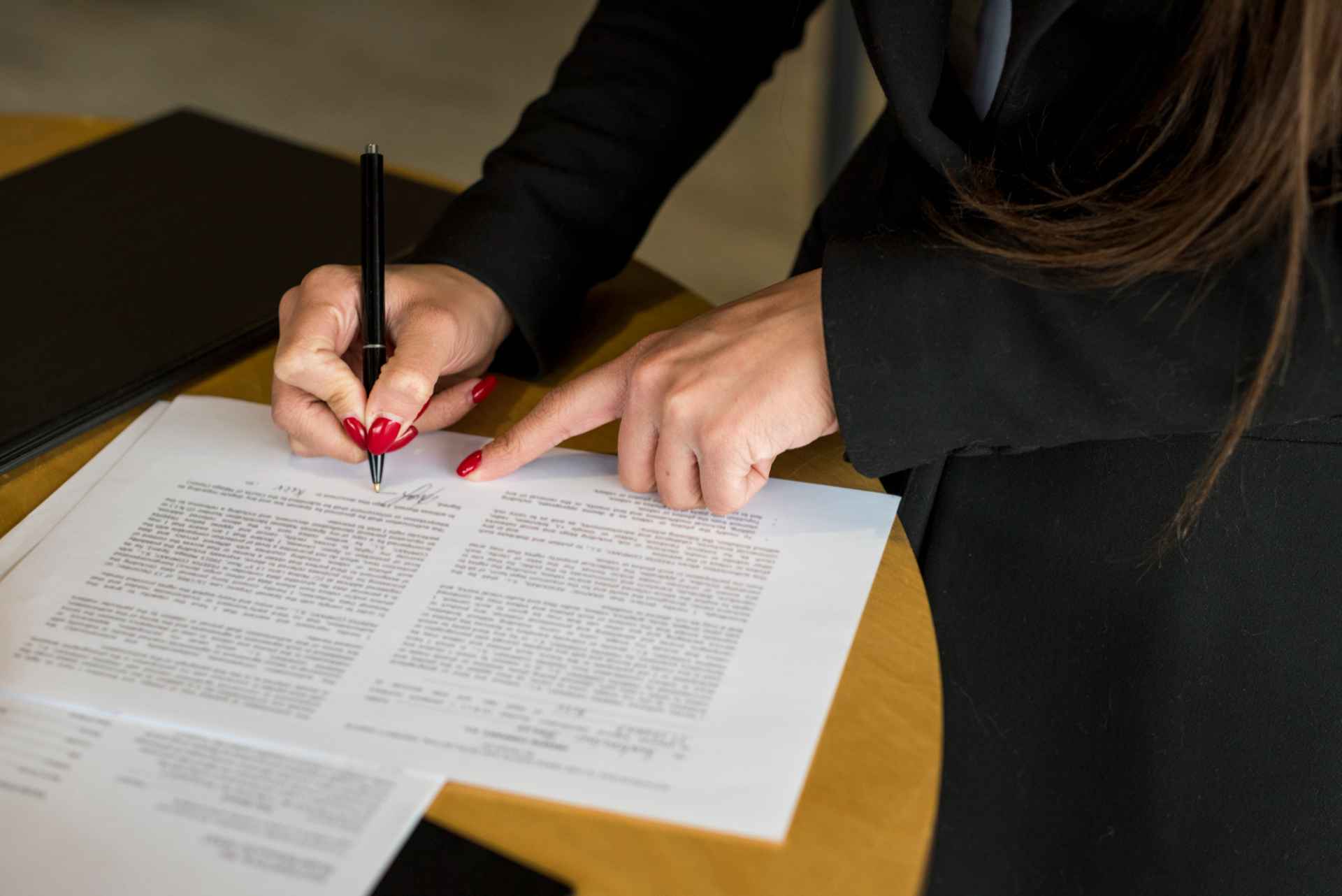
Documentation helps clarify intentions and prevents “he said, she said” scenarios that fuel disputes. A well‑organized paper trail often tips the balance in favor of a fair and swift resolution, making it a crucial part of resolving beneficiary disputes in probate.
Strategy 6: Don’t Ignore Emotional and Family Dynamics
People Are More Than Legal Entities
While this article focuses on legal strategy, we can’t ignore the emotional fabric of probate disputes. Grief, unresolved family tensions, and long‑standing rivalries often play a major role in beneficiary disagreements.
Here are a few human‑centered practices that support legal efforts:
- Encourage empathy and active listening
- Acknowledge feelings without escalating conflict
- Seek counseling for family members who struggle emotionally
- Separate the person from the argument
Legal solutions won’t fix every emotional wound, but integrating emotional intelligence with legal strategy helps make resolving beneficiary disputes in probate more humane and less divisive.
Strategy 7: Understand Statutes of Limitations
Don’t Wait Too Long to Act
Every state sets deadlines for contesting wills, filing objections, and appealing probate decisions. These deadlines — often known as statutes of limitations — vary widely. If you miss one, you may lose the legal right to challenge a document or action altogether.
Some common timelines you need to know when resolving beneficiary disputes in probate include:
- Time to file a will contest after probate is opened
- Time to request an accounting or audit of estate administration
- Time to appeal a probate court decision
These deadlines are not flexible, so early action and solid understanding of timelines is essential.
When to Take a Case to Trial
Balancing Cost, Time, and Stakes
Most people want to avoid a full probate trial, and with good reason. Trials are expensive, emotionally taxing, and unpredictable. But in some situations, trial becomes the most effective way of resolving beneficiary disputes in probate:
- When legal rights are clearly violated
- When mediation fails and settlement discussions break down
- When evidence of undue influence, fraud, or lack of capacity is strong
- When significant assets or relationships are at stake
If your attorney believes a trial gives you the best chance of a favorable outcome, it’s worth weighing the pros and cons carefully. Sometimes, the very act of preparing for trial encourages the other side to negotiate more seriously.
Real‑World Example: A Family’s Turnaround
How a Dispute Became a Resolution
In a small Texas community, the Thompson family faced a classic probate dispute: two siblings believed their late father’s handwritten codicil — not the typed will — reflected his true wishes. They disagreed fiercely, and initial conversations devolved into months of tension.
Instead of diving immediately into litigation, both sides agreed to mediation. With a neutral facilitator, they reviewed the decedent’s medical records, spoke with the attorney who drafted the original will, and shared personal stories about the father’s intentions.
Through that process, the siblings found common ground and agreed to honor the typed will with a few clarified terms that satisfied both. They also established a family fund in their father’s name to honor his legacy.
This is the kind of human‑centered resolution that makes resolving beneficiary disputes in probate not just a legal exercise but a chance to preserve relationships.
Preventing Disputes Before They Start
Planning Ahead Pays Off
The best way to handle probate disputes is often to prevent them in the first place. Some proactive steps include:
- Updating wills and trusts regularly
- Having honest conversations with heirs about estate plans
- Using clear, unambiguous language in documents
- Appointing a professional fiduciary if family dynamics are tense
- Including a letter of instruction explaining intentions
These practices reduce confusion and tension, making the probate process smoother and minimizing the need for resolving beneficiary disputes in probate.

Final Thoughts on Resolving Beneficiary Disputes in Probate
Resolving beneficiary disputes in probate is often as much about understanding people as it is about understanding the law. From communication and mediation to legal challenges and emotional intelligence, the strategies in this guide address the full spectrum of what families encounter when inheritance conflicts emerge.
Whether you’re just beginning the probate process or you’re in the midst of a contentious dispute, remember this: clarity, preparation, empathy, and legal guidance are your strongest tools. With them, you can move from conflict toward resolution, preserving both fairness and family ties.