Understanding what is necessary for probate in Texas is one of the most important steps for families dealing with the death of a loved one. This process may sound bureaucratic, even intimidating—but it’s actually a manageable and vital legal step that ensures a deceased person’s assets are distributed properly. Whether you’re an executor, spouse, or adult child, navigating the probate process doesn’t have to feel like wandering through a legal labyrinth. This guide breaks it down, step by step, with real-life examples, helpful insights, and clear explanations.
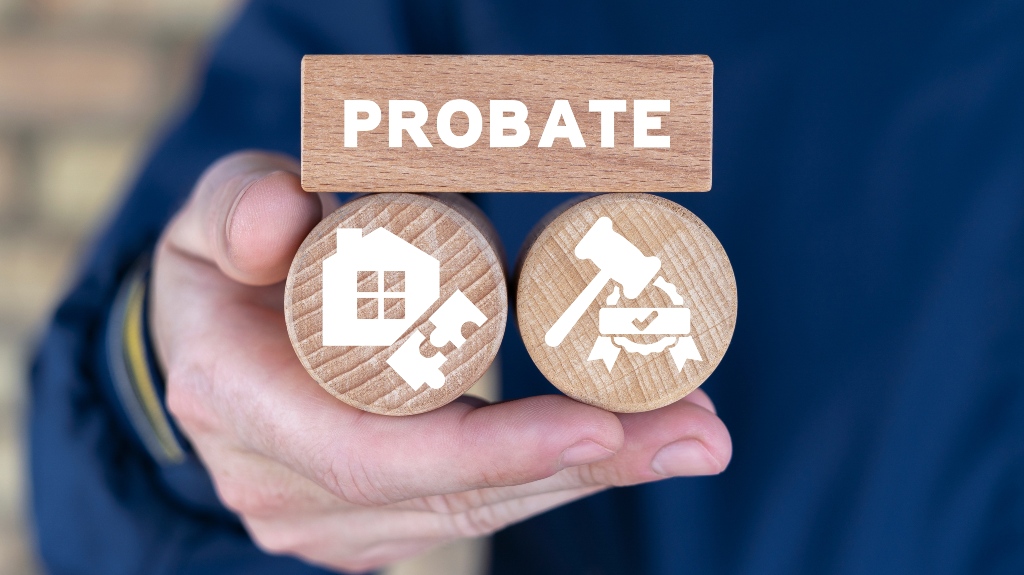
What Is Probate, and Why Does Texas Require It?
Before diving into what is necessary for probate in Texas, let’s first clear up what probate actually means. Probate is the legal procedure where the court recognizes a person’s death and authorizes the management and distribution of their estate.
In Texas, probate is necessary when:
- The deceased had assets titled solely in their name
- A valid last will and testament needs to be proven
- There are disputes over inheritance or no clear legal beneficiaries
- Certain property, like real estate or bank accounts, needs formal transfer of ownership
Here’s the catch: not everything has to go through probate. Assets with named beneficiaries, like life insurance or retirement accounts, usually skip the process. But if you’re dealing with a home, vehicles, or personal belongings with no joint ownership or payable-on-death designation, you’ll need probate.
What Is Necessary for Probate in Texas: First Things First
The Death Certificate: Your Legal Starting Point
To begin probate in Texas, the first document you’ll absolutely need is the official death certificate. This record serves as formal proof of the decedent’s passing and is required to:
- File for probate in court
- Notify financial institutions
- Transfer title to property
- Handle insurance claims
Usually, the funeral home assists with ordering multiple certified copies. You’ll want at least 5 to 10 copies. Texas probate courts often require one, but banks, mortgage companies, and the IRS also ask for it. Without this key document, the rest of the process halts before it even starts.
Locating and Validating the Will
The next piece of the puzzle in understanding what is necessary for probate in Texas is locating the last will and testament. Ideally, it will be:
- Signed by the decedent
- Dated and clear in intent
- Witnessed by two people over 14 years of age
If the will is self-proving—meaning it includes notarized affidavits from the witnesses—it can be accepted by the court without additional testimony. That saves time and reduces legal costs. However, if the will isn’t self-proving, one or both witnesses may need to testify in probate court about the authenticity of the document.
Filing the Probate Application
Once you’ve secured the death certificate and the will, the next step is to file an application for probate in the county where the deceased resided at the time of death.
What is necessary for probate in Texas at this stage?
- A completed probate application (Texas courts usually provide forms)
- A certified copy of the death certificate
- The original will
- Contact information for beneficiaries and heirs
This begins the formal legal process. The court will assign a hearing date—usually within 10 to 30 days—giving time for any interested parties to contest the application.
Court Hearings and Proving the Will
The Probate Hearing
On the scheduled date, the executor (also called the personal representative) must appear in court. During this short hearing, the judge:
- Reviews the application
- Confirms the will’s validity
- Formally appoints the executor
Once that’s done, the court issues Letters Testamentary—a legal document granting the executor authority to act on behalf of the estate.
This letter is gold. It’s what you’ll use to:
- Access bank accounts
- Sell property
- Pay off debts
- Distribute assets to heirs

Understanding what is necessary for probate in Texas means realizing just how critical these court-issued documents are.
When There’s No Will: Intestate Probate
What if there’s no will? In that case, the estate is considered intestate. The court will follow Texas intestate succession laws, distributing assets according to a formula:
- Spouse and children get specific shares
- If no spouse or children, assets go to parents, siblings, or other relatives
In intestate cases, the court appoints an administrator instead of an executor. While the probate steps are similar, there’s often more paperwork, more delay, and less clarity.
Gathering and Inventorying the Estate
What the Executor Must Do Next
Now that you’ve filed probate and been appointed by the court, what is necessary for probate in Texas during the next phase? The executor must create a detailed inventory, appraisement, and list of claims—also known as the estate inventory.
This includes:
- Real estate(homes, land)
- Vehicles
- Bank accounts
- Investments
- Personal belongings
- Debts and liabilities
This inventory must be filed with the court—typically within 90 days of appointment. In some cases, the executor may also need to notify secured creditors and publish a notice to unsecured creditors in a local newspaper.
If you’re wondering what is necessary for probate in Texas to satisfy creditors, this step is non-negotiable. Texas law requires giving proper notice and an opportunity for creditors to submit claims.
Paying Debts and Resolving Disputes
Handling Estate Liabilities
An executor can’t just start giving out money or property. First, they must:
- Pay outstanding debts
- Settle taxes
- Resolve any legal claims against the estate
This often includes:
- Final medical bills
- Funeral costs
- Credit card balances
- IRS income taxes or estate taxes (if applicable)
Understanding what is necessary for probate in Texas includes prioritizing debts correctly. For example, funeral expenses often take precedence over unsecured credit card bills.
Family Disputes and Will Contests
Unfortunately, probate can bring out the worst in families. Siblings argue. Heirs feel slighted. Someone may challenge the validity of the will.
What is necessary for probate in Texas when a will is contested?
- Evidence that the testator was of sound mind
- Proof that the will was signed voluntarily
- Legal representation to defend or challenge the document
If the court finds the will invalid, it can be thrown out, and the estate will be probated as if no will existed. This emphasizes why a well-drafted, self-proving will is a must.
Distributing the Assets
Final Accounting and Distributions
Once debts are paid and the court approves the inventory, the executor can distribute the estate. But it doesn’t happen in a handshake over the kitchen table.
Instead, executors often must:
- Submit a final accounting to the court
- Detail all expenses, assets, and proposed distributions
- Request approval for asset transfers
Only after receiving that approval can assets like homes, cars, or investment accounts be formally transferred.
If beneficiaries receive their shares without a clear record, disputes may arise later. That’s why keeping receipts, bank statements, and signed release forms is part of what is necessary for probate in Texas.
When Can You Avoid Probate in Texas?
Not every estate goes through probate. Here’s when you may be able to skip it:
Small Estate Affidavit
If the value of the estate is $75,000 or less (not counting exempt property like a home or vehicle), heirs can file a small estate affidavit instead. This bypasses the need for full probate.
Requirements:
- No will exists
- The estate meets the $75,000 limit
- All heirs agree on the distribution
This form is quicker, cheaper, and easier—but it won’t work if there’s a will or if complex assets are involved.
Affidavit of Heirship
If the decedent owned real estate but no probate is filed, you can sometimes use an affidavit of heirship. This document is signed by two disinterested witnesses and filed in the county deed records.
It’s often used when families want to sell inherited property without going through probate.
Transfer on Death Deeds and Payable on Death Accounts
What is necessary for probate in Texas when assets are already designated for transfer?
Not much! Assets with TOD (Transfer on Death) or POD (Payable on Death) beneficiaries pass directly to the named person. These tools reduce probate costs and simplify estate planning.
Real-Life Example: Lisa’s Story
Lisa’s father passed away in Travis County. She found his will in the desk drawer—thankfully, it was self-proving and named her as executor. She ordered 10 death certificates, filed an application in probate court, and attended the hearing 3 weeks later.
Lisa used her Letters Testamentary to collect his bank account funds, sell his truck, and pay off medical debt. She filed the estate inventory within 60 days and handled all creditor notices. After the final accounting, the judge approved distributions. Six months after her father’s passing, the process was complete.
Her preparation—gathering documents early, understanding what is necessary for probate in Texas, and working with an attorney—made all the difference.
Common Mistakes to Avoid
Waiting Too Long to File
Texas has a 4-year statute of limitations on filing a will for probate. If you wait too long, the court may treat the estate as if no will exists.
Not Getting Enough Death Certificates
You’ll need several certified copies. Order extras—courts, banks, and insurance companies rarely accept photocopies.
Skipping Legal Advice
Probate isn’t always DIY-friendly. One misstep could cost thousands or delay distributions for months. An experienced probate attorney is often essential—especially when dealing with contested wills or large estates.

More Than Forms: Navigating the Probate Process in Texas
At its core, what is necessary for probate in Texas isn’t just about filing forms. It’s about honoring someone’s final wishes, protecting family assets, and following state law to the letter.
From the death certificate and will to the court hearing and final distribution, every step plays a role. By preparing in advance—knowing which documents to collect, when to act, and who to contact—you can make a hard time just a little easier for everyone involved.
Whether you’re starting probate now or just planning ahead, remember: probate isn’t a punishment. It’s a pathway toward peace, clarity, and legal closure.