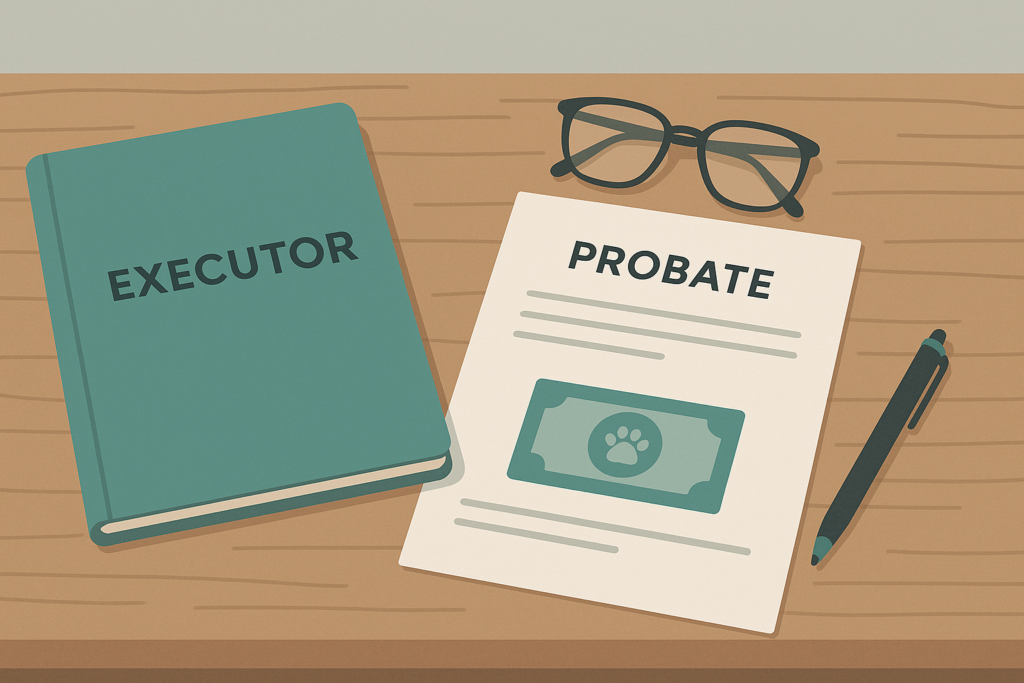
Understanding the Probate Process in Texas: A Step-by-Step Guide
The probate process in Texas can seem overwhelming, but understanding its steps can simplify your experience. From filing the application to distributing assets, each phase has specific requirements that must be met to ensure a smooth transition of the deceased's estate.
In Texas, the probate process typically begins with filing an application in the appropriate court. Following this, the court will validate the will, appoint an executor, and oversee the administration of the estate. It’s crucial to adhere to deadlines and ensure all necessary documents are submitted to avoid delays.
Common Mistakes to Avoid During Probate in Texas
Many individuals encounter pitfalls during the probate process that can lead to complications or delays. Understanding these common mistakes can help you navigate probate more effectively and ensure that the estate is settled in a timely manner.
Some frequent errors include failing to notify all interested parties, not keeping accurate records of estate transactions, and neglecting to adhere to Texas probate laws. By being aware of these issues, individuals can take proactive steps to avoid them, leading to a smoother probate experience.
The Role of an Executor in Texas Probate
The executor plays a vital role in the probate process, acting as the representative of the deceased's estate. This individual is responsible for managing the estate's affairs, ensuring that debts are settled, and assets are distributed according to the will.
In Texas, the executor must be appointed by the court and is legally obligated to act in the best interests of the estate. This includes filing necessary paperwork, communicating with beneficiaries, and handling any disputes that may arise. Understanding these responsibilities is essential for anyone considering serving in this capacity.
What to Expect During a Texas Probate Hearing
Probate hearings are a critical component of the probate process in Texas, where the court reviews the will and hears any objections. Knowing what to expect during these hearings can alleviate anxiety and help you prepare effectively.