Home » Blog
At the Law Office of Bryan Fagan, our team of licensed attorneys collectively boasts an impressive 100+ years of combined experience in Family Law, Criminal Law, and Estate Planning. This extensive expertise has been cultivated over decades of dedicated legal practice, allowing us to offer our clients a deep well of knowledge and a nuanced understanding of the intricacies within these domains.
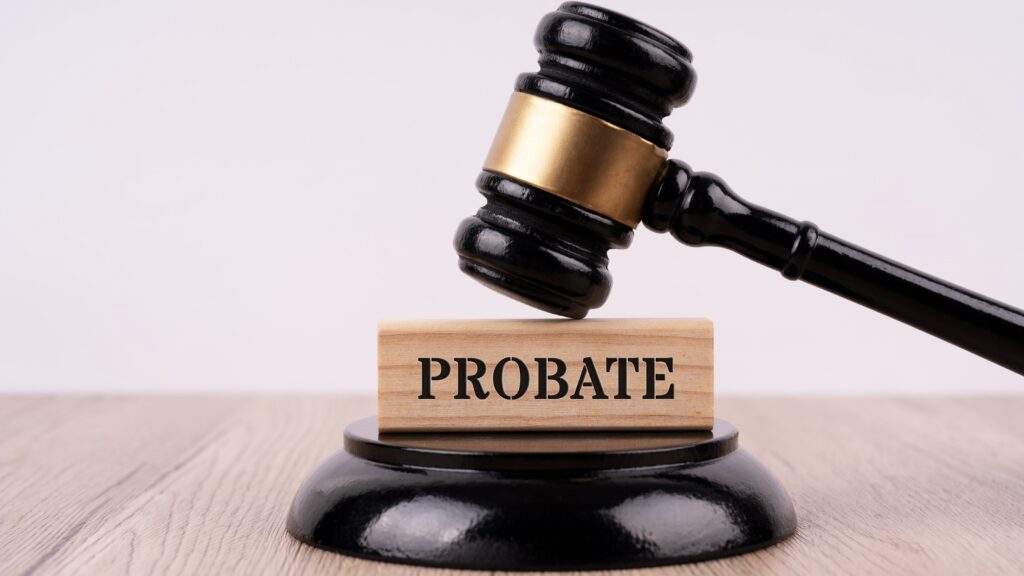
The probate process in Texas can be complex, involving several steps that must be followed to ensure a deceased person's estate is properly managed and distributed. Understanding how probate works is crucial for heirs and executors, as it determines how assets are transferred and debts are settled.
In Texas, the probate process typically begins with filing an application for probate in the appropriate court, followed by a hearing to validate the will, if one exists. It's essential to gather all necessary documentation, including the death certificate and any existing wills, to facilitate a smoother process. Knowledge of these steps can help individuals navigate the often confusing legal landscape surrounding probate.
Probate cases in Texas can present various challenges, including disputes among heirs, contested wills, and issues with asset valuation. These challenges can complicate the probate process and lead to delays, making it essential for individuals involved to be prepared for potential conflicts.
For instance, disagreements may arise if multiple wills are presented or if heirs believe the will does not reflect the deceased's true intentions. Additionally, the valuation of assets such as real estate or personal property can lead to disputes. Understanding these common challenges can help individuals seek appropriate legal guidance to mitigate conflicts during the probate process.
Effective estate planning is crucial for ensuring that your wishes are honored after your passing and that your loved ones are taken care of. In Texas, estate planning involves more than just drafting a will; it includes various legal documents that can help manage your assets and healthcare decisions.
Key components of an estate plan may include a durable power of attorney, a healthcare proxy, and trusts to manage assets. Consulting with an experienced probate attorney can provide valuable insights into the best strategies for estate planning, tailored to individual circumstances and family dynamics, ensuring a smoother transition for heirs.
Inheriting debt can be a daunting experience for many individuals in Texas, as it raises questions about responsibility and the management of inherited assets. Understanding how debt is handled in the probate process is essential for heirs to navigate their financial obligations effectively.
In Texas, heirs are generally not responsible for the deceased's debts unless they were co-signers or joint account holders. However, the estate itself is responsible for settling debts before any distributions are made to heirs. This means that understanding the financial landscape of the estate can help heirs manage their expectations and obligations when inheriting assets.
The probate process in Texas can be complex, involving several steps that must be followed to ensure a deceased person's estate is properly managed and distributed. Understanding how probate works is crucial for heirs and executors, as it determines how assets are transferred and debts are settled.
In Texas, the probate process typically begins with filing an application for probate in the appropriate court, followed by a hearing to validate the will, if one exists. It's essential to gather all necessary documentation, including the death certificate and any existing wills, to facilitate a smoother process. Knowledge of these steps can help individuals navigate the often confusing legal landscape surrounding probate.
Probate cases in Texas can present various challenges, including disputes among heirs, contested wills, and issues with asset valuation. These challenges can complicate the probate process and lead to delays, making it essential for individuals involved to be prepared for potential conflicts.
For instance, disagreements may arise if multiple wills are presented or if heirs believe the will does not reflect the deceased's true intentions. Additionally, the valuation of assets such as real estate or personal property can lead to disputes. Understanding these common challenges can help individuals seek appropriate legal guidance to mitigate conflicts during the probate process.
Effective estate planning is crucial for ensuring that your wishes are honored after your passing and that your loved ones are taken care of. In Texas, estate planning involves more than just drafting a will; it includes various legal documents that can help manage your assets and healthcare decisions.
Key components of an estate plan may include a durable power of attorney, a healthcare proxy, and trusts to manage assets. Consulting with an experienced probate attorney can provide valuable insights into the best strategies for estate planning, tailored to individual circumstances and family dynamics, ensuring a smoother transition for heirs.
Inheriting debt can be a daunting experience for many individuals in Texas, as it raises questions about responsibility and the management of inherited assets. Understanding how debt is handled in the probate process is essential for heirs to navigate their financial obligations effectively.
In Texas, heirs are generally not responsible for the deceased's debts unless they were co-signers or joint account holders. However, the estate itself is responsible for settling debts before any distributions are made to heirs. This means that understanding the financial landscape of the estate can help heirs manage their expectations and obligations when inheriting assets.